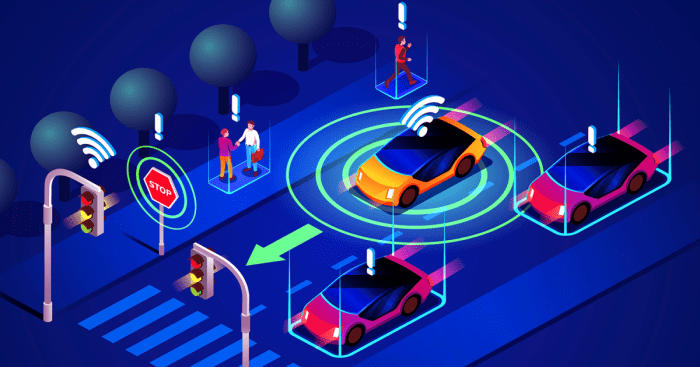
Connected Car Technology is transforming the way we drive, offering a seamless integration of vehicles with the digital world. Imagine your car not just as a mode of transport but as an intelligent assistant that enhances safety, convenience, and connectivity. From real-time traffic updates to automated driving features, the evolution of this technology opens up a world of possibilities that make our journeys smoother and safer.
This technology harnesses various components like sensors, software, and data communication, enabling vehicles to interact not just with each other but also with infrastructure and the surrounding environment. Over the years, we’ve seen significant advancements, making our cars smarter and more responsive to the needs of drivers and passengers alike.
Introduction to Connected Car Technology
Connected car technology refers to vehicles that are equipped with internet access and the ability to communicate with other devices, including other vehicles and infrastructure. This technology plays a crucial role in modern transportation, enhancing safety, improving efficiency, and providing convenience to drivers and passengers. As cars become more integrated into the digital world, their capabilities expand beyond mere transportation, leading to a redefined driving experience.Connectivity in vehicles is achieved through a combination of hardware and software components.
Central to this is the use of embedded systems that allow cars to connect to mobile networks. These systems rely on various communication protocols such as 4G LTE, 5G, and Wi-Fi to facilitate real-time data sharing. Additionally, vehicles can be equipped with sensors and onboard diagnostic tools that gather information about the car’s performance and surroundings, further enhancing connectivity.
Evolution of Connected Car Technology
The evolution of connected car technology can be traced back several decades, showcasing significant advancements that have transformed the automotive landscape. Initially, vehicles featured basic telematics systems that provided GPS navigation and emergency services. Over the years, these systems have become increasingly sophisticated, leading to the following key developments:
- Early telematics systems offered basic location tracking and emergency intervention, paving the way for more integrated technologies.
- The introduction of infotainment systems allowed for entertainment and information access, enhancing the user experience.
- Advent of Vehicle-to-Everything (V2X) communication technology enabled vehicles to interact with traffic lights, road signs, and even other vehicles, enhancing safety and traffic management.
- Current trends focus on fully autonomous vehicles, which rely heavily on connected technologies to navigate complex environments safely.
As connected car technology continues to progress, it promises not only to improve driving experiences but also to revolutionize urban mobility and traffic management. The integration of advanced driver assistance systems (ADAS) further exemplifies this trend, where vehicles can leverage data to assist in navigation, parking, and collision avoidance.
Connected cars represent a major shift in how we perceive transportation, merging digital advancements with everyday driving.
Components of Connected Car Technology
Connected car technology is an intricate system that relies on various components working together to deliver enhanced vehicle performance, safety, and convenience. Understanding these components is crucial for grasping how connected vehicles operate in today’s digital age.The functionality of connected cars hinges on a blend of advanced technologies. Let’s dive into the essential components that enable these vehicles to stay connected and communicate with their environment.
Key Components Enabling Connected Car Functionality
Several key components form the backbone of connected car technology, making it possible for vehicles to exchange data and communicate efficiently. These include:
- Sensors: These devices gather real-time data about the vehicle’s surroundings, including obstacles, weather conditions, and road signs. Common types of sensors include radar, LIDAR, cameras, and GPS. They play a pivotal role in enabling features like adaptive cruise control and automatic emergency braking.
- Software: The software orchestrates the functionality of the various systems within the vehicle. This includes operating systems that manage vehicle operations, applications that provide services like navigation, and machine learning algorithms that enhance driver assistance systems. Software updates are crucial for maintaining security and performance, often delivered over-the-air.
- Data Communication Modules: These modules facilitate the transmission of data between the vehicle and external networks. They use technologies like cellular networks (4G/5G), Wi-Fi, and Bluetooth to connect the car to the internet, cloud services, and other vehicles, ensuring seamless communication.
Role of Sensors, Software, and Data Communication
The integration of sensors, software, and data communication creates a comprehensive ecosystem for connected cars. Sensors continuously monitor the vehicle’s environment, while software processes this data to enable intelligent decision-making. Data communication ensures that all systems, whether inside the vehicle or communicating with external networks, remain interconnected.For instance, a connected car can utilize real-time traffic data transmitted via its data communication module to optimize its route using its onboard navigation software.
This ability to adapt dynamically to real-world conditions enhances both safety and efficiency.
Importance of Vehicle-to-Everything (V2X) Communication
Vehicle-to-everything (V2X) communication is a cornerstone of connected car technology, enabling vehicles to interact not just with each other but also with infrastructure, pedestrians, and the cloud. This communication can dramatically improve road safety and traffic management.The significance of V2X communication includes:
- Safety Enhancements: V2X allows vehicles to send and receive critical information about road conditions, traffic signals, and potential hazards. For example, a vehicle approaching a traffic light can receive alerts about upcoming red lights or accidents ahead, allowing it to react proactively.
- Traffic Efficiency: By sharing information with traffic management systems, vehicles can help optimize traffic flow. This can lead to reduced congestion and shorter travel times, making commutes smoother for everyone on the road.
- Environmental Benefits: V2X communication can facilitate eco-driving strategies by optimizing routes and driving patterns, leading to reduced fuel consumption and emissions.
Benefits of Connected Car Technology
Connected car technology offers a multitude of benefits that transform both the driving experience and the automotive landscape. By integrating advanced connectivity features, connected cars provide enhanced safety, convenience, and efficiency for consumers while also presenting significant advantages for manufacturers and the automotive industry as a whole. This synergy not only enriches the consumer experience but also fosters innovation and growth within the industry.
Advantages for Consumers
The benefits of connected car technology are particularly profound for drivers and passengers. These advantages include improved safety features, access to real-time information, and enhanced convenience, all of which contribute to a smoother and more enjoyable driving experience.
- Enhanced Safety: Connected cars are equipped with systems that allow for vehicle-to-vehicle (V2V) and vehicle-to-infrastructure (V2I) communication. These systems can alert drivers of potential hazards, reducing the likelihood of accidents. For instance, when a car detects sudden braking from a vehicle ahead, it can warn the driver in real-time, allowing for quicker reflexes.
- Real-time Navigation and Traffic Updates: With integrated GPS and connectivity, connected cars provide live traffic updates and route optimization. This not only reduces travel time but also minimizes fuel consumption by avoiding congested areas.
- Remote Vehicle Management: Consumers can manage their vehicles remotely through smartphone applications. This includes features like locking/unlocking doors, checking fuel levels, and even starting the engine from a distance, enhancing convenience and peace of mind.
- Infotainment Systems: Connected cars often come with advanced infotainment systems that integrate seamlessly with personal devices, allowing for a personalized and connected experience. Passengers can enjoy music, podcasts, and navigation tools all from one central interface.
Benefits for Manufacturers and the Automotive Industry
The automotive industry also reaps considerable benefits from the adoption of connected car technology. These advantages not only streamline manufacturing processes but also enhance customer satisfaction and foster innovation.
- Data Collection and Analysis: Connected cars generate vast amounts of data that manufacturers can analyze to improve vehicle design and performance. Understanding how vehicles are used helps companies tailor features to better meet consumer needs.
- Enhanced Product Development: With access to real-time data from connected cars, manufacturers can identify design flaws and performance issues quickly, leading to more efficient production cycles and improved vehicle reliability.
- Customer Engagement: Connected car technology allows manufacturers to maintain ongoing communication with customers through software updates and feature enhancements. This fosters loyalty and keeps consumers engaged with their vehicles.
- New Revenue Streams: The integration of connectivity opens the door for new business models such as subscription-based services for in-car apps, navigation features, and even advanced driver-assistance systems (ADAS).
Examples of Enhanced Safety and Convenience
Connected car technology not only improves safety features but also enhances convenience in everyday driving scenarios, making it an invaluable advancement in the automotive sector.
- Automatic Emergency Braking: Systems equipped in connected cars can take control and apply brakes automatically if a potential collision is detected, significantly reducing the risk of accidents.
- Adaptive Cruise Control: This technology allows vehicles to maintain a safe distance from others on the road by automatically adjusting speed based on traffic conditions, providing both convenience and safety.
- Parking Assistance: Connected cars can communicate with parking infrastructure to help drivers find available spaces and guide them into tight spots, reducing the stress of urban driving.
- Over-the-Air Updates: Manufacturers can push software updates directly to connected vehicles, ensuring that safety features and system performance remain at the cutting edge without requiring a trip to the dealership.
Challenges and Risks Associated with Connected Cars

Connected car technology comes with impressive benefits, but it also presents significant challenges and risks that stakeholders must address. Understanding these challenges is crucial for manufacturers, users, and policymakers alike. The following sections delve into potential security threats, privacy concerns, and issues related to standardization and interoperability.
Potential Security Threats Associated with Connected Cars
Connected cars rely heavily on software and connectivity, making them susceptible to a variety of security threats. Hackers can exploit vulnerabilities in the vehicle’s networks, which can lead to unauthorized access and control over the vehicle’s systems. Some key security threats include:
- Malware Attacks: Malicious software can compromise onboard systems, potentially taking control of essential functions like brakes or steering.
- Remote Hacking: Attackers can access a vehicle’s systems remotely via the internet, especially through weaknesses in Wi-Fi and Bluetooth connections.
- Data Breaches: Personal information collected by connected cars could be exposed if the systems are not adequately secured, leading to identity theft and privacy violations.
Addressing these threats is essential to ensure the safety of drivers and passengers, as well as to maintain public trust in connected vehicle technology.
Privacy Concerns Related to Data Collection and Usage
Connected cars gather vast amounts of data, including location history, driving habits, and personal preferences. While this data enhances user experience, it raises significant privacy concerns.Key privacy issues include:
- Data Ownership: Uncertainty over who owns the data collected raises questions about how it can be used and shared.
- Informed Consent: Users may not fully understand what data is being collected and how it will be utilized, leading to potential misuse.
- Surveillance Risks: Continuous tracking of vehicle location can lead to concerns about surveillance and unwanted monitoring by manufacturers or third parties.
Ensuring transparency in data practices and empowering users to control their data can help mitigate these privacy concerns.
Challenges in Standardization and Interoperability Among Devices
One of the significant challenges in the connected car landscape is the lack of standardization and interoperability between different makers and models of vehicles. This inconsistency can lead to compatibility issues and hinder the overall functionality of connected systems.Challenges in this area include:
- Diverse Communication Protocols: Different manufacturers often use proprietary systems and protocols, making it difficult for vehicles and devices to communicate effectively.
- Fragmentation of Services: The absence of standardized applications can lead to a fragmented ecosystem, where users have limited access to integrated services.
- Regulatory Variability: Different regions may implement varying regulations, complicating the development and deployment of connected car technologies across borders.
Addressing these challenges through collaborative efforts among industry stakeholders can lead to a more cohesive and effective connected vehicle ecosystem.
Future Trends in Connected Car Technology
The landscape of connected car technology is rapidly evolving, driven by advancements in various fields including artificial intelligence, machine learning, and communication technologies. As we look to the future, it’s clear that these innovations will redefine how we interact with our vehicles, enhancing safety, efficiency, and user experience.Emerging technologies are paving the way for a new era in connected vehicles.
Innovations such as 5G connectivity, vehicle-to-everything (V2X) communication, and advanced sensor technologies are set to play crucial roles. These technologies will enable vehicles to interact with each other and their surroundings, creating an intelligent transportation ecosystem.
Impact of Artificial Intelligence and Machine Learning on Connected Car Systems
Artificial intelligence (AI) and machine learning (ML) are transforming the capabilities of connected cars, enhancing their ability to process vast amounts of data in real-time. These technologies enable vehicles to learn from user behavior and environmental conditions, improving decision-making processes. Some key areas where AI and ML are making significant strides include:
- Predictive Maintenance: Using historical data and sensors, AI can predict potential vehicle malfunctions before they occur, reducing downtime and repair costs.
- Smart Navigation: AI algorithms analyze traffic patterns and road conditions to offer optimized routes, saving time and fuel.
- Enhanced Safety Features: Machine learning models can identify potential hazards and adapt driving strategies, thereby reducing the risk of accidents.
The integration of AI and ML not only increases efficiency but also enriches user experience through personalized services, making driving safer and more enjoyable.
Timeline of Predicted Advancements in Connected Car Technology
As we move forward, several advancements in connected car technology are anticipated over the next decade. This timeline Artikels major milestones that are expected to shape the future of the automotive industry:
| Year | Predicted Advancement |
|---|---|
| 2024 | The widespread rollout of 5G networks enhances vehicle communication capabilities, enabling real-time data transmission. |
| 2025 | Mass adoption of V2X technology, allowing cars to communicate with infrastructure and other vehicles for improved safety. |
| 2027 | Integration of AI-driven personal assistants in vehicles, providing tailored experiences for drivers and passengers. |
| 2029 | Full deployment of autonomous vehicles on public roads, supported by advanced connected technologies. |
| 2030 | Universal standardization of communication protocols for connected vehicles, simplifying interactions between different systems. |
This progression reflects a shift towards a highly interconnected world where vehicles will not only serve as modes of transport but also as integral components of smart cities and intelligent transportation networks.
Regulatory and Compliance Issues
As the connected car industry continues to evolve, navigating the complex landscape of regulatory and compliance issues becomes crucial for manufacturers, service providers, and consumers alike. With the integration of advanced technologies such as AI, IoT, and 5G, governments around the world are establishing a framework to ensure safety, privacy, and security in connected vehicles. Understanding these regulations helps stakeholders anticipate necessary adjustments and stay compliant.Government agencies play a significant role in enforcing regulations and ensuring that connected vehicles meet necessary safety standards.
In the United States, the National Highway Traffic Safety Administration (NHTSA) oversees vehicle safety regulations, while in Europe, the European Commission sets forth guidelines to govern connected technologies. These agencies are tasked with monitoring emerging technologies and their implications for road safety and consumer protection.
Current Regulations Governing Connected Car Technology
Current regulations governing connected car technology focus on safety, data privacy, and cybersecurity. Key regulations and guidelines include:
- NHTSA Guidelines: The NHTSA provides guidelines for connected vehicle technologies, emphasizing vehicle safety and the responsible deployment of automated driving systems.
- General Data Protection Regulation (GDPR): In Europe, GDPR mandates that companies handling personal data must ensure strong data protection measures, affecting how connected cars process user information.
- Federal Communications Commission (FCC) Standards: The FCC regulates the use of wireless spectrum for connected car communications, ensuring that vehicles can communicate effectively and safely with infrastructure and each other.
Role of Government Agencies
Government agencies are pivotal in shaping the regulatory framework for connected vehicles. Their responsibilities include:
- Safety Assessments: Agencies conduct assessments to ensure that connected cars meet safety standards before they are allowed on the roads.
- Research and Development Funding: Governments often fund research initiatives to explore the implications of connected car technologies and promote improvements in safety and efficiency.
- Public Awareness Campaigns: Agencies engage in campaigns to educate consumers about connected car technologies, fostering trust and understanding of new systems.
Potential Future Regulations
As the connected car landscape grows, several potential future regulations could emerge to address new challenges and technologies. These may include:
- Cybersecurity Standards: Future regulations may establish specific cybersecurity frameworks to protect vehicles from hacking and data breaches, similar to those seen in other technology sectors.
- Data Ownership Rules: Regulations could clarify data ownership, determining whether consumers or manufacturers own the data generated by connected vehicles.
- Autonomous Vehicle Regulations: As self-driving technology matures, new regulations may be needed to govern the testing and deployment of fully autonomous vehicles, ensuring public safety while promoting innovation.
Case Studies of Connected Car Technology Implementation
Connected car technology is not just a futuristic concept; it’s becoming a reality through successful implementations by various automotive manufacturers and tech companies. These case studies highlight how connected solutions have transformed the driving experience and improved traffic management worldwide. By examining these real-world examples, we can appreciate the tangible benefits and collaborative efforts in this innovative field.
Successful Deployments by Automotive Manufacturers
Several automotive manufacturers have made significant strides in implementing connected car technology. For instance, Ford’s SYNC system integrates smartphone connectivity, allowing drivers to access navigation, music, and communications seamlessly. This has led to an enhanced driving experience, enabling users to stay connected while keeping their focus on the road.Another noteworthy example is Tesla, which uses over-the-air software updates to enhance vehicle performance and add new features.
This approach not only improves customer satisfaction but also ensures that vehicles remain up-to-date with the latest technology without requiring a visit to a service center.
Partnerships Between Tech Companies and Automakers
Collaborations between technology firms and automotive manufacturers have accelerated the development of connected solutions. A prominent partnership is between Google and various automakers to integrate Android Auto into their vehicles. This initiative allows users to interact with their favorite apps directly from the car’s infotainment system, creating a more intuitive user experience.Additionally, the collaboration between Amazon and several car manufacturers has brought Alexa into vehicles, enabling voice-activated controls for navigation, music, and smart home integration.
Such partnerships leverage the strengths of both sectors, enhancing the capabilities of connected cars.
Real-World Scenarios Improving Traffic Management
Connected car technology has also played a crucial role in improving traffic management. For example, the city of San Francisco has implemented a smart traffic management system that utilizes data from connected vehicles to optimize traffic signals. This initiative has resulted in reduced congestion and improved travel times for commuters.Moreover, Volvo has been piloting a project with connected cars that communicate with each other and with traffic infrastructure.
The system allows vehicles to share information about traffic conditions, accidents, and road hazards in real-time, significantly enhancing safety and efficiency on busy roads.
“Connected vehicles represent a transformative shift in how we manage transportation systems, enhancing safety and efficiency.”
Market Analysis and Consumer Acceptance
The landscape of connected car technology is rapidly evolving, impacting market dynamics and consumer perceptions. This segment delves into current market trends, consumer attitudes, and key demographics poised to embrace connected vehicles. Understanding these factors is crucial for stakeholders aiming to navigate this transformative automotive era.Consumer attitudes towards connected vehicles are increasingly positive, influenced by a growing awareness of the technology’s benefits.
Modern consumers appreciate enhancements in safety, convenience, and efficiency that connected cars offer. Survey data indicates that a significant number of consumers see connectivity as a desirable feature, with many willing to pay a premium for advanced technologies.
Market Trends and Sales Growth
The connected car market has experienced robust growth, driven by advancements in technology and changing consumer preferences. Recent data showcases significant sales upticks, indicating a strong market acceptance. Here are some noteworthy trends and predictions:
Global Market Growth
The global connected car market was valued at approximately $60 billion in 2022 and is projected to reach over $200 billion by 2027, reflecting a compound annual growth rate (CAGR) of around 28%.
Adoption Rates
Reports suggest that about 70% of new vehicles sold in North America are equipped with some form of connected technology, illustrating a swift uptake in consumer preference for smart features.
Consumer Willingness to Pay
A survey by a leading automotive research firm revealed that 58% of consumers are willing to pay an additional $1,000 for features like real-time traffic updates and safety alerts, showing a strong inclination towards enhanced connectivity.
Demographics of Early Adopters
Understanding the demographics of consumers likely to adopt connected vehicle technology is crucial for tailoring marketing strategies. Key characteristics include:
Age Group
Younger consumers, particularly millennials and Gen Z, demonstrate higher acceptance and enthusiasm for new technology, making them the primary target for connected car innovation.
Income Level
Higher-income individuals are more inclined to purchase connected vehicles, as they often prioritize advanced features and the latest technology in their automotive choices.
Tech-Savvy Consumers
Individuals with a strong interest in technology and digital solutions are more likely to embrace connected car features, indicating that tech adoption in other aspects of life correlates with interest in connected vehicles.
Future Market Predictions
As the market for connected cars continues to expand, predictions indicate substantial advancements and adaptations in the automotive sector. The following points highlight anticipated trends:
Increased Integration with Smart Cities
Future connected vehicles will likely interface seamlessly with smart city infrastructure, enhancing traffic management and navigation.
Growth in Autonomous Features
The development of autonomous driving capabilities in conjunction with connectivity will further drive market growth, as consumers seek vehicles that combine driving assistance with connectivity.
Sustainability Focus
The rising environmental awareness among consumers will influence the connected car market, with a growing demand for eco-friendly vehicles that integrate sustainable technologies.
“The evolution of connected car technology is not just about innovation; it represents a fundamental shift in how we interact with transportation.”
Ethical Considerations in Connected Car Technology
As connected cars become more prevalent, ethical considerations surrounding their technology are increasingly important. Issues of data ownership, user consent, and the responsibilities of manufacturers to protect user data come to the forefront of discussions. Understanding these ethical implications is crucial for developing trust and respect between manufacturers and users in this rapidly evolving landscape.
Data Ownership and User Consent
The ethical implications of data ownership are multifaceted in connected car technology. Users generate vast amounts of data, including location, driving habits, and personal preferences, while using connected car systems. This raises the question of who owns this data. Many argue that the data generated by users should belong to them. The core of ethical data ownership lies in transparency and informed consent.
This means that users should be made aware of what data is being collected, how it will be used, and who it will be shared with.To ensure ethical practices, manufacturers need to implement clear consent mechanisms. Users should have the option to opt in or out of data collection processes, as well as a straightforward way to review and manage their data settings.
This proactive approach to user consent is essential for fostering trust and developing a sense of control among consumers.
Responsibilities of Manufacturers
Manufacturers bear a significant ethical responsibility regarding the protection of user data. As the custodians of sensitive information, they must ensure robust security measures are in place to prevent unauthorized access and data breaches. This involves not only implementing encryption technologies but also regularly updating software to address vulnerabilities.Moreover, companies should adopt a data minimization principle, collecting only the information necessary for functionality.
Establishing clear data retention policies is another important aspect of this responsibility; data should not be stored longer than required and should be permanently deleted when no longer needed.
Ethical Frameworks Applicable to Connected Cars
Several ethical frameworks can be applied to connected car technology, guiding decision-making and practices in the industry. These frameworks help to evaluate the moral implications of actions taken by manufacturers and how they align with user rights. Utilitarianism focuses on maximizing overall happiness and minimizing harm. In the context of connected cars, this can involve assessing how data collection and usage benefit society at large, while also ensuring individual privacy is respected.
- Deontological Ethics emphasizes adherence to rules and duties. Under this framework, manufacturers have a duty to protect user data and uphold user consent, regardless of the potential benefits of data utilization.
- Virtue Ethics centers on the character and intentions of the manufacturers. Companies should cultivate ethical practices that foster trust and respect among users, emphasizing integrity and transparency in their operations.
By applying these frameworks, stakeholders can better navigate the complex ethical landscape of connected car technology and make decisions that prioritize user welfare while advancing technological innovation.
Outcome Summary
As we look to the future, it’s clear that Connected Car Technology holds tremendous promise for the automotive industry and consumers. With ongoing advancements in AI and machine learning, we’re on the brink of a new era in transportation where safety and efficiency are paramount. Embracing these innovations could redefine our daily commutes and how we perceive mobility altogether.
Frequently Asked Questions
What is a connected car?
A connected car is a vehicle equipped with internet access and a variety of sensors, allowing it to communicate with other devices, infrastructure, and the cloud for enhanced functionality.
How does connected car technology improve safety?
It enhances safety through features like collision warnings, real-time traffic alerts, and automatic emergency responses.
Are connected cars secure from hacking?
While manufacturers implement security measures, connected cars can still be vulnerable to hacking, making it essential for continuous updates and monitoring.
What role does data play in connected car technology?
Data is crucial for enabling features like navigation, predictive maintenance, and user personalization, enhancing the overall driving experience.
Will connected cars replace traditional vehicles?
While connected cars are becoming increasingly popular, traditional vehicles will likely coexist as technology continues to evolve and consumer acceptance grows.