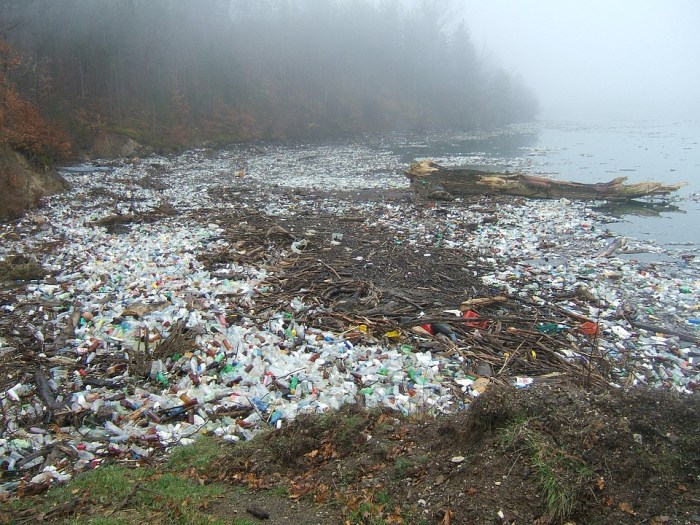
Plastic pollution is one of the most pressing environmental issues we face today. It refers to the accumulation of plastic products in the environment, leading to detrimental effects on wildlife and ecosystems. As we explore the origins of plastic production and its rapid rise in consumption, it becomes clear how deeply embedded plastic is in our daily lives.
From the time it was first invented in the early 20th century, plastic has revolutionized industries and lifestyles, but its convenience comes at a steep cost. Today, we find ourselves surrounded by different types of plastics, from single-use bags to microplastics, all contributing to a growing crisis that demands urgent attention and action.
Introduction to Plastic Pollution
Plastic pollution has emerged as a critical issue affecting ecosystems, wildlife, and human health across the globe. It refers to the accumulation of plastic products in the environment, which disrupts natural processes and poses significant risks. With the ever-increasing production and consumption of plastic, understanding its implications has never been more urgent.The journey of plastic began in the early 20th century with the invention of Bakelite, the first synthetic plastic.
Since then, the production of plastics has skyrocketed, driven by their versatility and low cost. Initially hailed for their convenience and durability, plastics have become ubiquitous in everyday products, from packaging materials to household items. However, this rapid rise in consumption has led to severe environmental consequences, as most plastics do not biodegrade and can persist in nature for hundreds of years.
Main Types of Plastics Contributing to Pollution
Various types of plastics contribute significantly to plastic pollution, each with distinct characteristics and uses. Recognizing these types is vital for understanding their impact on the environment. The most common types include:
- Polyethylene (PE): Widely used in plastic bags and bottles, it is one of the most produced plastics globally. Its lightweight nature means that it can easily be carried by wind or water, leading to widespread environmental contamination.
- Polypropylene (PP): Found in containers, straws, and automotive parts, polypropylene is more resistant to heat than other plastics, making it a popular choice. However, it also contributes to pollution due to improper disposal.
- Polyvinyl Chloride (PVC): Commonly used in pipes, cables, and flooring, PVC poses environmental concerns due to its production process and the harmful chemicals released during its lifecycle.
- Polystyrene (PS): Often used for disposable coffee cups and food containers, polystyrene is particularly problematic as it can break into small particles, leading to microplastic pollution in water bodies.
- Polyethylene Terephthalate (PET): This plastic is primarily used for water and soda bottles. While it is recyclable, a significant amount ends up in landfills and oceans, contributing to pollution.
Environmental Impact
Plastic pollution poses a significant threat to our environment, affecting both marine and terrestrial ecosystems. From the vast oceans to the smallest streams, plastic waste disrupts delicate balances, leading to adverse effects on wildlife and human health. Understanding these impacts is crucial for establishing effective solutions to combat this growing issue.
Effects on Marine Life and Ecosystems
Plastic pollution in marine environments is a pressing concern, with millions of tons of plastic entering oceans each year. Marine life often mistakes plastic items for food, resulting in ingestion that can be fatal. Sea turtles, for instance, consume plastic bags thinking they are jellyfish, leading to internal injuries or death. Furthermore, larger marine animals can become entangled in discarded fishing gear, which can cause suffocation or severe injuries.The consequences of plastic waste extend beyond individual species; they also affect entire ecosystems.
Coral reefs, vital for marine biodiversity, suffer from smothering due to accumulated plastics, inhibiting their growth and reproduction. The presence of plastics can lead to weakened coral systems, ultimately affecting the multitude of species that rely on them for habitat and food.
Consequences on Terrestrial Environments
Plastic pollution is not confined to oceans; it also significantly impacts terrestrial ecosystems. Landfills overflowing with plastic waste can leach harmful chemicals into soil and groundwater, impacting plant life and agriculture. Wildlife encounters plastic debris in their habitats, leading to ingestion or entanglement that disrupts local populations.Urban areas are also affected, with plastic litter accumulating in streets and parks. This not only creates unsightly environments but contributes to broader environmental issues like flooding.
Blocked drainage systems from plastic waste can lead to waterlogging during heavy rains, exacerbating erosion and habitat destruction.
Impact of Microplastics on Food Chains and Human Health
Microplastics, tiny plastic particles less than five millimeters in size, have infiltrated ecosystems and food chains globally. These particles originate from larger plastics breaking down over time or from consumer products like cosmetics and detergents. Research indicates that microplastics are now present in nearly every environment, from the deepest oceans to the highest mountains.The presence of microplastics poses a risk not only to marine life but also to human health.
Fish and shellfish consume microplastics, which can then be transferred to humans through seafood consumption. Studies show that microplastics can carry toxic chemicals and pathogens, leading to potential health issues such as inflammation, endocrine disruption, and other chronic diseases. In summary, plastic pollution dramatically affects both marine and terrestrial ecosystems, disrupting life at various levels and ultimately posing significant risks to human health.
As awareness grows, the need for action to mitigate these impacts becomes increasingly urgent.
Sources of Plastic Pollution
Plastic pollution is a pervasive issue that arises from various sources in both urban and rural areas. Understanding these sources is crucial for developing effective strategies to combat plastic waste, as they reveal the habits and practices that contribute to the problem. This segment highlights the primary origins of plastic pollution and examines the roles that industries, consumer habits, and packaging play in this environmental crisis.
Primary Sources of Plastic Waste
Plastic waste can be traced back to a multitude of sources, which can be grouped into several key categories. These include consumer habits, industrial processes, and improper disposal methods. Each of these sources contributes significantly to the overall plastic pollution problem.
- Household Waste: In urban areas, households contribute significantly to plastic waste through everyday items such as food packaging, plastic bags, and single-use utensils. Rural areas are not exempt, with similar habits leading to accumulation from farms and local shops.
- Industries and Manufacturing: The manufacturing sector is a major contributor, producing vast amounts of plastic for various applications. Industries such as packaging, automotive, and construction generate substantial plastic waste through production processes and product lifecycle.
- Commercial Activities: Retail outlets, restaurants, and other commercial entities produce significant amounts of plastic waste, primarily from packaging and food service items. Fast food chains, for instance, rely heavily on single-use plastics.
- Improper Disposal: A large portion of plastic waste ends up in landfills or the environment due to improper disposal methods. Inadequate waste management systems in both urban and rural areas exacerbate the situation, allowing plastic items to escape into nature.
Role of Industries, Packaging, and Consumer Habits
The interplay between industries, packaging practices, and consumer behaviors significantly influences the volume of plastic waste generated. Changes in these areas can lead to substantial reductions in plastic pollution.
- Industry Practices: Industrial processes often prioritize cost and efficiency over sustainability. The reliance on non-biodegradable plastics in manufacturing leads to increased waste generation.
- Packaging Choices: The packaging industry is a leading contributor to plastic pollution. Statistics show that approximately 40% of plastic produced globally is used for packaging. The trend towards convenience often results in over-packaging, which creates more waste.
- Consumer Behavior: Consumer habits greatly impact plastic pollution. The demand for convenience drives the use of single-use plastics, while a lack of awareness about recycling practices contributes to the problem. Surveys indicate that many consumers are unaware of the recycling capabilities of certain plastics.
Statistics on Plastic Production and Waste Generation
Over the years, the production and disposal of plastic have reached alarming levels, reflecting the need for urgent action.
| Year | Plastic Production (Million Tons) | Plastic Waste Generated (Million Tons) |
|---|---|---|
| 2000 | 200 | 150 |
| 2010 | 300 | 250 |
| 2020 | 368 | 300 |
| 2023 (Estimated) | 400 | 350 |
The data clearly demonstrates a steady increase in both the production and disposal of plastic. As of 2023, it is estimated that global plastic production reached 400 million tons, with around 350 million tons of plastic waste generated. This continuous rise highlights the urgent need for innovative solutions and public awareness campaigns to reduce plastic pollution effectively.
“The world produces more than 300 million tons of plastic every year, and a significant portion of this ends up in landfills or the environment.”
Solutions and Innovations
The increasing awareness of plastic pollution has spurred innovative solutions and technologies that aim to reduce plastic use and mitigate its environmental impact. As we explore these solutions, it’s important to recognize the multifaceted approach needed to address the plastic crisis effectively. From novel materials to sophisticated recycling systems, various initiatives are making strides toward a sustainable future.
Innovative Materials and Technologies
New materials and technologies are emerging as potential game-changers in the fight against plastic pollution. These innovations aim to replace conventional plastics with more sustainable alternatives or improve existing plastic use.
- Biodegradable Plastics: Materials like polylactic acid (PLA) and polyhydroxyalkanoates (PHA) are derived from natural sources and break down more easily in the environment compared to traditional plastics.
- Mycelium Packaging: Made from the root structure of mushrooms, mycelium can be used to create biodegradable packaging that decomposes naturally, providing a sustainable alternative to Styrofoam.
- Recycled Ocean Plastics: Companies are developing products made from plastics collected from oceans, converting them into useful items like clothing, sunglasses, and even building materials.
- Plant-Based Alternatives: Innovations like cellulose-based films and coatings derived from plants are being researched as practical substitutes for single-use plastics.
- Smart Packaging: This technology uses sensors to monitor freshness and quality, which can reduce food waste and, consequently, the demand for excessive plastic packaging.
Recycling and Waste Management Systems
An effective recycling and waste management system plays a crucial role in reducing plastic pollution. Efficient systems can help reclaim valuable materials and minimize the amount of plastic ending up in landfills and oceans.
- Advanced Recycling Technologies: Innovations in chemical recycling are enabling the transformation of plastics back into their original monomers, allowing them to be reused without degradation of quality.
- Sorting Technologies: Automated systems equipped with AI and optical sorting can identify and separate different types of plastics, improving recycling rates and efficiency.
- Deposit Return Schemes: These systems incentivize consumers to return bottles and containers for a refund, promoting recycling and reducing litter.
- Community Recycling Programs: Local initiatives that educate citizens about recycling practices and provide convenient drop-off locations contribute to increased recycling rates.
Community Initiatives and Awareness Campaigns
Raising awareness and fostering community action is vital for tackling plastic pollution. Engaging local populations through initiatives can significantly influence behaviors and practices related to plastic use.
- Beach Clean-Up Drives: Organizing regular clean-up events encourages community participation and directly addresses plastic waste in local environments.
- Educational Workshops: Hosting workshops on sustainable practices, such as DIY alternatives to single-use plastics, can empower individuals to make informed choices.
- Social Media Campaigns: Utilizing platforms to spread awareness about the impacts of plastic pollution can mobilize larger audiences and inspire action.
- Plastic-Free Challenges: Initiating community challenges that encourage participants to go plastic-free for a set period fosters collective commitment and highlights alternatives.
- Collaborations with Local Businesses: Partnering with local shops to promote eco-friendly products can create a supportive network for reducing plastic use.
Global Efforts and Policies
The fight against plastic pollution has gained momentum on a global scale, driven by the increasing recognition of its detrimental effects on the environment and human health. Countries, organizations, and individuals are coming together to address this pressing issue through various international agreements, national policies, and grassroots initiatives. The urgency of the situation has led to collaborative efforts aimed at reducing plastic waste and promoting sustainable alternatives.Significant international agreements and policies have emerged to combat plastic pollution.
Among them, the United Nations Environment Programme (UNEP) has been pivotal in uniting countries under the common goal of reducing plastic waste. The Global Partnership on Marine Litter, launched in 2012, encourages governments to take action to prevent plastic waste from reaching oceans. Additionally, the 2016 resolution to establish a global framework on plastic pollution has spurred discussions aimed at drafting a legally binding treaty.
International Agreements and Initiatives
Several key international agreements and initiatives are shaping the global response to plastic pollution. Here are some notable examples:
- The Basel Convention: This treaty regulates the transboundary movement of hazardous wastes and their disposal. In 2019, amendments were made to include plastic waste, bolstering efforts to control the trade of plastic waste across borders.
- The Paris Agreement: While primarily focused on climate change, this agreement indirectly addresses plastic pollution by promoting sustainability and the reduction of fossil fuel use, which is a primary source of plastic production.
- The Clean Seas Campaign: Launched by UNEP, this initiative encourages countries to reduce plastic consumption and improve waste management practices through public awareness and engagement initiatives.
Governments play a crucial role in implementing policies that limit plastic usage and promote recycling. Various countries have adopted different strategies to tackle plastic waste. For instance, the European Union has implemented a directive to ban single-use plastic items, such as cutlery and straws, by 2021. This initiative aims to reduce marine litter and encourage the use of sustainable alternatives.
Government and NGO Collaboration
The collaboration between governments and non-governmental organizations (NGOs) is instrumental in combating plastic pollution. NGOs often bridge the gap between policy creation and public engagement, helping to raise awareness and drive community action. They conduct research, advocate for policy changes, and implement educational programs aimed at reducing plastic consumption.For example, organizations like Greenpeace and the World Wildlife Fund (WWF) work tirelessly to influence policy decisions, pushing governments to adopt stricter regulations on plastic production and waste management.
Their campaigns often focus on promoting alternative materials and encouraging consumers to make more sustainable choices.
Comparative Approaches to Plastic Reduction
Different countries have adopted unique approaches to reducing plastic use and promoting sustainable alternatives. The variations in strategies highlight the diversity of solutions available to tackle plastic pollution.
- Canada: The Canadian government has pledged to ban single-use plastics by 2021, alongside a commitment to a zero plastics waste strategy. This approach combines regulation with investment in recycling technologies.
- India: India’s strategy focuses on community-led initiatives and grassroots movements. The government announced a ban on single-use plastics in 2022, aiming to foster public involvement in waste management and reduction efforts.
- Japan: Japan emphasizes recycling and has implemented an advanced waste sorting system. The country aims for a circular economy by promoting the reuse of materials, significantly reducing plastic waste.
These varied approaches illustrate the importance of tailoring strategies to fit national contexts and the significance of international cooperation in addressing the global challenge of plastic pollution.
Individual Actions
As we all navigate our daily lives, our individual choices play a crucial role in combating plastic pollution. Each action, no matter how small, contributes to a larger movement towards a sustainable future. By making informed decisions and adopting eco-friendly habits, we can significantly reduce our plastic footprint and inspire others to do the same.Consumer choices are pivotal in the fight against plastic pollution.
The products we buy and use send a message to manufacturers about our values and priorities. Lifestyle changes, whether adopting minimalism or seeking sustainable alternatives, can create a ripple effect that encourages the reduction of plastic consumption on a broader scale. Understanding the impact of our choices empowers us to make better decisions that benefit the environment.
Practical Steps to Reduce Plastic Footprint
Implementing simple and practical steps can lead to significant reductions in plastic waste. Here are some effective strategies:
- Carry a reusable water bottle: This simple switch eliminates the need for single-use plastic bottles. Look for durable materials like stainless steel or glass.
- Use cloth bags for shopping: Bringing your own bags to the grocery store reduces the reliance on plastic bags. Opt for eco-friendly cloth or jute bags that can be reused over and over.
- Choose products with minimal packaging: When shopping, prioritize items with little to no plastic packaging. Bulk bins, fresh produce, and bulk grains are great options.
- Invest in reusable straws and utensils: Ditch disposable straws and cutlery. Reusable options made from stainless steel, silicone, or bamboo can be taken anywhere.
- Say no to single-use items: Avoid items like plastic plates, cups, and cutlery. Instead, opt for durable alternatives that can be washed and reused.
Sustainable Alternatives to Single-Use Plastics
Finding alternatives to single-use plastics is essential for reducing overall waste. A few sustainable options include:
- Beeswax wraps: These can replace plastic wrap for food storage, providing a reusable solution that keeps food fresh.
- Glass or stainless steel containers: Use these for food storage instead of plastic containers, as they are more durable and safer for health.
- Natural fiber sponges and cloths: Replace synthetic sponges with natural options, which are biodegradable and less harmful to the environment.
- Compostable plates and utensils: For parties or picnics, consider using compostable items made from materials like sugarcane or bamboo.
“Every small action counts; collectively, we have the power to challenge and change the tide of plastic pollution.”
By embracing these individual actions and sustainable alternatives, we can contribute to a healthier planet. Each choice we make is a step towards a world less burdened by plastic, paving the way for future generations to thrive in a cleaner environment.
Future of Plastic Pollution
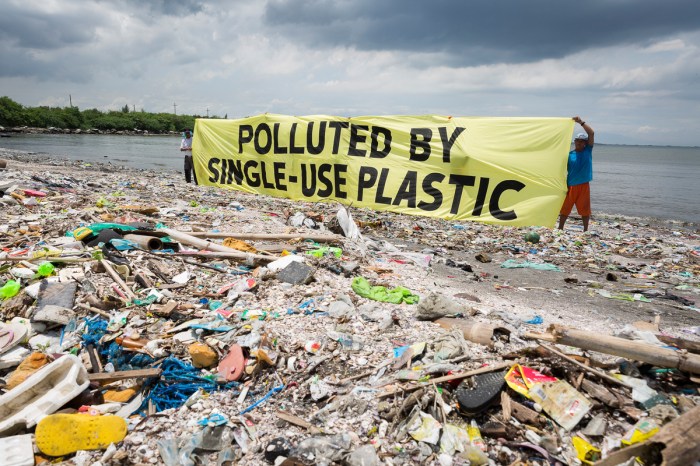
As we look ahead, the future of plastic pollution presents both challenges and opportunities. With the growing awareness of environmental issues, trends in plastic production, waste management, and innovative technologies are set to evolve significantly. Understanding these trends will be crucial for shaping a sustainable future and mitigating the impacts of plastic on our planet.Emerging technologies are at the forefront of revolutionizing how we approach plastic recycling.
Advanced methods like chemical recycling and enzymatic breakdown are being developed to address the limitations of traditional mechanical recycling. These innovations not only enhance recycling efficiency but also broaden the types of plastics that can be effectively processed.
Trends in Plastic Production and Waste Management
The plastic production industry is anticipated to shift towards more sustainable practices. One of the key trends is the transition from virgin plastic production to the use of recycled materials. This shift is driven by both regulatory pressures and market demands for environmentally friendly products. Additionally, companies are increasingly investing in biodegradable alternatives and renewable materials. Factors influencing these trends include:
- Increased regulation on single-use plastics, prompting companies to innovate.
- Consumer preference for sustainable products leading to changes in manufacturing practices.
- Investment in Circular Economy models focusing on reuse and recycling.
These factors are essential in guiding the industry towards a more sustainable future.
Emerging Technologies in Recycling
Several promising technologies are being developed that could change the landscape of plastic waste management. For instance, chemical recycling processes utilize heat and solvents to convert waste plastics back into their original monomers, allowing for infinite recycling. Furthermore, biotechnological advancements, such as the engineering of bacteria or enzymes that can digest plastics, hold immense potential.Key technologies to watch include:
- Advanced pyrolysis techniques that convert plastic into fuel.
- Enzymatic recycling methods that facilitate the breakdown of plastics at a molecular level.
- 3D printing with recycled plastics, which offers new applications for waste materials.
These innovations promise to significantly enhance our recycling capabilities and contribute towards reducing plastic pollution.
The Role of Education in Consumption Behaviors
Education is a powerful tool in combatting plastic pollution. By fostering awareness about the impacts of plastic use and the importance of recycling, educational programs can shape consumer behaviors towards more sustainable choices. Schools, community organizations, and online platforms can play pivotal roles in disseminating knowledge and encouraging responsible consumption.Important points regarding education’s impact include:
- Incorporation of environmental education in school curriculums to instill eco-friendly values in young minds.
- Community workshops that promote sustainable practices and plastic alternatives.
- Social media campaigns that raise awareness and encourage public participation in plastic reduction initiatives.
By promoting informed decision-making, education can help cultivate a generation that prioritizes sustainability and actively participates in reducing plastic waste.
Closing Notes
In conclusion, addressing plastic pollution requires a multifaceted approach involving innovative solutions, global cooperation, and individual responsibility. We’ve seen how the repercussions of plastic waste extend beyond just environmental concerns, affecting human health and food systems. By understanding the sources and impacts of plastic pollution, and taking collective action, we can pave the way for a cleaner, sustainable future.
Q&A
What are microplastics?
Microplastics are tiny plastic particles less than five millimeters in size, often resulting from the breakdown of larger plastic items.
How long does plastic take to decompose?
Plastic can take hundreds to thousands of years to decompose, depending on the type and environmental conditions.
What are some alternatives to single-use plastics?
Alternatives include reusable bags, metal straws, glass containers, and biodegradable materials.
How can businesses reduce plastic pollution?
Businesses can minimize plastic use by adopting sustainable packaging practices, promoting recycling, and transitioning to eco-friendly materials.
What role do consumers play in reducing plastic pollution?
Consumers can reduce plastic pollution by making informed purchasing decisions, reducing waste, and advocating for sustainable practices.