Dairy-Free Products Food items free from dairy ingredients. are making waves in the food industry, and for good reason! As more people become aware of food allergies, ethical considerations, and health benefits, it’s no wonder that dairy-free options are on the rise. From creamy milk alternatives to savory cheese substitutes, there’s a whole world waiting to be explored.
This guide sheds light on what dairy-free products entail, the common ingredients to steer clear of, and the many delicious options available. Whether you’re considering a dairy-free lifestyle for health reasons or simply looking to diversify your diet, understanding these products can open up new culinary adventures.
Definition and Importance of Dairy-Free Products
Dairy-free products are food items that do not contain any ingredients derived from dairy sources, such as milk, cheese, butter, and yogurt. With an increasing awareness of dietary restrictions and lifestyle choices, dairy-free alternatives have become a significant part of the food market. These products cater not just to individuals who are lactose intolerant or allergic to dairy proteins, but also to those adopting plant-based diets for health or ethical reasons.The significance of dairy-free products can be seen in various contexts, including health benefits and ethical considerations.
People often turn to dairy-free diets to avoid potential health issues associated with dairy consumption, such as digestive problems and inflammation. Additionally, many choose this path for ethical reasons, supporting animal welfare and environmental sustainability. According to a report by the Plant Based Foods Association, the dairy-free product sector grew by 20% in 2020, indicating a strong consumer shift towards plant-based alternatives, reinforcing the importance of these products in today’s food landscape.
Health and Ethical Considerations
The health benefits associated with dairy-free diets are increasingly recognized. Many individuals report improvements in digestion and overall well-being after eliminating dairy from their diets. This is particularly relevant for those suffering from lactose intolerance, which affects approximately 68% of the world’s population, according to the National Institutes of Health. Ethical considerations also play a crucial role in the shift towards dairy-free products.
Consumers are increasingly concerned about the treatment of animals in dairy farming and the environmental impact of the dairy industry. The animal agriculture sector is a significant contributor to greenhouse gas emissions, and transitioning to dairy-free alternatives can mitigate these effects.The surge in demand for dairy-free options has been evidenced by notable statistics:
- The dairy-free milk market alone was valued at approximately $18.4 billion in 2021 and is projected to reach $44.6 billion by 2028, reflecting a growing preference for plant-based beverages.
- In the U.S., 40% of millennials identify as dairy-free, showcasing a generational shift towards non-dairy options.
These figures highlight not only the popularity of dairy-free products but also the increasing normalization of dairy-free lifestyles.
The shift towards dairy-free alternatives is not just a trend; it’s a reflection of evolving consumer values focused on health, ethics, and sustainability.
Common Dairy Ingredients to Avoid
Many people adopting a dairy-free lifestyle may not realize the various forms dairy can take in food products. Understanding these common dairy ingredients is crucial for maintaining a truly dairy-free diet. Not only does this awareness help in making informed food choices, but it also aids in avoiding any unwanted reactions for those with lactose intolerance or dairy allergies. In processed foods, dairy can be present in several unexpected forms.
It’s important to read labels carefully and recognize various ingredients that could indicate the presence of dairy. Some ingredients are derived from dairy, while others might contain hidden sources of dairy that are not immediately obvious.
Common Dairy Ingredients and Hidden Sources
Below is a list of typical dairy ingredients to avoid, along with some potential hidden dairy sources found in various processed foods. Being vigilant about these ingredients can significantly help in maintaining a dairy-free diet.
| Dairy Ingredient | Dairy-Free Alternative |
|---|---|
| Milk | Almond milk, soy milk, oat milk |
| Butter | Coconut oil, vegan butter |
| Cheese | Nutritional yeast, cashew cheese |
| Cream | Coconut cream, cashew cream |
| Yogurt | Coconut yogurt, soy yogurt |
| Whey protein | Pea protein, hemp protein |
Several common processed foods can also contain hidden dairy sources. For instance, products such as baked goods, salad dressings, and even some snack foods can contain dairy ingredients like casein, lactose, or buttermilk.
Being mindful of ingredient labels and recognizing alternative options can empower individuals to maintain a healthy, dairy-free lifestyle.
Staying informed about these dairy ingredients and their alternatives can make a significant difference for those avoiding dairy. Keeping track of these common ingredients helps navigate the grocery aisles with confidence, ensuring that your meals are both delicious and dairy-free.
Types of Dairy-Free Products
Dairy-free products have gained immense popularity as more people adopt plant-based diets or seek alternatives due to allergies or lactose intolerance. This segment explores the diverse array of dairy-free products available in the market, providing consumers with plenty of options that suit their dietary needs without compromising on taste or texture.Dairy-free products can be categorized into several main types, including milk alternatives, cheese substitutes, and yogurt options.
Each category offers unique products that mimic traditional dairy items while using plant-based ingredients. Below is an overview of these categories along with popular brands and their offerings.
Categories of Dairy-Free Products
In the realm of dairy-free options, there are several types of products designed to replace traditional dairy items. These products often use ingredients derived from nuts, grains, or legumes to achieve similar flavors and textures. Here’s a closer look at each category:
- Milk Alternatives: These are drinks made from various plants that replace cow’s milk. Common ingredients include almond, soy, oat, coconut, and hemp. They can be used in cereals, coffee, smoothies, or just enjoyed on their own.
- Cheese Substitutes: Vegan cheeses are crafted from nuts, soy, or starches and can come in various forms such as slices, shreds, or cream cheese. They are often used in cooking and as spreads.
- Yogurt Options: Dairy-free yogurts are typically made from almond, coconut, soy, or cashew milk. They often contain live cultures similar to dairy yogurt and are available in various flavors and styles.
To help make informed choices, here’s a list of popular dairy-free brands and their key products:
Popular Dairy-Free Brands and Products
This section highlights well-known brands that offer dairy-free options, showcasing their standout products.
- Almond Breeze: Known for their almond milk, which is smooth and versatile, suitable for drinking, cooking, or adding to coffee.
- Violife: Offers a range of vegan cheeses, including grated, sliced, and block forms that melt well, making them ideal for cooking.
- So Delicious: Specializes in coconut-based yogurts and ice creams, known for their creamy texture and diverse flavor options.
- Silk: Provides a wide array of soy and nut-based milks, as well as non-dairy creamers, perfect for various culinary uses.
- Earth Balance: Offers vegan butters and spreads that are delicious alternatives to traditional butter, suitable for baking and cooking.
Nutritional Comparison of Dairy and Dairy-Free Options
When considering a switch to dairy-free products, it’s essential to examine the nutritional differences between traditional dairy and its plant-based counterparts.
| Product Type | Dairy Option | Dairy-Free Option |
|---|---|---|
| Whole Milk (1 cup) | 150 calories, 8g protein, 8g fat, 12g carbs | Almond Milk (1 cup, unsweetened): 30-40 calories, 1g protein, 2.5g fat, 1g carbs |
| Cheddar Cheese (1 oz) | 110 calories, 7g protein, 9g fat, 1g carbs | Violife Cheddar (1 oz): 70 calories, 1g protein, 6g fat, 1g carbs |
| Yogurt, Whole (7 oz) | 150 calories, 8g protein, 8g fat, 12g carbs | Coconut Yogurt (7 oz): 120 calories, 1g protein, 7g fat, 14g carbs |
Understanding these differences helps consumers make decisions based on their dietary needs, preferences, and nutritional goals. The rise of dairy-free products has not only expanded options for those avoiding dairy but has also contributed to a broader interest in plant-based eating.
Benefits of Choosing Dairy-Free Products
Choosing dairy-free products can significantly enhance your overall health and well-being while also being kinder to the planet. Many individuals have discovered that eliminating dairy from their diets has led to various positive changes in their bodies and lifestyles. Let’s dive into the broad spectrum of benefits this dietary choice entails.
Health Benefits of Eliminating Dairy
Eliminating dairy can lead to several health improvements for those who are lactose intolerant or who have dairy allergies. For many, switching to dairy-free alternatives results in better digestion, reduced inflammation, and clearer skin. Here are some specific health benefits associated with a dairy-free diet:
- Improved digestive health: Many individuals experience bloating and discomfort after consuming dairy products, which can be alleviated by switching to dairy-free options.
- Reduced inflammatory responses: Dairy can be inflammatory for some people. Removing it from their diet may help reduce overall inflammation and associated symptoms.
- Clearer skin: Some studies have linked dairy consumption to acne and other skin issues, with many individuals reporting clearer skin after eliminating dairy.
- Better nutrient absorption: By choosing plant-based alternatives, individuals often increase their intake of essential nutrients, such as vitamins and minerals found in fruits, vegetables, and nuts.
Environmental Impact of Dairy Farming
The environmental footprint of dairy farming is substantial when compared to plant-based alternatives. Dairy production is resource-intensive and contributes significantly to greenhouse gas emissions, land degradation, and water use. The shift towards dairy-free products can positively impact the environment in the following ways:
- Lower greenhouse gas emissions: Dairy farming generates more methane compared to plant-based agriculture, so less dairy means lower emissions.
- Conservation of water: Producing dairy requires vast amounts of water. Plant-based alternatives generally use significantly less water to produce.
- Reduced land use: Dairy farming requires extensive land for grazing and feed production, whereas plant-based foods need less space for cultivation.
- Preservation of biodiversity: Reducing the demand for dairy can help protect natural habitats and maintain ecological balance.
Testimonials from Individuals Who Switched to Dairy-Free Diets
Real-life experiences from individuals who have made the switch to dairy-free diets highlight the positive effects of this lifestyle change. Here are a few inspiring testimonials that showcase the benefits of going dairy-free:
“After eliminating dairy from my diet, I noticed significant changes in my energy levels and overall mood. My body feels lighter, and my skin has cleared up!” – Jamie, 32
“I used to struggle with digestive issues that I thought were normal. Once I switched to a dairy-free diet, everything changed. I feel great!” – Alex, 28
“Going dairy-free wasn’t just a health decision for me; it also aligned with my values about the environment. I love knowing that my diet is having a positive impact!” – Morgan, 40
Cooking and Baking with Dairy-Free Ingredients
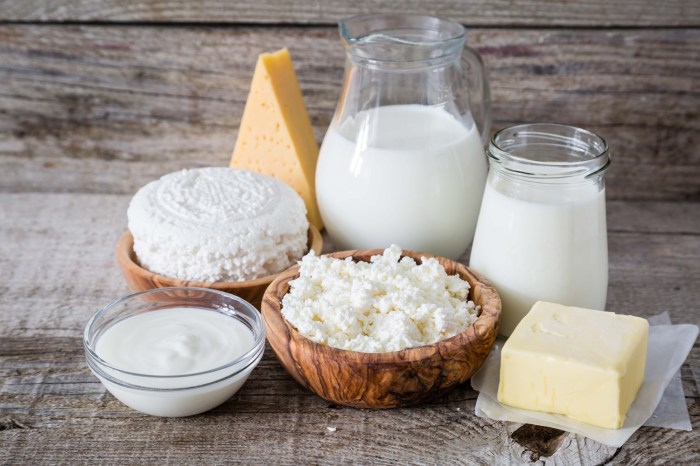
Cooking and baking without dairy may seem challenging at first, but with the right substitutions and recipes, it becomes an enjoyable and fulfilling experience. Dairy-free cooking allows you to explore a variety of ingredients that not only replace traditional dairy but also add unique flavors and textures to your dishes. Whether you’re lactose intolerant, have a dairy allergy, or simply choose to follow a dairy-free lifestyle, there are plenty of delicious options available.When adapting recipes to be dairy-free, understanding how to substitute conventional dairy ingredients is key.
Each type of dairy product can be replaced with alternatives that provide similar textures and flavors. Below are some effective methods for substituting dairy products in traditional recipes, followed by a selection of popular dairy-free recipes that are easy to prepare at home.
Substituting Dairy Products in Recipes
Using the right substitutes can help maintain the taste and consistency of your dishes. Here’s a handy table that Artikels common dairy products alongside their dairy-free alternatives:
| Dairy Product | Dairy-Free Substitute |
|---|---|
| Milk | Almond milk, soy milk, oat milk, coconut milk |
| Butter | Coconut oil, olive oil, dairy-free margarine |
| Sour cream | Coconut cream, cashew cream, dairy-free yogurt |
| Cheese | Nutritional yeast, vegan cheese, cashew cheese |
| Heavy cream | Coconut cream, silken tofu, cashew cream |
These substitutions can easily be integrated into your cooking and baking routines. For example, if a recipe calls for one cup of milk, you can replace it with almond milk or oat milk with very little impact on the overall flavor of the dish. In addition to substitutions, there are numerous dairy-free recipes that are simple and satisfying. Here are a few favorites that you can whip up in no time:
1. Dairy-Free Pancakes
Use oat milk and coconut oil in your pancake batter for a fluffy and delicious breakfast treat.
2. Vegan Mac and Cheese
Combine cashew cream and nutritional yeast to create a creamy cheese sauce that you can mix with your favorite pasta.
3. Chocolate Avocado Mousse
Blend ripe avocados with cocoa powder, maple syrup, and a splash of coconut milk for a rich dessert that’s dairy-free and indulgent.With the right substitutions and creative recipes, cooking and baking without dairy can be a delightful experience that opens the door to new tastes and textures. Embrace the versatility of dairy-free ingredients, and you’ll find that your culinary possibilities are endless.
Challenges of Dairy-Free Living
Adopting a dairy-free lifestyle can bring about various challenges that individuals need to navigate. These challenges may arise from dietary restrictions, social situations, and the need to maintain nutritional balance. By understanding these obstacles, individuals can develop effective strategies to overcome them and embrace their dairy-free journey with confidence.One of the most common challenges faced by those avoiding dairy products is the prevalence of dairy ingredients in many foods.
This can make it difficult to find suitable options, especially when dining out or attending social gatherings. To make the transition smoother, it’s essential to be prepared and informed about potential pitfalls and how to deal with them in various settings.
Common Challenges in Social Settings and Dining Out
Social situations often present unique obstacles for those following a dairy-free diet. Here are some typical challenges and strategies to manage them effectively:
- Limited Menu Options: Many restaurants offer limited dairy-free choices, which can be frustrating. Researching restaurants in advance and checking their menus online can help identify suitable options. Additionally, calling ahead to inquire about dairy-free options can provide peace of mind.
- Cross-Contamination: The risk of cross-contamination in kitchens can be a major concern for individuals with dairy allergies or sensitivities. Informing the staff about dietary restrictions can help mitigate this risk. Don’t hesitate to ask how meals are prepared and whether they can accommodate your needs.
- Social Pressure: Friends and family may not always understand the importance of avoiding dairy. Engaging in open conversations about your dietary choices can help others be more supportive. Additionally, bringing your own dairy-free dish to gatherings can ensure you have something to enjoy.
Maintaining a Balanced Diet While Avoiding Dairy
Ensuring a balanced diet is crucial when eliminating dairy products. Here are practical recommendations to help maintain nutritional adequacy:
- Explore Plant-Based Alternatives: Incorporate non-dairy alternatives like almond milk, soy yogurt, and coconut cheese. These options not only replace dairy but also add unique flavors and nutrients to your meals.
- Focus on Nutrient-Rich Foods: Include a variety of fruits, vegetables, whole grains, and legumes in your diet. These foods provide essential vitamins and minerals that can compensate for the nutrients typically found in dairy.
- Monitor Calcium Intake: Calcium is often a concern for those avoiding dairy. Incorporate calcium-rich foods like fortified plant milks, leafy greens (such as kale and bok choy), tofu, and almonds to ensure you’re meeting your calcium needs.
- Consider Supplements: If you’re concerned about specific nutrients, such as vitamin D or calcium, consult with a healthcare provider about the possibility of taking supplements to fill any gaps in your diet.
Being proactive and informed can greatly enhance your dairy-free living experience, making it both enjoyable and nutritious.
Future Trends in Dairy-Free Products
As the demand for dairy-free alternatives continues to rise, the market is witnessing an exciting evolution in product development and innovation. Consumers are increasingly seeking options that not only cater to dietary restrictions but also align with health trends and environmental consciousness. This transformative phase is marked by advancements in technology, flavor profiles, and ingredient sourcing, driving the dairy-free industry toward a promising future.The dairy-free product landscape is rapidly transforming due to several emerging trends that reflect changing consumer preferences.
One significant trend is the development of plant-based innovations that mimic traditional dairy flavors and textures. This includes advancements in fermentation techniques and the use of ingredients like pea protein, almond milk, and coconut cream that create more appealing products for a broader audience.
Emerging Trends in Dairy-Free Product Development
The following trends are shaping the future of dairy-free products, driving innovation and catering to consumer desires for variety and health benefits:
- Clean Labeling: Consumers are increasingly interested in transparency regarding ingredients. There is a growing demand for dairy-free products that are minimally processed, with short ingredient lists and no artificial additives.
- Functional Ingredients: Products infused with additional health benefits, such as probiotics for gut health or added vitamins and minerals, are becoming popular. This trend caters to health-conscious consumers seeking more than just basic dairy alternatives.
- Sustainable Sourcing: The environmental impact of dairy production has led to a rise in sourcing ingredients sustainably. Brands that emphasize eco-friendly practices and packaging are likely to resonate with environmentally conscious consumers.
- Innovative Flavors: Traditional flavors are being reimagined, with unique options like matcha lattes or chai-spiced almond milk gaining popularity. This trend appeals to consumers looking for adventurous tastes in their dairy-free options.
Insights from industry experts indicate that the market for dairy-free products is expected to expand significantly over the next few years. According to recent market research studies, the global dairy alternatives market is projected to reach over $40 billion by 2026, propelled by an increasing number of consumers adopting plant-based diets. This shift is not limited to those with lactose intolerance or dairy allergies; a growing number of health-conscious consumers are choosing dairy-free products as part of a balanced lifestyle.Moreover, the consumer behaviors driving these trends reflect a deeper alignment with ethical choices and health considerations.
Many consumers are now prioritizing dietary choices that support animal welfare and reduce environmental impact. As a result, companies are encouraged to innovate and adapt their product offerings to meet these evolving expectations.As these trends unfold, it’s clear that the dairy-free landscape will continue to diversify, offering delicious and accessible options for everyone, regardless of dietary preferences or restrictions. The future of dairy-free products looks bright, with a focus on quality, sustainability, and taste that promises to delight consumers worldwide.
Last Point
In conclusion, embracing Dairy-Free Products Food items free from dairy ingredients. can significantly impact your health, the environment, and your taste buds! As the market continues to innovate and expand, there’s never been a better time to dive into the dairy-free scene. So, whether you’re a seasoned pro or just starting out, there’s a wealth of options to discover and enjoy!
FAQ Summary
What are the main benefits of a dairy-free diet?
A dairy-free diet can lead to improved digestion, reduced inflammation, and increased energy for many people, especially those who are lactose intolerant or allergic to dairy.
Are dairy-free products nutrient-dense?
Many dairy-free products are fortified with vitamins and minerals such as calcium and vitamin D to provide similar nutrients found in dairy.
Can I find dairy-free options when dining out?
Yes, many restaurants now offer dairy-free alternatives, but it’s always good to ask the staff about their options and preparation methods.
Are dairy-free products suitable for kids?
Yes, many dairy-free products are specifically made for children and can be a nutritious part of their diet, but it’s important to ensure they are getting all necessary nutrients.
How can I identify hidden dairy in packaged foods?
Always read ingredient labels closely and look for terms like casein, whey, and lactose, which indicate the presence of dairy.