Installation and maintenance of systems designed to prevent and control fires. is a vital topic that ensures safety and protection across various environments. Understanding the different types of fire prevention systems and their installations is crucial for safeguarding homes, businesses, and industrial spaces. With regulations in place, it’s important to grasp the significance of these systems and how they can prevent catastrophic incidents.
From fire alarms to sprinkler systems, each component plays a pivotal role in fire safety. Knowing the installation procedures and maintenance protocols not only helps in compliance with safety standards but also enhances the effectiveness of these systems. This overview will walk you through everything from installation steps to the latest technological advancements in fire prevention.
Overview of Fire Prevention and Control Systems
Fire prevention and control systems play a crucial role in safeguarding lives and property from the devastating effects of fire. These systems encompass a variety of tools and strategies designed to detect, suppress, and extinguish fires before they escalate into uncontrollable situations. Understanding the different types of these systems and their importance across various environments is essential for effective fire safety management.Fire prevention and control systems can be categorized into several types, each serving distinct purposes and functionalities.
They integrate both passive and active measures to minimize the risk and impact of fire incidents. The relevance of these systems is evident in residential homes, commercial buildings, and industrial facilities, where the potential for fire hazards varies significantly. Regulatory standards, set forth by organizations like the National Fire Protection Association (NFPA) and local fire codes, govern the design, installation, and maintenance of these systems to ensure optimal performance and safety compliance.
Types of Fire Prevention and Control Systems
Fire prevention and control systems can be classified into several key types, each tailored to meet specific needs and environments. Understanding these categories helps in selecting the appropriate system for any setting. Below are the main types of fire systems:
- Fire Alarm Systems: These systems detect smoke, heat, or flames through various sensors and alert occupants and emergency services. Their effectiveness lies in early warning, which is critical for prompt evacuation and response.
- Sprinkler Systems: Automatic sprinkler systems are designed to release water when a fire is detected, helping to suppress flames and reduce heat. They are essential in both commercial and industrial settings, where large spaces can allow fires to spread rapidly.
- Fire Extinguishers: Portable fire extinguishers are a vital first line of defense in many settings. They come in various types, including water, foam, dry powder, and CO2, each suited for specific classes of fire.
- Smoke Control Systems: These systems manage smoke movement and maintain clear escape routes during a fire, often utilizing fans and dampers to direct smoke to designated areas.
- Fire Doors and Barriers: These passive systems are designed to prevent the spread of fire and smoke between different areas of a building, providing crucial time for evacuation and response.
Importance of Fire Prevention and Control Systems in Different Environments
The significance of fire prevention and control systems cannot be overstated, as they vary in importance depending on the environment in which they are implemented. Each setting presents unique challenges and risks that these systems are designed to address.
- Residential Settings: In homes, fire prevention systems help protect families and assets. Smoke alarms are particularly important, as they can provide critical early warnings, significantly reducing the risk of fatalities.
- Commercial Buildings: Businesses must adhere to strict fire safety regulations. Implementing comprehensive fire alarm systems, sprinklers, and fire extinguishers ensures employee safety and minimizes property damage while meeting legal compliance.
- Industrial Facilities: These environments often handle hazardous materials that can exacerbate fire risks. Robust fire prevention systems, including specialized suppression systems, are essential to mitigate these risks and protect both personnel and equipment.
Regulatory Standards for Fire Prevention Systems
A variety of regulatory standards guide the design, installation, and maintenance of fire prevention systems, ensuring they meet safety requirements. Compliance with these standards enhances system reliability and effectiveness.
- National Fire Protection Association (NFPA): The NFPA provides codes and standards that cover various aspects of fire safety, including installation and maintenance of fire alarm and sprinkler systems.
- International Building Code (IBC): This code Artikels requirements for building construction and fire safety, ensuring structures are designed to minimize fire hazards.
- Local Fire Codes: Municipalities often have specific fire codes that reflect local hazards and resources, providing guidelines for fire protection in that area.
“Effective fire prevention systems are not just a requirement, but a necessity to safeguard lives and property across all environments.”
Installation Procedures for Fire Systems
Installing fire systems is a critical task that ensures safety and compliance with regulations. Proper installation procedures are essential to guarantee that these systems function effectively in the event of a fire. This section covers the necessary steps for installing fire alarm systems, the requirements for sprinkler systems, and the integration of fire suppression systems with existing infrastructure.
Installation Procedures for Fire Alarm Systems
The installation of fire alarm systems involves several key steps to ensure proper operation and compliance with safety standards. The following Artikel provides a structured approach to the installation process:
- Site Inspection: Conduct a thorough survey of the installation site to identify potential hazards and determine the optimal locations for devices.
- System Design: Develop a detailed layout of the fire alarm system, including the placement of detectors, alarms, and control panels based on the site’s needs.
- Installation of Wiring: Run low-voltage wiring from the control panel to each device according to the design while ensuring compliance with local codes.
- Mounting Devices: Install smoke detectors, heat detectors, and manual pull stations securely at designated locations.
- Connection to Control Panel: Connect all devices to the main control panel and ensure proper termination of wires.
- Testing: Conduct comprehensive tests on all devices to confirm functionality and ensure the system is operational.
- Final Inspection: Schedule a final inspection with local fire officials to ensure compliance with codes and standards.
Installation Requirements for Sprinkler Systems
Sprinkler systems play a vital role in fire protection, and their installation requires adherence to specific standards and regulations. Key installation requirements include:
All sprinkler systems must be installed in accordance with NFPA 13 standards to ensure effective protection.
The major factors to consider during installation include:
- Water Supply: Ensure an adequate and reliable water supply is available to support the sprinkler system’s operation. Evaluate pressure and flow rates to meet system demands.
- System Design: Follow engineering plans that Artikel pipe sizes, spacing between sprinklers, and coverage areas to provide adequate protection.
- Piping Installation: Use appropriate materials, such as galvanized steel or CPVC, ensuring pipes are properly supported and secured to prevent sagging or stress.
- Sprinkler Head Placement: Install sprinkler heads at the correct height and spacing to effectively cover the designated area without obstruction.
- Testing and Commissioning: Execute a series of tests, including water flow tests and pressure checks, to confirm system reliability before final acceptance.
Integration of Fire Suppression Systems with Existing Infrastructure
Integrating fire suppression systems with existing infrastructure enhances overall safety and efficacy. Several key considerations must be addressed:
Successful integration requires careful planning and execution to avoid system conflicts and ensure seamless operation.
These considerations include:
- Assess Current Systems: Evaluate existing fire safety systems to determine compatibility and potential conflicts with new installations.
- Coordinated Design: Work closely with engineers and architects to design integrated systems that complement each other while satisfying safety codes.
- Communication Protocols: Establish communication between systems to allow for timely alerts and coordinated responses in emergency situations.
- Regular Maintenance: Implement a maintenance schedule to ensure all integrated systems function correctly and remain compliant with safety regulations.
Maintenance Protocols for Fire Control Systems
Routine maintenance of fire control systems is crucial in ensuring their functionality and reliability in the event of a fire. Regular maintenance not only helps in identifying potential issues before they escalate but also plays a significant role in prolonging the lifespan of the systems. Following structured maintenance protocols establishes a safer environment while ensuring compliance with local fire safety regulations.Maintaining fire alarm systems involves several key tasks that should be performed regularly.
This ensures that all components are operating correctly and that the system can respond effectively in emergencies.
Routine Maintenance Tasks for Fire Alarm Systems
The following tasks are essential in maintaining fire alarm systems:
- Testing of alarm signals: Regularly test alarm signals to ensure they can be clearly heard or seen throughout the premises.
- Inspection of detectors: Check smoke and heat detectors for dust accumulation or damage that can hinder their performance.
- Battery checks: Replace backup batteries annually or as needed to ensure that alarms function during power outages.
- Verification of control panel operation: Conduct routine checks to confirm that the control panel is functioning and displaying accurate statuses.
- Documentation of maintenance activities: Keep detailed records of all maintenance tasks performed, including dates and findings.
Regularly conducting these tasks helps in maintaining the reliability of the fire alarm systems.
Inspection and Maintenance Checklist for Fire Suppression Systems
A comprehensive checklist can streamline the inspection and maintenance of fire suppression systems. The following points highlight critical areas to focus on during inspections to ensure compliance and effectiveness:
- Inspect suppression system components for physical damage or corrosion.
- Verify the functionality of all nozzles and ensure they are unobstructed.
- Check agent levels in containers and replace as necessary.
- Ensure the activation mechanisms are accessible and functional.
- Conduct flow tests to confirm the suppression system is delivering the correct amount of agent.
- Review system monitoring devices for proper operation.
- Evaluate signage and accessibility to ensure compliance with fire safety codes.
Utilizing this checklist simplifies the maintenance process and helps in meeting regulatory standards while ensuring the fire suppression systems are operational.
Best Practices for Compliance with Fire Safety Regulations
Adhering to fire safety regulations during maintenance is vital for safety and legal compliance. The following practices can help organizations stay compliant:
- Stay informed about local fire codes and regulations relevant to fire control systems.
- Utilize qualified personnel for inspections and maintenance, ensuring they are trained and certified.
- Schedule regular maintenance checks in accordance with manufacturer recommendations and local legislation.
- Maintain accurate records of inspections, repairs, and any modifications made to fire systems.
- Conduct periodic fire drills to familiarize the staff with emergency procedures and system operations.
Following these best practices ensures that the fire control systems are not only effective but also compliant with safety standards, thus enhancing safety for all building occupants.
Equipment and Tools Required
For the effective installation and maintenance of fire prevention systems, having the right tools and equipment is crucial. These tools not only facilitate efficient work but also enhance safety for all personnel involved. Below, we Artikel the essential equipment needed for installation and the necessary safety gear for maintenance personnel.
Essential Tools and Equipment for Installation
It is important to equip yourself with a specific set of tools that are designed to ensure the installation of fire prevention systems is performed correctly and safely. The following is a list of essential tools and equipment categorized by their functions.
| Tool/Equipment | Function |
|---|---|
| Drill | For making holes in walls and ceilings to mount fire alarm devices and sprinklers. |
| Screwdriver Set | To install and secure fire system components. |
| Cable Stripper | Used for preparing electrical wires for connections. |
| Multimeter | For testing electrical connections and ensuring proper voltage levels. |
| Measuring Tape | Essential for accurate placement and installation of components. |
| Safety Cones | To mark hazardous areas during installation, ensuring safety for workers. |
Safety Gear for Maintenance Personnel
When working on fire systems, safety gear is essential to protect maintenance personnel from potential hazards. The following safety equipment should be worn during maintenance activities:
Hard Hat
Protects the head from falling debris or accidental impacts.
Safety Goggles
Shields the eyes from dust, debris, and potential chemical splashes during maintenance tasks.
Gloves
Provides hand protection against sharp tools and components, as well as chemical exposure.
High-Visibility Vest
Ensures that personnel are visible in low-light conditions or when working near moving vehicles.
Steel-Toed Boots
Offers foot protection from heavy objects that might fall during installation or maintenance activities.By ensuring that all personnel are equipped with the right tools and safety gear, the installation and maintenance of fire prevention systems can be conducted effectively while minimizing risks.
Challenges in Installation and Maintenance
Successfully installing and maintaining fire prevention and control systems can be quite challenging due to various factors that impact both efficiency and compliance with safety regulations. Understanding these challenges is essential for ensuring that fire safety systems are reliable and effective in protecting lives and property.
Common Challenges during Installation
The installation of fire prevention systems often encounters several obstacles that can hinder the process. These challenges can stem from technical, logistical, and regulatory issues. Some key challenges include:
- Integration with Existing Infrastructure: Retrofitting new fire systems into older buildings can be complicated. Incompatibility with existing wiring or structural limitations may require additional modifications.
- Regulatory Compliance: Navigating through local codes and regulations can be daunting. Failure to meet these requirements can lead to fines or project delays.
- Resource Availability: Access to skilled labor and specialized equipment may be limited, especially in remote areas, causing delays in installation timelines.
- Site Conditions: Adverse site conditions such as tight spaces, ceiling heights, or ongoing construction can complicate installation efforts.
Difficulties in Maintaining Outdated Fire Control Systems
Maintaining outdated fire control systems poses significant challenges that can compromise safety. These systems may have outdated technology or lack modern features, making them less effective in emergency situations. Key difficulties include:
- Parts Availability: Finding replacement parts for older systems can be difficult, leading to prolonged downtime in case of failure.
- Incompatibility with New Technology: Older systems may not integrate well with newer monitoring and control technologies, limiting their functionality.
- Increased Maintenance Costs: Older systems often require more frequent repairs, leading to higher long-term operational costs.
- Knowledge Gaps: Technicians may lack experience or training on outdated systems, increasing the risk of improper servicing.
Solutions and Mitigation Strategies
Addressing the challenges of installation and maintenance requires strategic planning and proactive measures. Implementing the following solutions can enhance the process:
- Conducting Thorough Site Assessments: Before installation, conduct comprehensive evaluations of the site to identify potential obstacles and plan accordingly.
- Staying Updated on Regulations: Regularly review local codes and standards to ensure compliance throughout the installation and maintenance process.
- Investing in Training: Provide ongoing training for technicians to ensure they are knowledgeable about both new and outdated systems, enhancing repair efficacy.
- Planning for Upgrades: Implement a phased upgrade plan for outdated systems to gradually integrate newer technologies without overwhelming resources.
“Proactive management of fire prevention systems is essential to ensure their effectiveness and reliability.”
Emerging Technologies in Fire Prevention
As the landscape of fire safety evolves, so do the technologies aimed at preventing and controlling fires. Innovation plays a crucial role in enhancing the effectiveness and reliability of fire prevention systems. This segment delves into the latest advancements in fire detection and suppression technologies, the integration of the Internet of Things (IoT) in fire safety, and a comparison between traditional systems and modern smart fire prevention systems.
Advancements in Fire Detection and Suppression Technologies
Recent advancements in fire detection and suppression technologies have significantly improved response times and safety measures in various environments. Modern systems now utilize advanced sensors and algorithms that can detect smoke and heat more accurately than ever before. For example, photoelectric smoke detectors are increasingly being used due to their ability to respond more effectively to smoldering fires, which are often the precursor to larger blazes.
Furthermore, systems employing thermal imaging technology allow for real-time monitoring of temperature fluctuations in buildings, enabling early detection of potential fire hazards. These systems can alert personnel before a fire escalates, ultimately saving lives and property.
Role of IoT in Enhancing Fire Safety Systems
The Internet of Things (IoT) has become a game-changer in the realm of fire safety. By connecting various fire safety devices to a centralized network, IoT-enabled systems can provide comprehensive monitoring and control capabilities. This networked approach allows for enhanced communication between devices, ensuring that alerts are sent out immediately.Key features of IoT in fire prevention include:
- Remote Monitoring: Fire safety teams can monitor alarm systems and sensor data from anywhere, improving response times during emergencies.
- Predictive Analysis: IoT systems can analyze data trends over time to predict potential fire risks, allowing for proactive measures to be taken.
- Automated Alerts: IoT-enabled devices can automatically notify emergency services and relevant personnel, ensuring swift action is taken.
The integration of IoT not only enhances the effectiveness of fire prevention systems but also streamlines maintenance processes, ensuring systems remain functional and up-to-date.
Comparison of Traditional Systems with Modern Smart Fire Prevention Systems
When comparing traditional fire prevention systems to modern smart systems, several key differences emerge. Traditional systems often rely on manual monitoring and basic alarm systems, which can lead to delayed responses in emergencies. In contrast, modern systems leverage advanced technology and automation to ensure quicker and more reliable responses.The main distinctions include:
- Detection Methodologies: Traditional systems typically use simpler smoke detectors, while smart systems incorporate sophisticated sensors that can differentiate between types of smoke and heat.
- Integration: Smart systems can seamlessly integrate with other building management systems, allowing for coordinated responses across various safety protocols.
- Maintenance and Updates: Traditional systems often require physical inspections, while modern smart systems can receive over-the-air updates, reducing downtime and ensuring compliance with the latest safety standards.
By embracing these emerging technologies, organizations can significantly enhance their fire prevention strategies, ultimately creating safer environments for everyone.
Training and Certification for Fire System Professionals
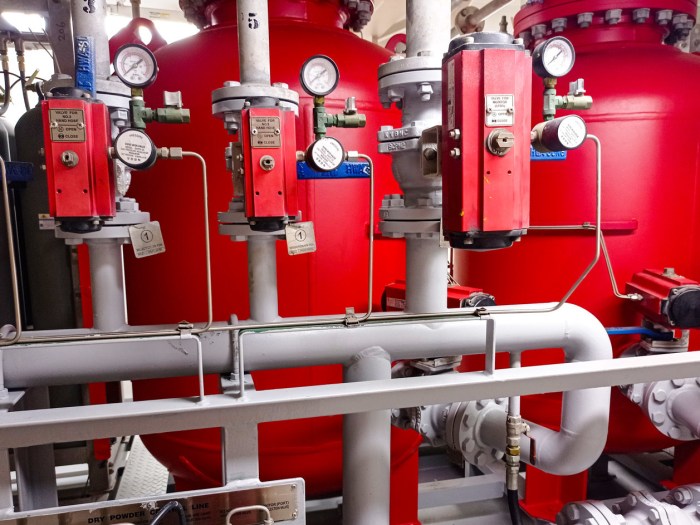
Training and certification are critical components for technicians specializing in fire prevention systems. These programs equip professionals with the necessary skills and knowledge to effectively install, maintain, and inspect fire safety systems. Given the ever-evolving nature of fire safety technology, ongoing education plays a vital role in ensuring that these professionals remain at the forefront of industry standards and practices.
Training Requirements for Fire System Technicians
To become a qualified fire system technician, individuals typically must complete a structured training program that covers a wide range of topics related to fire prevention and control systems. This includes but is not limited to:
- Understanding fire behavior and the principles of fire protection.
- Familiarity with various fire suppression systems, including sprinklers, alarms, and extinguishers.
- Knowledge of relevant codes, standards, and regulations governing fire safety, such as NFPA standards.
- Hands-on training involving the installation and maintenance of fire systems.
- Safety practices and emergency response techniques specific to fire incidents.
The comprehensive nature of this training ensures that technicians are well-prepared to handle both the technical and safety aspects of fire prevention.
Certification Programs for Fire System Installers and Maintainers
Certification programs serve as a benchmark for assessing the competency of fire system professionals. Various organizations offer certification that can enhance career prospects and validate a technician’s expertise. Key certification programs include:
- The National Institute for Certification in Engineering Technologies (NICET) certification for fire alarm systems.
- The National Fire Protection Association (NFPA) certifications for fire protection professionals.
- State-specific licensing requirements that may vary based on local regulations.
Obtaining these certifications involves passing rigorous examinations and often requires a certain amount of practical experience in the field, ensuring that certified individuals possess a high level of proficiency.
Importance of Ongoing Education in Fire Safety Technologies
As fire safety technologies continue to advance, ongoing education is crucial for fire system professionals. Staying updated on the latest developments helps technicians to:
- Adapt to new technologies that enhance fire detection and suppression capabilities.
- Understand changes in codes and regulations that impact fire safety practices.
- Implement best practices learned from industry research and innovations.
Regular training and workshops not only keep skills sharp but also encourage a culture of safety and awareness in the workplace. Continuous professional development ultimately contributes to the overall effectiveness of fire prevention and control systems, leading to safer environments for everyone.
Case Studies on Fire System Implementation
In the realm of fire prevention and control, real-world case studies provide invaluable insights into the effectiveness and challenges of fire system installations. These examples not only showcase successful implementations but also highlight failures that have led to critical lessons in safety and technology enhancement. By analyzing these cases, we can better understand the importance of meticulous planning, execution, and continuous evaluation in fire protection systems.
Successful Fire System Installations
One of the most notable examples of successful fire system installation is the case of the Burj Khalifa in Dubai, the tallest building in the world. This structure incorporates an advanced fire protection system, including a comprehensive network of sprinklers and a fire alarm system designed to provide immediate notification of any fire incidents. The effectiveness of these systems was evident during a fire incident in 2015, where the rapid response of the fire control systems helped to contain the blaze swiftly, minimizing damage and ensuring the safety of occupants.Another case worth noting is the installation of fire protection systems in the Tesla Gigafactory in Nevada.
The factory uses state-of-the-art fire detection technologies, including heat and smoke detectors, paired with a robust sprinkler system. During an electrical fire incident, the fire control systems activated within seconds, effectively controlling the situation before it escalated, showcasing the critical role of innovative technology in modern fire safety measures.
Effectiveness of Fire Control Systems
The effectiveness of fire control systems can be gauged through documented incidents where these systems played a decisive role in preventing major disasters. For instance, a case study from the Grenfell Tower fire in London revealed that the lack of a properly functioning sprinkler system contributed significantly to the rapid spread of the fire. This incident highlighted the need for rigorous inspection and maintenance protocols, along with the necessity of installing effective fire control systems in high-rise buildings.
The lessons learned from this tragedy have prompted changes in building regulations and a renewed focus on fire safety technologies.
Lessons Learned from Failed Fire Prevention Attempts
Examining failed fire prevention attempts can provide crucial learning opportunities. A prominent example is the 2003 fire at the Station nightclub in Rhode Island, which resulted in 100 fatalities. The incident revealed the inadequacies of the existing fire alarm systems and highlighted the importance of regular maintenance and updates. Following this tragedy, the National Fire Protection Association revised many standards, emphasizing the significance of compliance with fire codes and the necessity for ongoing training for personnel responsible for fire safety.Another informative case involved a warehouse fire in 2018, where outdated fire suppression systems failed to operate effectively.
The incident led to significant losses and underscored the critical need for regular audits and updates to outdated systems. Organizations learned to prioritize investments in modern technology and establish proactive maintenance schedules to prevent similar occurrences.
Future Trends in Fire Safety Systems
As the world continues to evolve, so too do the technologies and methodologies designed to enhance fire safety. Future trends in fire safety systems are set to be shaped by advancements in technology, shifts in environmental conditions, and changes in regulatory frameworks. Understanding these trends is crucial for industry professionals as they strive to implement the most effective fire prevention strategies.Emerging technologies are on the forefront of revolutionizing fire prevention and control.
Innovations such as artificial intelligence (AI), drones, and smart sensors are being integrated into fire safety systems, leading to more efficient detection, monitoring, and response capabilities. These technologies not only enhance the speed and accuracy of fire detection but also improve overall building safety.
Impact of Environmental Changes on Fire Safety Systems
Climate change and its resulting environmental shifts are significant factors influencing fire safety systems. An increase in the frequency and intensity of wildfires requires adaptive strategies in fire prevention.
- Wildfire Risk Assessment: Improved models for predicting wildfire behavior are essential. These models utilize meteorological data and vegetation mapping to identify at-risk areas, allowing for timely interventions.
- Fire-Resistant Materials: The development of new building materials that are resistant to extreme heat and flames can prevent the spread of fire. Innovations in fireproofing technologies are being explored to enhance building resilience.
- Urban Planning and Zoning Changes: As urban areas expand into fire-prone regions, zoning regulations will likely shift to minimize risks. This may include mandating defensible space around structures and promoting the use of firebreaks.
Influence of Legislative Changes on the Fire Prevention Industry
Legislation plays a pivotal role in shaping fire safety practices and standards. Regulatory changes can introduce new compliance requirements that impact how fire safety systems are designed, installed, and maintained.
- Increased Standards for Building Codes: Stricter building codes may emerge, mandating the incorporation of advanced fire safety technologies in new constructions, such as automatic sprinkler systems and integrated alarm systems.
- Funding for Research and Development: Government initiatives may allocate funding to encourage research in fire safety technologies, leading to innovative solutions that address evolving challenges in fire prevention.
- Mandatory Training Requirements: Enhanced training and certification requirements for fire safety professionals may be instituted, ensuring that technicians are equipped with the latest knowledge and skills to implement new technologies effectively.
“The future of fire safety systems hinges on our ability to adapt to environmental changes and embrace technological innovations.”
Ending Remarks
In conclusion, understanding the installation and maintenance of systems designed to prevent and control fires. is not just about following regulations; it’s about creating safer environments for everyone. As technology evolves, so do the methods and tools we use, making it essential to stay informed. By prioritizing these systems, we contribute to a proactive approach to fire safety, ultimately minimizing risks and saving lives.
Clarifying Questions
What are the most common fire prevention systems?
Common systems include fire alarm systems, sprinkler systems, and fire suppression systems, each designed to detect and control fires effectively.
How often should fire suppression systems be inspected?
Fire suppression systems should be inspected at least once a year to ensure they are functioning properly and in compliance with local regulations.
Can I install fire alarm systems myself?
While some components can be installed by homeowners, it’s recommended to hire a certified professional for complete installation to ensure compliance with safety standards.
What training is required for fire system professionals?
Technicians typically need specialized training in fire prevention systems, alongside certifications that demonstrate their knowledge and skills in installation and maintenance.
What are the latest technologies in fire prevention?
The latest technologies include advanced fire detection systems using IoT, smart alarms that can send alerts to smartphones, and automated suppression systems that respond faster to fires.