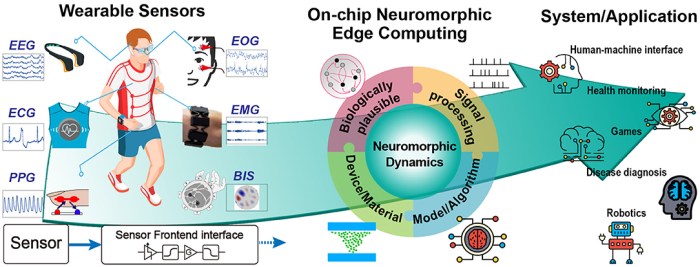
Wearable Health Tech is transforming how we monitor and manage our health, making it easier for individuals to stay informed about their well-being. These devices have evolved significantly, offering everything from basic fitness tracking to advanced medical monitoring, thereby playing a pivotal role in preventive healthcare and chronic disease management.
As we delve deeper, we’ll explore various types of wearable devices, their functionalities, and how they have become essential tools for both personal health management and professional healthcare delivery.
Overview of Wearable Health Tech
Wearable health technology refers to devices that individuals can wear to monitor and track various health metrics, providing insights into their physical well-being. This innovative tech plays a vital role in promoting health awareness, enabling proactive health management, and facilitating data-driven healthcare decisions. The evolution of wearable devices in healthcare has been significant, transitioning from basic fitness trackers to sophisticated gadgets capable of monitoring a wide range of health parameters.
Initially, wearables were primarily focused on tracking physical activity, but advancements in sensors and connectivity have expanded their functionality to include heart rate monitoring, sleep tracking, and even ECG readings. Over the years, this evolution has bridged the gap between consumers and healthcare professionals, allowing for better management of health conditions and facilitating personalized care.
Popular Wearable Health Tech Devices
Several wearable health tech devices have gained popularity due to their diverse functionalities and user-friendly designs. Here are some noteworthy examples:
- Fitbit Charge 5: This fitness tracker not only counts steps and monitors heart rate but also features stress management tools and sleep tracking capabilities. Users can analyze their daily activities and health metrics via a connected app.
- Apple Watch Series 8: Beyond standard timekeeping, this smartwatch provides comprehensive health monitoring, including heart rhythm notifications, sleep tracking, and a blood oxygen app. It integrates seamlessly with other Apple health services.
- Garmin Venu 2: Known for its accuracy in tracking workouts and health metrics, this smartwatch features built-in GPS, advanced sleep tracking, and even offers body battery monitoring, showing users when to rest or engage in activity.
- Oura Ring: A unique approach to wearables, this smart ring focuses on sleep monitoring and recovery insights, offering users a detailed analysis of their sleep patterns and overall readiness for daily activities.
- Whoop Strap 3.0: Marketed mainly towards athletes, this wearable emphasizes recovery and performance metrics, offering insights on strain, recovery status, and sleep quality through continuous heart rate monitoring.
The significance of these devices lies in their ability to empower users to take control of their health through real-time data. The insights derived from wearable health tech can lead to more informed lifestyle choices and timely medical interventions when necessary.
“Wearable health technology is not just a trend; it represents a pivotal shift in how individuals engage with their health.”
Types of Wearable Health Tech
Wearable health technology has transformed the way we approach personal health and fitness, offering innovative solutions to monitor various aspects of our well-being. These devices range from simple fitness trackers to sophisticated medical devices, each designed to provide unique functionalities that cater to different user needs.The notable categories of wearable health technology include fitness trackers, smartwatches, and medical devices. Each type serves distinct purposes, integrating features that help users track their health metrics effectively.
Below, we explore the specific features and uses of each type of wearable health device, providing insights into their impact on health management.
Fitness Trackers
Fitness trackers are popular among fitness enthusiasts and casual users alike. They primarily focus on monitoring physical activity and health metrics.Key features include:
- Step counting: Tracks daily steps taken to encourage physical activity.
- Heart rate monitoring: Provides real-time data on heart rates during exercise and rest.
- Sleep tracking: Analyzes sleep patterns to improve sleep quality.
- Calorie counting: Estimates calories burned based on activity levels.
These devices are designed for individuals aiming to improve their fitness levels and overall well-being.
Smartwatches
Smartwatches combine the functionalities of fitness trackers with advanced smartphone capabilities. They are ideal for tech-savvy users who want both health monitoring and connectivity.Key features include:
- Notifications: Receive calls, messages, and app alerts directly on the wrist.
- GPS tracking: Provides navigation and tracks outdoor activities without a phone.
- Fitness tracking: Offers comprehensive monitoring similar to fitness trackers.
- Health metrics: Tracks heart rate, oxygen saturation, and sometimes ECG readings.
Smartwatches cater to a wide demographic, including busy professionals and fitness enthusiasts who value convenience and connectedness.
Medical Devices
Medical wearable devices are specialized tools designed to provide clinical insights and health monitoring for users with specific medical conditions.Key features include:
- Continuous glucose monitoring: Tracks blood sugar levels for diabetes management.
- Wearable ECG monitors: Records heart activity for individuals with cardiac issues.
- Blood pressure monitors: Measures and tracks blood pressure levels over time.
- Medication reminders: Alerts users when it’s time to take prescribed medications.
These devices are primarily targeted at individuals with chronic health conditions, as they provide critical data to manage health more effectively.
Comparison Table of Wearable Health Tech
The following table summarizes different types of wearable health technology along with their key features and target users:
| Type of Device | Key Features | Target Users |
|---|---|---|
| Fitness Tracker | Step counting, heart rate monitoring, sleep tracking, calorie counting | General fitness enthusiasts |
| Smartwatch | Notifications, GPS tracking, fitness tracking, health metrics | Tech-savvy individuals, busy professionals |
| Medical Device | Continuous glucose monitoring, ECG monitoring, blood pressure monitoring | Individuals with chronic health conditions |
Benefits of Wearable Health Tech
Wearable health technology offers a diverse array of benefits for individuals and healthcare systems alike. By combining convenience with advanced monitoring capabilities, these devices empower users to take charge of their health while facilitating improved patient care.Wearable devices such as smartwatches, fitness trackers, and health monitors serve as vital tools in modern healthcare. They not only enable individuals to track their daily activities and vital signs but also enhance patient monitoring and health outcomes.
With continuous data collection, these devices provide real-time insights into health parameters, making it easier for users to manage chronic conditions and leading to timely interventions by healthcare providers.
Advantages for Individuals
Individuals can reap a multitude of benefits from using wearable health technology. This section delves into the key advantages that wearable devices provide, helping users stay informed and proactive about their health.
- Enhanced Awareness: Wearable devices provide users with instant feedback on their health metrics, fostering a deeper understanding of their body and lifestyle choices.
- Early Detection of Health Issues: Continuous monitoring can aid in the early detection of potential health problems, allowing for prompt medical attention.
- Motivation and Accountability: Many wearable devices include features that encourage users to meet fitness goals, helping to maintain motivation and accountability in health practices.
- Convenience: Wearables offer a hands-free, user-friendly experience, allowing individuals to monitor their health without the need for frequent medical appointments.
Improvements in Patient Monitoring and Health Outcomes
Wearable health tech significantly enhances the ability of healthcare professionals to monitor patients’ conditions, which results in better health outcomes. These technologies facilitate proactive healthcare management, allowing for timely interventions.With the capabilities of wearable devices, healthcare providers can access real-time data, enabling them to track patients’ progress outside of clinical settings. This ongoing monitoring can lead to improved outcomes for patients with chronic conditions such as diabetes and hypertension.
Benefits for Healthcare Providers
Healthcare providers also gain a range of benefits from incorporating wearable health technology into their practice. Understanding these advantages can inform their integration strategies and enhance patient care.
- Improved Patient Engagement: Wearable health tech fosters greater patient involvement in their own health management, leading to better adherence to treatment plans.
- Data-Driven Insights: The continuous stream of data collected by wearables allows for comprehensive analysis and better-informed clinical decisions.
- Cost-Effectiveness: By reducing the need for in-office visits for routine monitoring, wearables can lower healthcare costs while maintaining quality care.
- Enhanced Remote Monitoring: Providers can monitor patients from a distance, making it easier to manage care for those with mobility challenges or who live in remote areas.
Challenges and Limitations
The integration of wearable health technology into healthcare systems presents both opportunities and obstacles. While these devices can enhance patient monitoring and promote healthier lifestyles, there are significant challenges that need to be addressed. This section will explore the hurdles associated with these technologies, including privacy concerns and inherent limitations encountered by users.
Integration Challenges in Healthcare Systems
The adoption of wearable health technology within healthcare systems faces various integration challenges that can hinder its effectiveness. Some key issues include:
- Interoperability: Wearable devices often operate on different platforms and protocols, making it difficult for healthcare providers to integrate data seamlessly into existing health record systems. This lack of standardization can lead to fragmented patient data.
- Regulatory Barriers: The healthcare sector is highly regulated, and wearable devices may face strict compliance requirements. Ensuring that these devices meet regulatory standards can slow down their introduction into mainstream healthcare.
- Healthcare Provider Adoption: Many healthcare professionals may be hesitant to adopt wearable technology due to a lack of training or understanding of how to incorporate these tools into their practice effectively.
Privacy and Security Concerns
As wearable health technologies collect sensitive personal data, they raise significant privacy and security concerns. Ensuring the protection of this information is crucial for user trust and widespread adoption. Key issues include:
- Data Breach Risks: Wearable devices can be vulnerable to hacking and data breaches, potentially exposing users’ health information to unauthorized parties. For instance, a notable case involved a fitness app that experienced a data breach, compromising the personal information of millions of users.
- Informed Consent: Users may not fully understand the extent to which their data is collected, shared, or utilized by third parties, raising ethical questions about informed consent.
- Data Ownership: There is often confusion regarding who owns the data generated by wearable devices. Users may feel uncertain about their rights to access, control, or delete their personal health information.
User Limitations
While wearable health technology has the potential to improve health monitoring, users may face several limitations when utilizing these devices. Understanding these limitations can help users manage expectations and ensure they use the technology more effectively.
- Battery Life: Many wearable devices have limited battery lives, requiring frequent recharging, which can disrupt consistent usage and data tracking.
- Accuracy of Data: Wearable devices may not always provide accurate readings, particularly for metrics like heart rate or oxygen levels. For example, studies have shown discrepancies in heart rate measurements between various devices, which can mislead users about their health status.
- Comfort and Usability: Some users may find certain devices uncomfortable to wear over long periods, leading to less frequent use. Additionally, complicated user interfaces can deter users from fully engaging with the technology.
Future Trends in Wearable Health Tech
The landscape of wearable health technology is evolving rapidly, driven by advancements in technology and an increasing demand for personalized healthcare solutions. As these devices become more sophisticated, they are expected to play a pivotal role in how we monitor, manage, and improve our health. Upcoming trends indicate a significant shift toward more integrated, intelligent, and user-friendly wearable devices.Emerging technologies in wearable health tech are expanding the range of applications and enhancing the functionalities of existing devices.
Innovations such as artificial intelligence, machine learning, and advanced sensors are paving the way for future developments. These technologies are expected to enhance data accuracy, provide real-time health insights, and enable predictive analytics that could revolutionize healthcare delivery.
Anticipated Developments in Wearable Health Tech
The next decade promises exciting changes in wearable health technology. These anticipated developments will not only improve individual health management but also transform how healthcare providers interact with patients. Here’s a look at some key trends:
| Current Trends | Anticipated Developments (Next Decade) |
|---|---|
| Basic fitness tracking (steps, heart rate) | Advanced biometrics (blood glucose, hydration levels) |
| Single-function devices (e.g., smartwatches, fitness bands) | Multi-functional devices (integrating health monitoring with daily activities) |
| Manual data entry and tracking | Automated data collection using AI and machine learning |
| Standalone functionalities | Seamless integration with telehealth solutions and electronic health records (EHR) |
| Basic notification systems | Smart alerts based on real-time health metrics and trends |
Predictive analytics will become increasingly commonplace, enabling wearables to alert users and healthcare professionals to potential health issues before they escalate. For example, a smartwatch might analyze heart rate variability and notify the wearer of potential arrhythmias, prompting timely medical intervention. As wearable technology continues to expand into areas such as chronic disease management and mental health monitoring, the integration of augmented reality (AR) and virtual reality (VR) into health applications is also expected.
These technologies can facilitate immersive training for healthcare providers and enhance rehabilitation experiences for patients.In essence, the future of wearable health tech is not just about tracking health metrics but also about creating a proactive healthcare ecosystem that empowers users and providers alike. The intersection of these emerging technologies with healthcare is set to redefine personal wellness and medical practices in profound ways.
Regulatory and Compliance Issues
The regulatory landscape surrounding wearable health technologies is crucial for ensuring the safety, efficacy, and privacy of users. With the rise of wearable devices that monitor health metrics, the need for a robust regulatory framework has become increasingly evident. This framework aims to protect consumers while fostering innovation in the health tech industry.Compliance with health regulations is vital in the development of wearable devices.
These regulations ensure that products meet specific safety and effectiveness standards before they reach consumers. Non-compliance can result in significant legal repercussions, including fines and market withdrawal, as well as damage to a company’s reputation.
Key Organizations in Governing Wearable Health Tech Standards
Understanding the role of regulatory bodies is essential for navigating the landscape of wearable health technologies. Various organizations are responsible for setting the standards that govern the development and usage of these devices. Here are some of the key organizations and their functions:
- FDA (Food and Drug Administration): The FDA oversees the approval of wearable devices in the United States, ensuring they are safe and effective for public use. They classify devices into categories based on risk and provide guidelines for manufacturers to follow.
- CE (Conformité Européenne): In Europe, CE marking indicates that a product complies with EU safety, health, and environmental protection standards. Wearable health devices must obtain CE certification to be marketed in European countries.
- ISO (International Organization for Standardization): The ISO develops international standards, including those that apply to medical devices and health tech. These standards ensure quality and safety in manufacturing processes.
- HIPAA (Health Insurance Portability and Accountability Act): In the United States, HIPAA establishes regulations for the protection of patient information, directly impacting how wearable devices handle and store health data.
- FDA’s Digital Health Center of Excellence: This division within the FDA focuses specifically on digital health technologies, including wearables. It provides guidance and support to companies developing innovative health solutions.
The cooperation of these organizations creates a framework that promotes innovation while ensuring consumer safety. Compliance with regulations not only protects users but also enhances the credibility of the wearable health tech sector.
User Experience and Engagement
The user experience (UX) design significantly influences the adoption and effectiveness of wearable health technologies. A seamless, intuitive experience encourages users to engage with their devices regularly, ultimately enhancing their health management. The ability to interact positively with technology can make a considerable difference in whether individuals stick with a device or abandon it. Effective user experience design encompasses aesthetics, functionality, and emotional engagement.
A well-designed wearable health device should not only look appealing but also be easy to use and emotionally resonate with users. The more connected a user feels to their device, the more likely they are to engage with it consistently.
Strategies for Enhancing User Engagement
Enhancing user engagement with wearable health tech requires a multifaceted approach. Implementing strategies that foster ongoing interaction and satisfaction can lead to higher adoption rates and improved health outcomes. One effective strategy is personalized notifications that provide timely reminders or insights based on individual health data. This keeps users informed and encourages them to reach their health goals. Another strategy is gamification, where users can achieve rewards or milestones as they make progress, adding an element of fun to health tracking.To further assist manufacturers in improving engagement, here are some best practices for usability:
- Design for Simplicity: Ensure that the interface is clean and intuitive, allowing users of all tech-savviness levels to navigate effortlessly.
- Prioritize Data Visualization: Present health data in a visually appealing and easily digestible format, such as graphs and charts, to help users understand their progress.
- Incorporate User Feedback: Regularly solicit and analyze user feedback to make iterative improvements to the device and its features.
- Ensure Comfort and Wearability: Design the device to be comfortable for extended use, considering factors like weight, material, and fit.
- Enhance Connectivity: Ensure that the device easily syncs with other health apps or devices for a more comprehensive view of health data.
“The success of wearable health technologies hinges on their ability to engage users consistently.”
By focusing on these strategies and best practices, manufacturers can significantly enhance user experience and engagement, ultimately leading to better health outcomes for users.
Case Studies
Wearable health technology has made significant strides in healthcare settings, showcasing how innovation can improve patient outcomes. By examining successful implementations, we can gain insights into the effectiveness of these technologies and the lessons learned from their real-world applications. One standout example comes from the realm of chronic disease management, where wearable devices play a pivotal role in monitoring patients’ health metrics in real-time.
The following case studies illustrate successful implementations and their profound impact on patient care.
Case Study: Diabetes Management with Continuous Glucose Monitors (CGMs)
In a comprehensive pilot program, a healthcare system integrated Continuous Glucose Monitors (CGMs) among patients with Type 1 diabetes. The initiative aimed to improve glycemic control and reduce hospital admissions.
Implementation
Patients were equipped with CGMs that provided real-time glucose readings and alerts for high or low blood sugar levels. This data was shared with healthcare providers through a mobile application.
Outcomes
Improved Glycemic Control
Participants showed a significant reduction in HbA1c levels, indicating better blood sugar management.
Reduced Hospital Visits
There was a 30% decrease in emergency room visits related to diabetes complications.
Enhanced Patient Engagement
Increased awareness of personal health metrics led to better self-management practices.Key takeaways:
- Real-time monitoring can significantly enhance patient self-management.
- Integration of data with healthcare providers fosters a collaborative approach to chronic disease management.
- Continuous feedback mechanisms contribute to sustained patient engagement.
Case Study: Remote Monitoring for Heart Failure Patients
A healthcare facility deployed wearable heart monitors to patients with congestive heart failure (CHF) to facilitate remote patient monitoring and timely interventions.
Implementation
Patients wore smart devices that continuously tracked vital signs like heart rate and blood pressure. Alerts were sent to healthcare teams if metrics fell outside of predefined thresholds.
Outcomes
Early Intervention
The program enabled healthcare providers to detect worsening symptoms early, resulting in timely interventions that prevented hospital readmissions.
Patient Empowerment
Patients reported feeling more in control of their health as they actively participated in monitoring their conditions.
Cost Savings
The healthcare organization experienced a decrease in hospital costs associated with CHF management.Key takeaways:
- Wearable technology can lead to significant reductions in hospital readmissions for chronic conditions.
- Empowering patients through technology fosters a proactive approach to health management.
- Early detection of adverse health events can enhance clinical outcomes and reduce costs.
Case Study: Wearables in Post-Surgical Recovery
A surgical center adopted wearable devices to monitor patients post-surgery, focusing on complications and recovery progress.
Implementation
Patients received devices that tracked metrics such as physical activity levels, heart rate, and recovery milestones. Data was monitored by healthcare professionals remotely.
Outcomes
Improved Recovery Times
Patients using wearables showed a 25% faster recovery rate compared to those without monitoring assistance.
Reduced Complications
The incidence of post-operative complications dropped significantly, attributed to timely interventions based on monitored data.
Better Patient Satisfaction
User feedback highlighted increased satisfaction due to the personalized attention and support provided through remote monitoring.Key takeaways:
- Wearable technology can enhance recovery speed and reduce surgical complications.
- Remote monitoring serves as a valuable tool for postoperative care and rehabilitation.
- Patient satisfaction improves when they receive tailored support during recovery.
Wrap-Up
In summary, Wearable Health Tech represents a significant advancement in healthcare, providing both users and providers with valuable tools for better health outcomes. As technology continues to evolve, so too will the potential applications of these devices, paving the way for a future where healthcare is more proactive and personalized.
Questions and Answers
What types of data can wearable health tech collect?
Wearable health tech can collect various data, including heart rate, activity level, sleep patterns, and even blood pressure or glucose levels in advanced devices.
Are there any privacy concerns with wearable health tech?
Yes, there are privacy concerns regarding the data collected by these devices, as unauthorized access or misuse of personal health information could occur.
Can wearable health tech replace regular doctor’s visits?
While wearable health tech can enhance monitoring, it should complement, not replace, regular check-ups and consultations with healthcare professionals.
How accurate is the data from wearable health devices?
The accuracy of data can vary by device and manufacturer, but many are designed to meet high standards, though they should not be solely relied upon for critical health decisions.
How do I choose the best wearable health tech for me?
Consider your health goals, the specific features you need, comfort, compatibility with other devices, and budget when choosing a wearable health tech device.