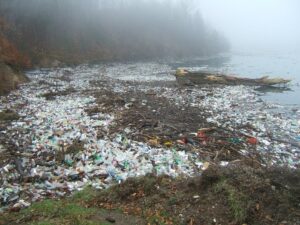
Forest Restoration Projects play a crucial role in reviving ecosystems and ensuring the health of our planet. These initiatives not only aim to restore the landscapes we’ve lost but also focus on rebuilding the intricate relationships between flora and fauna. From reforestation to community-led efforts, the journey of restoring forests is both fascinating and vital for our future.
By exploring the various techniques employed globally, the environmental and social benefits of these projects, and the challenges they face, we can appreciate the significant impact they have on biodiversity, climate, and local communities. Successful examples from around the world showcase the innovative strategies and collaborative spirit necessary to breathe life back into our forests.
Introduction to Forest Restoration Projects
Forest restoration refers to the process of assisting the recovery of forested ecosystems that have been degraded, damaged, or destroyed. This practice is crucial for ecosystem recovery as it enhances biodiversity, improves soil stability, and contributes to carbon sequestration. The importance of forest restoration extends beyond environmental benefits; it also supports local communities and economies by providing resources, improving livelihoods, and promoting sustainable practices.Historically, forest restoration efforts have evolved significantly, with roots tracing back to ancient civilizations that practiced selective logging and replanting.
In the 20th century, large-scale deforestation sparked a global movement towards restoration, driven by the recognition of the ecological services forests provide. As awareness of climate change and biodiversity loss grew, so did initiatives aimed at reversing these trends. Successful global projects showcase the potential of restoration, often serving as models for future efforts.
Successful Global Forest Restoration Examples
Examining successful forest restoration projects illustrates the diverse strategies and positive outcomes achievable through these initiatives. The following examples highlight the significance and effectiveness of forest restoration efforts around the world:
- The Bonn Challenge: Launched in 2011, this global initiative aims to restore 150 million hectares of deforested and degraded land by 2020, with a goal of 350 million hectares by 2030. Countries like Rwanda and Brazil have made significant progress in meeting their restoration commitments, leading to improved biodiversity and carbon capture.
- China’s Grain for Green Program: Initiated in 1999, this program incentivizes farmers to convert cropland back into forested areas. As a result, millions of hectares have been restored, leading to enhanced environmental stability and reduced soil erosion.
- New Zealand’s Million Trees Program: Aiming to plant one million trees by 2028, this initiative not only focuses on reforestation but also emphasizes community involvement and education. The program is designed to combat climate change while enriching local biodiversity.
The achievements of these projects serve as inspiration and provide valuable insights into effective strategies for forest restoration. They underline the potential for positive environmental change through committed efforts and collaborative approaches.
Types of Forest Restoration Techniques
Forest restoration techniques are essential for reviving degraded ecosystems and enhancing biodiversity. They involve a range of practices tailored to restore the health and function of forested areas. Understanding these techniques helps in choosing the appropriate method for specific environmental conditions and restoration goals.One of the primary methods for forest restoration is reforestation, which involves replanting trees in previously forested areas that have been cleared or degraded.
Afforestation goes a step further by establishing new forests in areas that were not previously forested, providing habitats and sequestering carbon. Agroforestry combines agricultural practices with tree planting, enhancing land productivity while supporting ecosystem restoration.
Comparison of Natural Regeneration and Active Planting Methods
Natural regeneration occurs when trees and plants re-establish themselves without human intervention in disturbed areas. This method leverages the existing seed bank and ecological processes, often leading to diverse plant communities. Active planting, on the other hand, involves human efforts to plant trees and other vegetation in a specific area. Both methods have their advantages and contexts where they excel.Natural regeneration can be cost-effective and encourages the re-establishment of native species adapted to local conditions.
However, it might take longer to achieve the desired results, particularly in severely degraded environments. Active planting can expedite the restoration process and is particularly useful when the seed bank is depleted or when rapid restoration is required for ecological or economic reasons.
“While natural regeneration can foster biodiversity, active planting can be essential for immediate restoration needs.”
Role of Indigenous Knowledge in Forest Restoration Practices
Indigenous knowledge plays a crucial role in forest restoration, offering insights and practices honed over generations. Indigenous communities often have deep connections to their local environments and a profound understanding of ecosystem dynamics, making their contributions invaluable.For instance, traditional ecological knowledge may involve the use of culturally significant plant species that not only restore ecosystems but also preserve cultural heritage.
This knowledge helps in selecting appropriate species, understanding seasonal cycles, and implementing sustainable land management practices. By integrating indigenous methods with scientific approaches, restoration projects can be more effective and culturally sensitive.
“Incorporating Indigenous knowledge leads to more holistic and sustainable forest restoration outcomes.”
Effective forest restoration is achieved through a combination of techniques tailored to specific environmental contexts. By understanding different methods and valuing Indigenous knowledge, we can foster healthier ecosystems and resilient communities.
Benefits of Forest Restoration
Restoring forests brings a multitude of benefits that extend beyond just the trees. From enhancing biodiversity to supporting local economies, the advantages of forest restoration are profound and far-reaching. Understanding these benefits can inspire more individuals and communities to engage in restoration efforts, paving the way for a healthier planet.
Environmental Benefits of Forest Restoration
Restoring forests plays a crucial role in environmental conservation. One of the most significant benefits is the enhancement of biodiversity. Forests are home to about 80% of the world’s terrestrial species. By restoring degraded areas, we create habitats for flora and fauna, allowing ecosystems to flourish. This not only helps to preserve endangered species but also encourages genetic diversity, which is vital for resilient ecosystems.Moreover, forest restoration contributes significantly to climate change mitigation.
Healthy forests act as carbon sinks, absorbing carbon dioxide from the atmosphere. According to the Global Forest Watch, reforestation and afforestation can sequester over 3 billion tons of carbon dioxide annually. Additionally, restored forests regulate local climates, reduce soil erosion, and improve water quality by filtering pollutants from runoff.
Economic Advantages of Forest Restoration
The economic impacts of forest restoration are equally compelling. Investing in forest restoration projects creates jobs and stimulates local economies. Restoration activities often require labor-intensive work such as planting trees, maintaining ecosystems, and managing wildlife. For instance, the U.S. Forest Service has reported that every $1 million invested in forest restoration generates approximately 30 jobs in local communities.Sustainable forestry practices, which are often part of restoration efforts, can ensure a steady supply of timber and non-timber products.
This leads to long-term economic stability for communities dependent on forest resources. By promoting eco-tourism, regions can further benefit economically, as visitors are drawn to restored natural areas for recreational activities like hiking, bird watching, and camping.
Social Impacts of Forest Restoration
The social impacts of forest restoration can significantly enhance the livelihoods of local communities. As forests are restored, they provide essential resources such as food, medicine, and materials for shelter. Traditional practices can be revitalized, connecting communities back to their cultural heritage and fostering a sense of ownership over local environments.Furthermore, restored forests can enhance community resilience against natural disasters.
Ecosystem services, such as flood regulation and soil stabilization, help communities better withstand climate-related extremes. For example, in the Philippines, reforestation efforts have been shown to reduce the impact of landslides, directly protecting local populations and their properties.Restoration projects often encourage community participation, leading to increased awareness and education about environmental stewardship. This collective effort can strengthen social ties, promote teamwork, and develop leadership skills among participants, ultimately leading to empowered communities that can advocate for sustainable development.
Challenges in Forest Restoration Projects
Restoring forests is a noble endeavor that aims to revive ecosystems, enhance biodiversity, and combat climate change. However, various challenges can impede the progress of these projects. Addressing these obstacles is crucial for successful restoration efforts and sustainable forest management.
Funding Issues and Land Tenure Conflicts
Securing adequate funding is one of the primary challenges faced in forest restoration projects. Many initiatives rely on grants and donations, which can be unpredictable and insufficient to cover long-term efforts. In addition, land tenure conflicts often arise, particularly in regions where multiple stakeholders have competing claims or interests regarding land use. This can lead to delays and disputes, ultimately hindering restoration efforts.
The following points highlight some key aspects of these challenges:
- Limited Financial Resources: Many restoration projects face budget constraints that limit their scope and duration.
- Competing Interests: Stakeholders such as local communities, governments, and private enterprises may have conflicting goals for land use.
- Policy and Regulation Complexity: Navigating legal frameworks related to land ownership and use can be a barrier to initiating restoration projects.
Impact of Invasive Species
Invasive species pose a significant threat to forest restoration efforts, often outcompeting native plants and disrupting local ecosystems. They can hinder the growth of indigenous species that are essential for the restoration of a balanced ecosystem. Effective management strategies are therefore critical to mitigate their impact. Key considerations include:
- Identification and Monitoring: Regularly assessing the presence of invasive species is crucial for timely intervention.
- Control Measures: Implementing physical, chemical, or biological control methods can help manage invasive species populations.
- Replanting Native Species: After removal of invasives, reintroducing native plants can aid in restoring ecological balance.
Climate Change as a Challenge
Climate change significantly complicates forest restoration efforts by altering ecosystems and affecting species viability. Changes in temperature and precipitation patterns can influence plant growth, survival rates, and species distribution. Such dynamics can pose challenges to selecting appropriate species for restoration. To navigate these climate-related challenges, consider the following strategies:
- Climate-Resilient Species Selection: Choosing species that are more adaptable to changing climatic conditions can improve restoration success.
- Adaptive Management Practices: Implementing flexible management strategies that can adjust to climate variations is essential for long-term resilience.
- Monitoring Ecosystem Responses: Regularly observing how ecosystems respond to climate changes can inform future restoration actions.
“Addressing climate change in forest restoration is not just a challenge; it’s an opportunity to create resilient ecosystems for future generations.”
Case Studies of Notable Forest Restoration Projects
The field of forest restoration is rich with diverse methodologies and outcomes, showcasing both successes and failures. This section delves into specific case studies that exemplify the various approaches to restoring forest ecosystems. By examining successful initiatives alongside contrasting methods, valuable insights can be gleaned, along with lessons from less successful attempts.
Successful Forest Restoration Projects
One notable success story in forest restoration is the reforestation project in the Atlantic Forest of Brazil. This once-thriving ecosystem saw drastic deforestation due to agricultural expansion and urban development. The project employed a mixed-method approach that included direct seeding, planting native tree species, and engaging local communities in conservation efforts. The outcomes were significant; not only was over 3 million hectares of forest restored, but local biodiversity also increased, with many native species returning to the area, positively impacting wildlife habitats and promoting ecological balance.
Contrasting Approaches to Forest Restoration
Two contrasting restoration projects highlight different methodologies and outcomes: the Bonn Challenge in Germany and the afforestation efforts in the Sahara Desert. The Bonn Challenge focuses on restoring degraded forest landscapes by emphasizing legal frameworks, sustainable land use practices, and community involvement. This project has led to the restoration of over 150 million hectares of forest globally with a strong emphasis on biodiversity.In contrast, the Sahara afforestation project primarily entails planting trees in arid desert regions, employing techniques such as using shelterbelts and drip irrigation to promote survival in harsh climates.
While this project has increased green cover, it has faced challenges regarding long-term sustainability due to water scarcity and soil quality. The contrast in these approaches demonstrates the importance of context and local conditions in determining the success of forest restoration efforts.
Lessons from Failed Forest Restoration Projects
Examining failed forest restoration projects provides critical insights for future endeavors. One significant example is the failed reforestation efforts in the Loess Plateau of China during the 1990s. The project aimed to combat soil erosion through tree planting. However, it faced challenges such as selecting inappropriate species for the climate, lack of community engagement, and insufficient understanding of the local ecology.
While initial planting appeared successful, many trees died due to lack of proper care and poor adaptability to the environment.Key lessons learned from such failures include the necessity of involving local communities in the planning and execution phases and choosing species that are ecologically appropriate for the area. Additionally, a comprehensive understanding of the socio-economic conditions of the local population is vital to ensure that restoration projects are sustainable.
A focus on adaptive management practices, where projects are continually assessed and modified based on ecological feedback, is essential for improving the efficacy of future restoration efforts.
Community Involvement in Forest Restoration
Community engagement plays a crucial role in the success of forest restoration projects. When local communities participate actively, they bring invaluable knowledge, skills, and perspectives that enhance the effectiveness and sustainability of restoration efforts. Engaging communities fosters a sense of ownership and responsibility towards the environment, ultimately leading to better outcomes for both the forests and the people who depend on them.Community involvement also ensures that restoration efforts are culturally appropriate and aligned with local needs.
By including community voices in the planning and execution of projects, restoration initiatives can address specific environmental, social, and economic challenges faced by these communities. This collaborative approach not only strengthens the ecological health of the area but also bolsters community resilience.
Strategies for Encouraging Local Community Participation
To effectively engage local communities in forest restoration initiatives, a variety of strategies can be employed. Each approach aims to foster relationships, build trust, and create opportunities for collaborative action.
- Education and Awareness Campaigns: Conduct workshops, seminars, and informational sessions that highlight the importance of forest restoration and its benefits for the community.
- Incentives for Participation: Offer incentives such as financial compensation, access to resources, or recognition programs for individuals and groups who contribute to restoration efforts.
- Partnerships with Local Organizations: Collaborate with schools, NGOs, and other local entities to leverage their existing networks and enhance outreach efforts.
- Hands-on Participation Opportunities: Organize volunteer days where community members can work side by side with restoration experts, allowing them to learn by doing.
- Incorporating Traditional Knowledge: Acknowledge and integrate local ecological knowledge into restoration plans, making community members feel valued and engaged in the process.
- Creating a Community Advisory Board: Establish a board that includes community members to provide input and guidance for restoration projects, ensuring their voices are heard.
Examples of Community-led Forest Restoration Projects
Numerous community-led forest restoration projects have demonstrated significant environmental and social impacts, showcasing the effectiveness of local involvement. One remarkable example is the “Green Belt Movement” in Kenya, founded by Nobel Laureate Wangari Maathai. This grassroots organization mobilized women to plant trees and restore degraded lands, leading to reforestation, improved biodiversity, and enhanced community livelihoods. The movement has successfully planted over 51 million trees and empowered countless women through environmental education and leadership training.Another notable case is the “Forest Restoration Program” in Brazil’s Atlantic Forest, where local communities have been engaged in the restoration of native vegetation.
Through cooperative efforts, these communities have restored thousands of hectares of degraded land, improving ecosystem services like water quality and habitat for wildlife. Moreover, the program has fostered sustainable agriculture practices, providing economic benefits to local farmers while enhancing forest health.These examples illustrate the profound impact of community-led initiatives in achieving successful forest restoration, demonstrating that when communities are empowered and involved, both the environment and society can thrive.
Future Trends in Forest Restoration
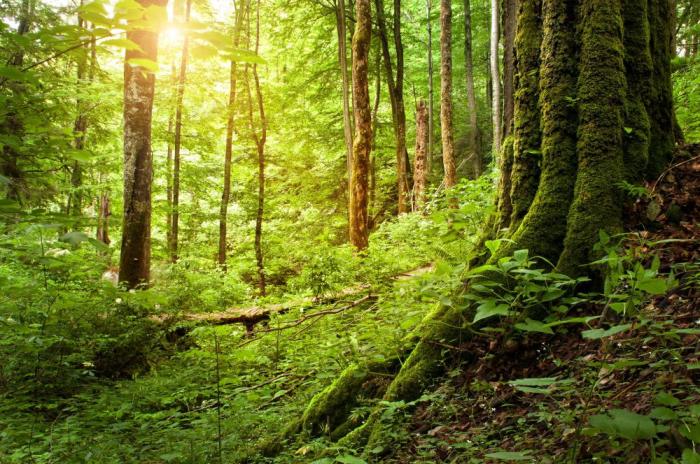
As the global focus on climate change and biodiversity loss intensifies, forest restoration is evolving rapidly. Innovative technologies and new approaches are emerging, aimed at increasing the efficiency and effectiveness of restoration efforts. This section explores the exciting future trends that promise to reshape how we restore forests, enhance biodiversity, and combat the impacts of climate change.
Emerging Technologies in Forest Restoration
Innovative technologies are transforming the landscape of forest restoration, making it more efficient and scalable. One notable example is drone planting, which allows for the rapid distribution of seeds over large areas, overcoming the limitations of traditional planting methods. This technology not only saves time but also significantly reduces labor costs and physical strain on workers. Genetic engineering of trees is another groundbreaking trend.
By identifying and manipulating specific genes, scientists can develop trees that are more resilient to diseases, pests, and changing climatic conditions. For instance, traits such as faster growth rates or enhanced carbon sequestration capabilities can be engineered into tree species, making them more suitable for restoration in challenging environments.
Future Research Areas and Innovations
To further improve restoration outcomes, several promising research areas are being explored. One key area is the study of soil health and its interaction with plant growth. Healthy soil is fundamental to successful forest restoration as it influences water retention, nutrient availability, and overall ecosystem resilience. Research into soil microbiomes can reveal how specific microorganisms contribute to plant health, leading to more effective restoration practices.Another critical research focus is the understanding of forest resilience—how ecosystems recover from disturbances like wildfires, storms, or pest invasions.
Innovations such as hybrid forestry, which combines native and non-native species for increased resilience and productivity, are being tested for their long-term viability.
Potential Role of Policy Changes
Policy changes play a significant role in enhancing forest restoration efforts. Governments can incentivize restoration initiatives through financial support, grants, and tax breaks for landowners who engage in restoration activities. For example, programs that provide funding for reforestation or afforestation projects can motivate private landowners to participate in conservation efforts.Additionally, international policies aimed at combating climate change, such as the Paris Agreement, encourage nations to invest in forest restoration as a means to meet their carbon reduction targets.
Establishing clear guidelines and frameworks for sustainable forestry practices can also help ensure that restoration efforts align with broader environmental goals. In summary, the future of forest restoration looks promising, with emerging technologies, innovative research, and supportive policies paving the way for more effective and sustainable practices. The continued integration of these elements will be crucial in addressing the challenges facing global forests and the benefits they provide to our planet.
Last Point
In summary, the journey of Forest Restoration Projects reflects our commitment to nurturing the environment and fostering sustainable practices. As we face ongoing challenges such as climate change and land conflicts, these projects remind us of the power of collective action and the importance of learning from past experiences. Together, we can pave the way for a greener future, ensuring that our forests thrive for generations to come.
Clarifying Questions
What is the main goal of forest restoration projects?
The primary goal is to restore ecological balance by rebuilding forest ecosystems that have been damaged or destroyed.
How do forest restoration projects benefit local communities?
They create jobs, enhance livelihoods through sustainable practices, and promote community engagement in conservation efforts.
What challenges do forest restoration projects commonly face?
Challenges include funding shortages, land tenure conflicts, invasive species, and the impacts of climate change.
Can urban areas benefit from forest restoration?
Yes, urban forest restoration can improve air quality, provide recreational spaces, and enhance biodiversity in cities.
What role does technology play in forest restoration?
Emerging technologies like drone planting and genetic engineering can enhance restoration efficiency and effectiveness.