Vertical farming is transforming the way we think about food production in urban spaces. By utilizing innovative methods that stack crops vertically rather than spreading them out horizontally, this approach not only maximizes space but also optimizes resource use. As cities grow and the demand for fresh produce increases, vertical farming stands out as a sustainable solution to meet these challenges.
From its historical roots to modern advancements, vertical farming has evolved significantly, incorporating technologies like hydroponics and aeroponics to enhance growth efficiency. As we explore the various types of vertical farming systems, it’s clear that this method holds promise for creating a more sustainable agricultural future.
Introduction to Vertical Farming
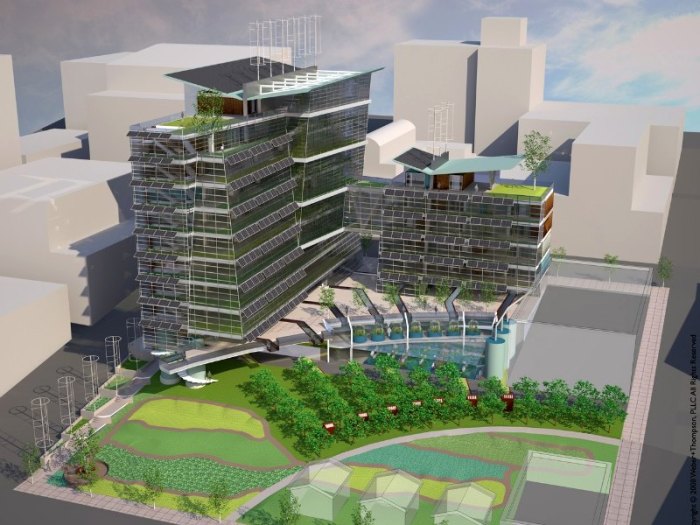
Vertical farming is an innovative agricultural practice where crops are grown in stacked layers or vertically inclined surfaces, often integrated into structures such as skyscrapers, shipping containers, or warehouses. This method addresses the challenges posed by urbanization and climate change, providing a sustainable solution to food production in densely populated areas. By utilizing artificial lighting, climate control systems, and hydroponics or aeroponics, vertical farming significantly reduces land usage while maximizing yield and minimizing the carbon footprint associated with traditional farming practices.The origins of vertical farming can be traced back to the 20th century, where initial concepts were more theoretical.
The idea began to gain traction in the 1990s when Dr. Dickson Despommier, a professor of public health, advocated for urban farming strategies to combat food scarcity. Over the years, technological advancements in LED lighting, nutrient delivery systems, and automation have transformed vertical farming from a concept into a viable agricultural solution. Today, various systems have emerged, each with unique characteristics and applications, paving the way for this modern agricultural revolution.
Types of Vertical Farming Systems
Understanding the different types of vertical farming systems is crucial for recognizing their respective benefits and applications. Each system varies in design, technology, and cultivation method, offering diverse solutions to meet food production needs.
- Hydroponic Systems: These systems grow plants in a nutrient-rich water solution, eliminating the need for soil. Hydroponics can be further categorized into different methods such as nutrient film technique (NFT) and deep water culture (DWC), allowing plants to thrive in controlled environments.
- Aeroponic Systems: Aeroponics involves suspending plant roots in air and misting them with a nutrient solution. This method requires less water and allows for faster growth rates, making it an efficient choice for high-density crop production.
- Soil-Based Vertical Farming: Although less common, some vertical farms still utilize soil as a growing medium. These systems often integrate traditional farming techniques with vertical stacking to optimize space while maintaining soil health.
- Hybrid Systems: Combining various methods, hybrid systems might integrate hydroponics and aeroponics or blend soil with soilless technologies. This adaptability allows farmers to tailor their approaches to specific crop needs and environmental conditions.
“The future of agriculture lies in the ability to grow food in urban centers, where it is most needed, using cutting-edge technology to replicate ideal growing conditions.”
Vertical farming is not just about the method; it encompasses a variety of systems that cater to different agricultural needs. Each type contributes uniquely to the sustainability and efficiency of food production in an increasingly urbanized world.
Benefits of Vertical Farming
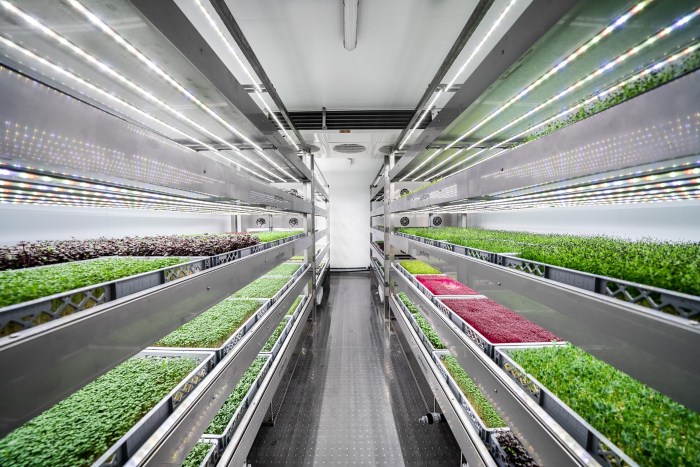
Vertical farming offers a multitude of advantages that extend beyond just growing food. This innovative approach to agriculture has the potential to transform our food systems, address environmental concerns, and bolster local economies. Let’s dive into the various benefits that vertical farming brings to the table.
Environmental Benefits of Vertical Farming
Vertical farming significantly reduces the environmental impact of traditional farming methods. By utilizing advanced technologies and controlled environments, it minimizes land and water usage while maximizing crop yields. Here are some key environmental benefits:
- Water Conservation: Vertical farms use up to 90% less water compared to conventional farming, thanks to recirculating systems that minimize waste.
- Reduction in Pesticide Use: The controlled environments in vertical farms reduce the need for harmful pesticides, promoting healthier crops and ecosystems.
- Lower Carbon Footprint: By growing food closer to urban centers, vertical farming decreases transportation emissions, contributing to lower overall carbon emissions.
- Biodiversity Preservation: Vertical farming reduces the need for extensive land conversion, helping preserve natural habitats and biodiversity.
Contribution to Food Security and Sustainability
Vertical farming plays a crucial role in enhancing food security, particularly in urban areas where land is scarce. This method can ensure a consistent and reliable food supply. Its key contributions include:
- Year-Round Production: Vertical farms can operate regardless of seasonal changes, providing fresh produce throughout the year.
- Local Food Production: By growing food in urban settings, vertical farming reduces reliance on long supply chains, making fresh food more accessible to city dwellers.
- Resilience to Climate Change: Vertical farms are less susceptible to extreme weather events, ensuring food production remains stable even amidst climate fluctuations.
- Community Engagement: Vertical farms can promote local food movements, fostering community connections through shared agricultural practices.
Economic Advantages of Vertical Farming for Urban Areas
Beyond environmental benefits, vertical farming also presents significant economic advantages, particularly in urban settings where traditional agriculture is challenging. The economic aspects include:
- Job Creation: Vertical farms require a range of skills, from technology management to agricultural expertise, leading to new job opportunities in urban regions.
- Reduced Transportation Costs: Locally grown food means lower costs for transport and distribution, which can translate to savings for consumers.
- Higher Crop Yields: Vertical farming allows for more intensive crop production in smaller spaces, potentially leading to greater profitability for urban farmers.
- Innovation and Investment: The rise of vertical farming attracts investments in technology and infrastructure, boosting local economies and driving innovation in food production.
Technologies Used in Vertical Farming
Vertical farming employs a range of advanced technologies to create efficient and sustainable agricultural practices. These innovations not only optimize space but also enhance plant growth and resource management. By utilizing methods such as hydroponics and aeroponics, combined with automation and artificial intelligence, vertical farms are revolutionizing how we produce food.
Hydroponics and Aeroponics
Hydroponics and aeroponics are two pivotal technologies that facilitate vertical farming. Hydroponics involves growing plants in a nutrient-rich water solution, eliminating the need for soil. This method allows for precise control over nutrient delivery, resulting in faster growth rates and higher yields. On the other hand, aeroponics utilizes a mist environment to deliver nutrients directly to plant roots, promoting even greater efficiency and reducing water usage significantly.
The advantages of these systems include:
- Water Efficiency: Hydroponic systems can use up to 90% less water than traditional farming methods.
- Space Optimization: Vertical farming can produce a higher volume of crops in a smaller footprint compared to horizontal farming.
- Faster Growth Cycles: With direct access to nutrients and optimal conditions, crops can grow at an accelerated pace.
Automation and Artificial Intelligence
Automation and artificial intelligence play critical roles in enhancing the efficiency of vertical farming operations. Automated systems can handle tasks such as planting, harvesting, and monitoring environmental conditions, which reduces labor costs and minimizes human error. AI algorithms analyze data from sensors to optimize growing conditions, predicting the best times for planting and harvesting based on variables like temperature, humidity, and light exposure.
The integration of technology supports:
- Data-Driven Decisions: AI can provide insights into crop health and productivity trends, allowing for timely interventions.
- Resource Management: Automation helps to reduce waste of water, nutrients, and energy, promoting sustainability.
- Consistent Quality: By maintaining optimal conditions, AI contributes to uniform crop quality and reduced variance in produce.
LED Lighting Systems
LED lighting systems are crucial in vertical farming, providing the necessary light spectrum for photosynthesis while being energy-efficient. These systems can be fine-tuned to emit specific wavelengths that favor the growth stages of different plants, maximizing light absorption and minimizing energy waste. Significant features of LED lighting in vertical farms include:
- Energy Efficiency: LEDs consume significantly less energy compared to traditional grow lights, leading to lower operational costs.
- Customizable Light Spectrum: Different plant species can thrive under tailored light conditions, enhancing growth and yield.
- Heat Management: LEDs generate less heat, reducing the need for additional cooling systems in controlled environments.
Challenges Facing Vertical Farming
Despite the numerous advantages of vertical farming, there are significant challenges and limitations that can hinder its growth and success. Understanding these hurdles is essential for anyone looking to venture into this innovative agricultural sector. From economic concerns to regulatory challenges, the landscape of vertical farming is complex, requiring careful navigation for sustainable operation.
Major Challenges and Limitations
Vertical farming faces several notable challenges that can impact feasibility and scalability. These include high initial investment costs, ongoing operational expenses, and technical complexities associated with maintaining optimal growing conditions. As technologies advance, the reliance on systems that manage light, temperature, and humidity increases, which can lead to substantial electricity costs.
“The estimated startup costs for a vertical farm can range from $100,000 to over $1 million, depending on the scale and technology used.”
More specifically, the following challenges must be considered:
- High Capital Investment: Setting up a vertical farm typically requires significant financial backing for infrastructure, technology, and initial operational costs.
- Energy Consumption: The demand for electricity to power LED lighting and climate control systems can lead to high operational expenses, impacting profit margins.
- Technical Expertise: Running a vertical farm successfully requires a skilled workforce knowledgeable in horticulture, engineering, and technology management.
Economic and Logistical Hurdles
Entrepreneurs entering the vertical farming space often encounter economic and logistical hurdles that can challenge their business models. The need for a well-defined business plan is critical, as many vertical farms struggle to achieve economies of scale.
“Market saturation in local areas can lead to increased competition and reduced prices, making it difficult for new entrants to establish a foothold.”
Key economic and logistical considerations include:
- Supply Chain Management: Efficient supply chains are vital to minimize costs associated with producing and distributing crops, especially given the perishable nature of many products.
- Market Access: Identifying and securing reliable market channels for sales is crucial. Limited distribution options may hamper growth.
- Consumer Acceptance: Gaining consumer trust in the quality and safety of vertically farmed products can take time and marketing resources.
Regulatory and Space Considerations
Regulatory hurdles can also pose significant challenges to the expansion of vertical farming. Compliance with local agricultural and zoning regulations is necessary, and these can vary widely by region.
“Navigating the regulatory landscape is essential to avoid legal complications that can delay operations.”
Space considerations play a crucial role, especially in urban areas where land is at a premium. The following factors are vital to address:
- Zoning Laws: Local regulations may restrict the use of certain buildings for agricultural purposes, impacting site selection.
- Building Codes: Vertical farms must comply with safety and building codes, which can impose additional costs or modifications to existing structures.
- Environmental Impact Assessments: Depending on the scale of operations, farms may need to conduct assessments to evaluate the ecological implications of their activities.
Case Studies of Successful Vertical Farms
Vertical farming is transforming the agricultural landscape, offering innovative solutions to food production in urban settings. This method not only conserves space and resources but also provides fresh produce to communities that may otherwise face food scarcity. By examining successful vertical farms worldwide, we gain insight into the practices that make these ventures thrive and the positive impacts they have on local economies and ecosystems.
AeroFarms in Newark, New Jersey
AeroFarms stands as one of the pioneers in the vertical farming industry, utilizing aeroponic technology to grow leafy greens without soil. Their innovative farming practices allow them to use 95% less water than traditional farming methods and eliminate the need for pesticides. The farm has created over 100 jobs in a city that has faced economic challenges, fostering local employment while providing fresh produce to nearby communities.
“AeroFarms is revolutionizing the way we think about food production, emphasizing sustainability and efficiency.”
Sky Greens in Singapore
Sky Greens is known for its innovative rotating vertical system, which maximizes sunlight exposure for plant growth. Situated in a densely populated city, this farm produces a variety of vegetables, including lettuce and bok choy. Their unique model operates on a low-energy system powered by a water wheel, showcasing a blend of sustainability and efficiency. Sky Greens supplies fresh, local produce to markets, reducing the carbon footprint associated with food transportation.
“By bringing farming into the city, Sky Greens demonstrates how urban agriculture can be both productive and eco-friendly.”
Plenty focuses on high-tech vertical farming solutions using advanced robotics and software to optimize plant growth. Their farms are designed to grow crops such as strawberries and herbs year-round. Plenty’s business model incorporates partnerships with local grocery stores, ensuring that fresh, locally grown produce reaches urban consumers swiftly. This innovative approach not only boosts local economies but also reduces the need for long-distance transportation.
“Plenty’s vision of urban farming combines technology with sustainability, changing the way we think about fresh food accessibility.”
Vertical Harvest in Jackson, Wyoming
Vertical Harvest is a fully integrated vertical farm that emphasizes social responsibility by providing job training and employment opportunities for individuals with disabilities. This farm grows a variety of crops in a controlled environment while serving as a community hub for education and awareness about sustainable practices. Their commitment to inclusivity demonstrates the potential of vertical farming to address social issues while promoting local agriculture.
“Vertical Harvest exemplifies how vertical farming can create social impact while providing fresh produce to the community.”
Farm.One in New York City
Farm.One operates a highly specialized vertical farm that focuses on growing rare herbs and microgreens for high-end restaurants in New York City. Their hydroponic system uses minimal space and resources while maximizing flavor and quality. Farm.One’s direct-to-chef model reduces food miles and supports local culinary artistry, showcasing how vertical farms can cater to niche markets effectively.
“Farm.One proves that vertical farming can thrive in urban environments by targeting specific needs in the local market.”
Future Trends in Vertical Farming
As vertical farming continues to evolve, it presents exciting opportunities and challenges that are reshaping the agriculture landscape. Innovations in technology and a growing awareness of sustainable practices are driving the industry forward. Vertical farming not only aims to optimize space and resource usage but also addresses critical issues such as food security and climate change.Emerging trends in vertical farming technology are poised to revolutionize how food is produced in urban environments.
With advancements in automation, artificial intelligence, and data analytics, vertical farms are becoming more efficient and productive. The integration of these technologies allows for real-time monitoring of crop health, optimal nutrient delivery, and efficient energy consumption.
Innovations in Vertical Farming Technology
Various technological innovations are enhancing vertical farming practices, making them more efficient and sustainable. Some key innovations include:
- Hydroponics and Aeroponics: These soilless growing techniques use nutrient-rich water or mist, reducing water usage by up to 90% compared to traditional farming methods.
- LED Lighting: Energy-efficient LED lights provide the spectrum of light plants need for photosynthesis while minimizing energy costs. Dynamic lighting systems can adjust based on plant growth stages.
- Smart Farming Sensors: Sensors monitor environmental conditions (temperature, humidity, and CO2 levels), allowing for data-driven decisions to optimize plant growth and resource use.
- Vertical Farming Software Solutions: Comprehensive management software helps track crop cycles, manage inventory, and predict yield outcomes, streamlining farm operations.
The future market opportunities for vertical farming businesses are significant, particularly in urban areas where space constraints and food demand are high. With an increasing population and urbanization, the need for locally sourced, fresh produce is greater than ever.
Market Opportunities and Growth Areas
As urbanization continues to rise, vertical farming is positioned to fill the gap in local food production. This burgeoning sector offers various growth areas, such as:
- Urban Centers: Vertical farms can thrive in densely populated areas, reducing the distance food travels and ensuring freshness, thus appealing to eco-conscious consumers.
- Partnerships with Restaurants and Grocery Stores: Collaborations can lead to direct distribution channels that benefit both producers and consumers, with farms supplying fresh produce daily.
- Agri-Tech Innovations: Investments in agri-tech can lead to new startups and solutions in vertical farming, opening doors for entrepreneurs and researchers alike.
- Education and Community Engagement: Initiatives that include educational programs about sustainable agriculture can foster community support and awareness, further driving interest in local vertical farms.
Vertical Farming and Climate Change
Vertical farming plays a crucial role in addressing the challenges posed by climate change and urbanization.
“Vertical farming reduces the carbon footprint associated with food production, transportation, and waste.”
By utilizing controlled environments, vertical farms can significantly decrease the environmental impact of agriculture. Here are the ways vertical farming contributes to tackling climate change:
- Reduced Water Usage: Vertical farms can use up to 90% less water compared to traditional farming, which is vital in water-scarce regions.
- Lower Carbon Emissions: By growing food closer to urban populations, transportation emissions are drastically reduced, contributing to lower overall carbon footprints.
- Waste Reduction: Vertical farms can utilize organic waste for composting or energy production, closing the loop on food systems.
- Year-Round Production: Climate-controlled environments allow for year-round crop production, reducing reliance on seasonal imports and enhancing food security.
These trends and innovations indicate a bright future for vertical farming, especially as society increasingly prioritizes sustainability and efficiency in food production.
Comparison with Traditional Farming Methods
Vertical farming and traditional farming methods represent two distinct approaches to agricultural production, each with its own strengths and weaknesses. As urbanization increases and the global population grows, understanding the differences between these methods can help guide future agricultural practices and policies. While traditional farming has been the backbone of food production for centuries, vertical farming offers innovative solutions to many of the challenges faced by conventional agriculture.
Resource Efficiency Comparison
The efficiency of resource use in vertical farming greatly surpasses that of traditional farming. Vertical farms utilize controlled environments and advanced technologies to optimize their resource consumption. Factors such as water, land, and energy usage are critical in this comparison.
Water Efficiency
Vertical farms can use up to 90% less water than traditional farms due to closed-loop systems that recycle water. In contrast, traditional farming often relies on irrigation methods that lead to significant evaporation and runoff losses.
Land Use
Vertical farms require significantly less land area, making it possible to grow food in urban settings. A single vertical farm can produce as much food as several acres of traditional farmland, thus alleviating the pressure on arable land.
Energy Consumption
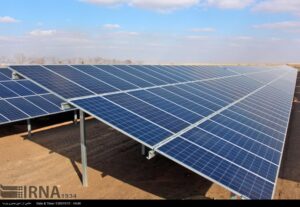
Although vertical farming can have higher energy demands due to artificial lighting and climate control, advances in renewable energy sources, such as solar power, are making this balance more favorable.
“Vertical farming can yield 10 to 20 times more produce per square foot than traditional farming.”
Yield and Product Quality Differences
When comparing yield and product quality, vertical farming demonstrates a competitive edge in several respects.
Yield
Vertical farms can achieve higher yields year-round due to controlled growing conditions, allowing for multiple harvests within a single year. For example, leafy greens can be harvested every few weeks, significantly increasing annual output.
Product Quality
The produce from vertical farms often boasts superior quality, with fewer pesticides and contaminants. The controlled environments help in minimizing exposure to pests and diseases, resulting in healthier crops. In traditional farming, factors like weather conditions and soil health can drastically affect crop yields and quality, leading to fluctuations in availability and market prices.
Social Implications of Transitioning to Vertical Farming
The shift toward vertical farming may have significant social implications, particularly for rural communities that depend on traditional agriculture.
Economic Impact
While vertical farming can create new jobs in urban areas, it may lead to reduced employment opportunities in rural regions historically reliant on traditional farming practices. The transition could challenge local economies and require retraining of the workforce.
Community Changes
As urban vertical farms emerge, there may be a shift in community dynamics, with a potential decline in rural population as individuals move to cities for opportunities in high-tech agriculture.
Food Accessibility
Vertical farming can potentially improve food accessibility in urban areas, reducing the need for transportation and allowing fresh produce to be readily available. This could address food deserts and promote healthier diets among urban populations.In summary, the comparison between vertical and traditional farming methods reveals distinct advantages and challenges. Understanding these differences helps to frame the future of agriculture as society seeks sustainable solutions to meet food production demands.
Community Engagement and Education
Community involvement is a cornerstone in promoting vertical farming initiatives. Engaging local communities not only generates support for these innovative agricultural practices but also fosters a sense of ownership and commitment to sustainable food production. By involving community members, vertical farms can create a network of advocates who understand and appreciate the benefits of local food sources, environmental stewardship, and resource-efficient farming methods.Educational programs are vital in raising awareness about vertical farming practices.
These initiatives aim to inform the public about the potential of vertical farms to enhance food security, reduce carbon footprints, and promote healthier eating habits. Schools, community centers, and local organizations can work together to develop curricula and workshops that introduce the principles of vertical farming, the technology used, and its environmental benefits.
Partnerships with Schools and Local Organizations
Collaborations between vertical farms and educational institutions or local organizations can significantly enhance community understanding of vertical farming. These partnerships often lead to hands-on experiences that illuminate the principles of sustainable agriculture. Some examples include:
- School Garden Programs: Many vertical farms collaborate with local schools to create on-site educational gardens. These gardens serve as living laboratories where students can learn about plant biology, the importance of biodiversity, and sustainable farming practices by actively participating in the vertical farming process.
- Workshops and Seminars: Vertical farms frequently host workshops for community members, covering topics such as hydroponics, aeroponics, and the use of technology in agriculture. These workshops not only provide practical knowledge but also encourage community dialogue about food systems and sustainability.
- Internship Opportunities: Some farms offer internships or volunteer programs for students and community members. This hands-on experience allows participants to engage directly with the farming process, fostering a deeper appreciation for agricultural innovation and sustainability.
Partnerships like these not only enrich educational experience but also build a community that values and supports local agriculture. With increasing urbanization, such engagement becomes essential for fostering a well-informed public that is capable of advocating for sustainable practices and food systems.
Ending Remarks
In summary, vertical farming represents a significant shift in agricultural practices, offering multiple benefits from environmental sustainability to economic viability. As we face increasing urbanization and climate change, the innovations in vertical farming not only provide fresh food but also pave the way for a resilient food system. Embracing these practices can lead to healthier communities and a more sustainable planet.
Popular Questions
What is the primary benefit of vertical farming?
The primary benefit of vertical farming is its ability to produce food in urban environments with limited space, significantly reducing the carbon footprint associated with transporting food from rural farms.
How does vertical farming contribute to sustainability?
Vertical farming uses less water and land than traditional farming, minimizes pesticide use, and allows for year-round crop production, contributing to a more sustainable food system.
Can vertical farming be integrated into existing urban spaces?
Yes, vertical farms can be integrated into existing buildings, rooftops, and even warehouses, utilizing urban infrastructure to grow food close to consumers.
What types of crops are best suited for vertical farming?
Leafy greens, herbs, and small fruits are typically well-suited for vertical farming due to their quick growth cycles and space efficiency.
Are vertical farms economically viable?
While initial startup costs can be high, vertical farms can be economically viable through reduced transportation costs, higher crop yields, and the ability to grow premium produce in urban markets.