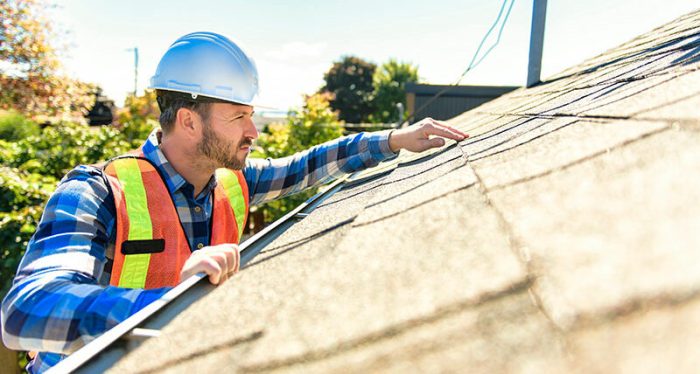
Roof Inspection is not just a chore; it’s a vital part of home maintenance that can save you from costly repairs down the line. Imagine discovering a minor leak before it turns into a major disaster—now that’s the kind of surprise you want! Regular roof inspections can help you keep your home safe and sound, ensuring your roof remains in tip-top shape.
From understanding the different types of inspections to knowing when to schedule them, this guide will walk you through the ins and outs of roof inspections, highlighting their importance and the benefits they bring to your home. We’ll explore common issues found during inspections, the process involved, and tips for DIY enthusiasts, all while emphasizing the need for professional help when necessary.
Introduction to Roof Inspection
Roof inspections are a crucial part of home maintenance that often get overlooked. They play a vital role in ensuring the longevity and safety of your home, as the roof is your first line of defense against the elements. Regular inspections can help spot potential problems early, saving homeowners from costly repairs and ensuring peace of mind. Different types of roof inspections cater to various needs and circumstances.
For instance, general inspections may be conducted annually to assess overall condition, while specialized inspections are necessary after severe weather events. Homeowners should also consider inspections when purchasing a new home or after any significant renovations. According to the National Roofing Contractors Association, regular roof inspections can extend the life of your roof by 20% or more, translating to significant savings over time.
Types of Roof Inspections
Understanding the types of roof inspections helps homeowners determine when each is necessary. These inspections can be categorized based on their purpose and timing:
- Routine Inspections: Conducted at least once a year, these assessments focus on identifying general wear and tear, debris accumulation, and potential issues before they escalate.
- Post-Storm Inspections: Following severe weather events, these inspections assess damage from high winds, hail, or heavy snowfall, ensuring immediate action can be taken if needed.
- Pre-Purchase Inspections: Essential for prospective buyers, these inspections help identify existing problems that may influence the purchase decision or negotiation process.
- Insurance Inspections: Sometimes required by insurance companies, these inspections determine whether the roof meets policy requirements and may influence coverage options.
Regular inspections yield several benefits that can significantly impact homeowners. For instance, statistics show that homes with well-maintained roofs can sell for 10-15% more than those with visible wear or damage. Additionally, addressing minor issues early can prevent them from developing into major, costly repairs.
“An ounce of prevention is worth a pound of cure.”
This saying rings especially true for roof maintenance. By investing a small amount of time and money in regular inspections, homeowners can avoid substantial expenses down the line, protecting both their property and their investment.
Common Roof Issues Identified During Inspections
When it comes to maintaining your home, the roof is one of the most critical components that often goes unnoticed until problems arise. Roof inspections play a key role in identifying issues early, potentially saving homeowners significant time and money. Understanding common roof problems can empower you to recognize the signs and take proactive measures to protect your investment.Various issues can plague a roof, ranging from minor cosmetic concerns to serious structural problems.
Addressing these issues promptly can enhance the safety of your home while also preserving its value. Here are some common issues found during roof inspections:
Leaks
Roof leaks are among the most prevalent problems identified during inspections. These leaks can lead to significant water damage inside your home, including mold growth and structural deterioration. The primary causes of roof leaks often include:
- Worn or damaged flashing that fails to seal joints.
- Cracks or gaps in roofing material, often due to weathering.
- Punctured shingles from debris or heavy storms.
Ignoring roof leaks can result in extensive damage and costly repairs. For instance, a small leak can quickly evolve into a major problem if water seeps into walls or ceilings, leading to a complete roof overhaul.
Missing Shingles
Another common issue is missing shingles, which can leave your roof vulnerable to the elements. This issue often arises from strong winds or hail, and it can affect your roof’s ability to shed water effectively. Homeowners should be aware of the following consequences:
- Increased risk of leaks through exposed areas.
- Higher energy costs due to decreased insulation.
- Potentially reduced curb appeal and property value.
Regular inspections can help identify missing shingles early, allowing for prompt replacements and maintenance.
Structural Damage
Structural damage is a serious concern that can result from various factors, such as severe weather conditions or poor installation practices. Signs of structural issues may include:
- Visible sagging or bowing in the roofline.
- Cracked rafters or trusses, which indicate compromised support.
- Interior ceiling stains that suggest water infiltration.
Addressing structural damage is essential for the safety of the occupants. For example, a homeowner in a storm-prone area discovered a sagging roof after a heavy storm, which led to immediate repairs to prevent potential collapse.By being aware of these common issues, homeowners can take action when they notice troubling signs. Regular roof inspections and maintenance are vital to ensuring the longevity and safety of your roof, thus protecting your home and investment.
Roof Inspection Process
Conducting a roof inspection is essential for maintaining the integrity and longevity of your roof. A thorough inspection can identify potential issues before they escalate into costly repairs. This process typically involves a systematic approach to assess the condition of the roof, ensuring that both exterior and interior elements are evaluated.The roof inspection process can be divided into several key steps, each designed to examine various aspects of the roofing system.
Professionals use specific methods and tools to ensure a comprehensive evaluation. By understanding these steps, homeowners can better appreciate the importance of regular roof inspections.
Step-by-Step Process of a Roof Inspection
The roof inspection process generally follows a structured approach to ensure that no stone is left unturned. Here are the typical steps involved:
- Preparation: Before starting the inspection, inspectors gather necessary tools and review any previous inspection reports.
- Visual Inspection: A thorough visual assessment is conducted from the ground and, if safe, from the roof itself. Inspectors look for visible signs of damage, wear, and tear.
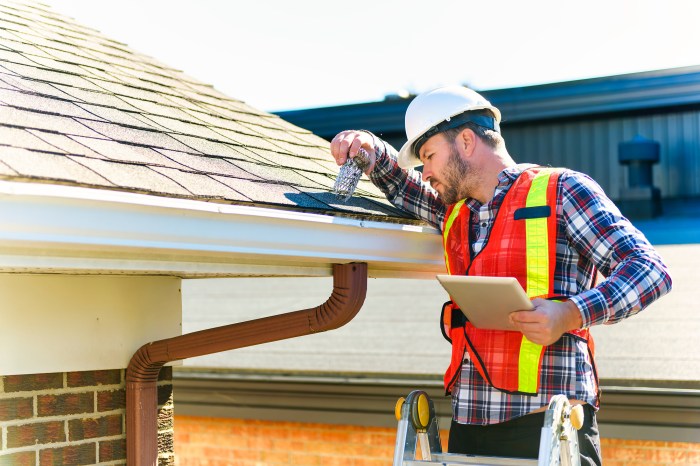
- Check Roof Components: Key features such as shingles, flashing, gutters, and vents are examined for issues like cracks, holes, or rust.
- Interior Inspection: Inspectors often check the interior spaces beneath the roof, including the attic, to identify leaks, moisture accumulation, or mold growth.
- Document Findings: All findings are documented with photographs and notes, providing a clear record of the roof’s current condition.
- Recommendations: After completing the inspection, inspectors provide recommendations for repairs or maintenance required to prolong the roof’s lifespan.
Methods Used by Professionals During Roof Inspections
Professionals employ various methods to enhance the effectiveness of their inspections. These methods ensure that potential problems are accurately identified and addressed. Key methods include:
- Binoculars: Inspectors use binoculars to safely assess high or difficult-to-reach areas from a distance, enabling them to spot issues without climbing onto the roof.
- Infrared Cameras: Thermal imaging technology helps detect moisture trapped beneath roof surfaces, identifying leaks that may not be visible to the naked eye.
- Moisture Meters: These instruments measure the moisture levels in roofing materials, providing insight into potential water damage.
- Drone Technology: Drones can capture aerial images of the roof, providing a comprehensive view while ensuring safety.
Tools and Equipment Commonly Utilized for Roof Inspections
A variety of tools and equipment are integral to conducting an effective roof inspection. These tools help ensure that every aspect of the roof is assessed accurately. Essential tools include:
- Ladders: Professional-grade ladders are used to access roofs safely and efficiently.
- Flashlights: Bright, portable flashlights help illuminate dark areas, particularly in attics or under eaves.
- Measuring Tape: This tool is used to measure roof dimensions for accurate assessment and documentation.
- Safety Gear: Inspectors wear safety harnesses, hard hats, and non-slip shoes to minimize risks while on the roof.
By following this structured approach and utilizing the right tools, roof inspections can be conducted effectively, providing valuable insights into the health of a roofing system and helping homeowners protect their investment.
DIY Roof Inspection Tips
Conducting a roof inspection on your own can save money and help you identify potential issues before they become costly repairs. However, it’s essential to approach this task with caution and preparation. Understanding the key safety precautions, having the right tools, and knowing what to look for can make your DIY roof inspection both effective and safe. Below, you’ll find essential tips for conducting a successful roof inspection.
Safety Precautions for DIY Roof Inspections
Before stepping onto your roof, safety should be your top priority. Here are some crucial precautions to take:
- Wear appropriate footwear with good grip to prevent slipping.
- Use a sturdy ladder and ensure it’s placed on level ground.
- Have a spotter on the ground to assist you and hold the ladder.
- Check the weather conditions to avoid windy or rainy days.
- Use safety harnesses when working on steep roofs.
- Beware of electrical lines and keep a safe distance from them.
These precautions not only protect you from falls and injuries but also ensure you can focus on inspecting your roof rather than worrying about safety hazards.
Essential Tools for a DIY Roof Inspection
To conduct a thorough roof inspection, having the right tools is essential. Here’s a list of tools you’ll need and how to use them effectively:
- Safety Harness: Always wear a safety harness when on the roof, especially in high or steep areas.
- Sturdy Ladder: Use a ladder that can support your weight and extend above the roofline for safe access.
- Flashlight: For inspecting dark areas, a flashlight will help you see any hidden issues.
- Camera: Take photos of specific areas for further analysis or to show a professional if needed.
- Measuring Tape: Useful for measuring shingles and gaps to identify potential leaks.
- Binoculars: Great for inspecting high areas from the ground without climbing.
Using these tools effectively can provide a thorough understanding of your roof’s condition while keeping safety at the forefront.
Checklist for a DIY Roof Inspection
When inspecting your roof, it’s vital to have a checklist to ensure nothing is overlooked. This checklist includes key items to examine:
- Shingle condition: Look for missing, cracked, or curled shingles.
- Flashing: Inspect metal flashing around chimneys and vents for corrosion or damage.
- Gutters and downspouts: Ensure they are clear of debris and functioning properly.
- Signs of water damage: Look for dark spots or stains on the ceiling inside your home.
- Moss or algae: Check for growth that can indicate moisture retention.
- Ventilation: Ensure roof vents are not blocked and are functioning to allow airflow.
Using this checklist will help you identify issues that may require professional attention, ensuring your roof remains in good condition for years to come.
Hiring a Professional Inspector
When it comes to roof inspections, many homeowners find themselves at a crossroads between taking the DIY route and hiring a professional. While a DIY inspection can save money, the expertise and thoroughness of a professional inspector often outweigh the initial savings. This section will focus on the benefits of hiring a professional, how to choose the right inspector, and the costs associated with their services.
Benefits of Hiring a Professional Inspector
Engaging a professional roof inspector comes with numerous advantages. Professionals bring a wealth of experience and specialized knowledge that can help identify issues that may not be immediately visible to an untrained eye. Furthermore, they possess the necessary equipment and tools to conduct a comprehensive inspection safely. Here are some key benefits to consider:
-
In-depth knowledge of roofing systems and materials.
-
Ability to spot potential issues early, preventing costly repairs down the line.
-
Utilization of advanced technology, such as thermal imaging or drone inspections.
-
Provision of detailed reports that can be beneficial for insurance claims or selling the property.
Choosing a Qualified Roof Inspector
Selecting a qualified roof inspector is crucial for ensuring that your roof is thoroughly assessed and any potential issues are addressed. Here are important credentials and qualities to look for when making your choice:
- Certification: Look for inspectors who hold certifications from recognized organizations like the National Roofing Contractors Association (NRCA) or the International Association of Certified Home Inspectors (InterNACHI).
- Experience: A seasoned inspector with several years in the field is likely to have encountered a variety of roofing issues and solutions.
- References: Requesting references from past clients can provide insight into the inspector’s reliability and thoroughness.
- Insurance: Ensure the inspector has liability insurance and worker’s compensation coverage to protect you from potential liabilities.
- Written Reports: A professional inspector should provide a detailed written report post-inspection, outlining their findings, recommendations, and any necessary repairs.
Costs Associated with Hiring a Professional Inspector
The cost of hiring a professional roof inspector can vary widely based on several factors, including the size of the roof, the complexity of the inspection, and the inspector’s geographical location. On average, homeowners can expect to pay between $200 and $500 for a standard roof inspection. Several factors influence the overall cost:
- Roof Size: Larger roofs typically require more time and thorough inspection, leading to higher costs.
- Roof Type: Complex roofing systems or those with multiple levels may incur additional charges.
- Location: Inspectors in urban areas or regions with a high cost of living may charge more compared to those in rural areas.
- Additional Services: If you opt for additional services like thermal imaging or drone inspections, these will increase the total price.
Understanding these costs can help homeowners budget accordingly and ensure they receive a thorough and professional inspection of their roof.
Seasonal Considerations for Roof Inspections
Seasonal changes significantly impact roof conditions, making regular inspections crucial. As weather patterns shift, roofs face different stresses that can lead to deterioration. It’s essential to conduct inspections before and after major weather events to identify potential issues early and ensure your roof remains in good shape throughout the year.Seasonal variations introduce unique challenges for roofs. For instance, heavy snowfall can create additional weight, leading to structural issues, while intense summer heat can dry out roofing materials.
Therefore, understanding these seasonal effects is vital for maintaining your roof’s integrity.
Preparing Roofs for Winter or Heavy Rainfall
Before winter arrives or heavy rains are forecasted, taking specific steps can help protect your roof. Proper preparation can minimize damage and extend the life of your roofing system. Start by cleaning gutters and downspouts to ensure proper water drainage. Clogged gutters can lead to water backup, which may cause leaks or ice dams.Inspecting for loose or damaged shingles is also essential, as these can become more problematic under heavy snow or rain.
Here are some key actions to consider:
- Remove debris from the roof surface, including leaves and branches, to prevent mold and moss growth.
- Check for any missing or cracked shingles and replace or repair them promptly to prevent leaks.
- Inspect flashing around chimneys, vents, and skylights, as these areas are particularly vulnerable to water intrusion.
Maintaining Roof Integrity During Extreme Temperature Changes
Extreme temperature fluctuations can cause roofing materials to expand and contract, leading to cracks and other damage. To maintain your roof’s integrity under such conditions, adopting proactive measures is crucial. Regular inspections during seasonal transitions can help catch issues before they escalate. Additionally, consider the following maintenance tips:
- Seal any cracks or gaps in your roofing system promptly to prevent moisture infiltration.
- Apply a roof coating or sealant that can withstand extreme temperatures and provide additional protection.
- Ensure ventilation in the attic is adequate, as this helps regulate temperature and reduces the risk of ice dams in winter.
“Regular maintenance is the key to a long-lasting roof, especially in areas with fluctuating weather conditions.”
Maintenance and Repair Following an Inspection
Following a thorough roof inspection, it’s critical to address any findings promptly. Ignoring issues can lead to more significant problems down the line, including leaks, structural damage, and costly repairs. Implementing timely maintenance and repairs helps maintain the roof’s integrity and ensures it performs effectively.The importance of following up on roof inspection findings cannot be overstated. When an inspector identifies potential issues, they provide a roadmap for necessary repairs and maintenance tasks.
Addressing these findings not only prolongs the life of the roof but also protects the internal structure of the home. Regular attention to these matters can prevent small issues from escalating into major headaches.
Common Repairs and Maintenance Tasks
After an inspection, several common repairs and maintenance tasks may be recommended to keep your roof in optimal condition. These tasks not only enhance the roof’s durability but can also result in savings over time by preventing costly replacements.
- Replacing Damaged Shingles: If any shingles are cracked, missing, or curled, replacing them quickly can prevent water penetration and structural damage.
- Sealing Leaks: Identifying and sealing leaks with roofing sealants can stop water from entering your home, which is critical in preventing mold and mildew growth.
- Gutter Cleaning: Regularly cleaning gutters ensures that water is directed away from the roof, preventing water buildup that can lead to leaks or ice dams.
- Flashing Repair: Ensuring that metal flashing around chimneys, vents, and skylights is secure and intact helps eliminate potential leak points.
- Tree Trimming: Removing overhanging branches can prevent damage from falling debris and reduces the amount of leaves accumulating on the roof.
Regular maintenance tasks like these can significantly extend the lifespan of your roof. By staying proactive, homeowners not only protect their investment but also maintain the safety and comfort of their living spaces.
“An ounce of prevention is worth a pound of cure.”
Incorporating these maintenance practices regularly can make a notable difference. For instance, a homeowner who schedules semi-annual inspections and maintenance can often extend their roof’s lifespan by years, as seen in many case studies focusing on roof longevity. One example is the Smith family, who after implementing a regular maintenance schedule, reported that their roof lasted 20 years longer than the average lifespan for similar roofs in their area.
The benefits of repairs and maintenance extend beyond just the roof; they are an investment in the overall value and functionality of your home.
Conclusion
Regular roof inspections are an essential aspect of maintaining your home, and their long-term benefits cannot be overstated. Homeowners who take the time to schedule inspections often find that they save money, enhance their property value, and enjoy peace of mind knowing their roof is in good condition. Neglecting these inspections can lead to costly repairs and diminished value, making proactive care a wise investment.By conducting regular roof inspections, homeowners can identify potential problems before they escalate.
This proactive approach helps maintain the integrity of the roof and extends its lifespan, ultimately leading to significant savings. Regular inspections can uncover minor issues, such as missing shingles or small leaks, which can be easily repaired before they develop into major problems. This not only helps to maintain the safety and comfort of the home but also has a positive impact on the overall property value.
Impact of Proactive Roof Care on Property Value
Investing in routine roof inspections serves as a safeguard for your property, enhancing its overall value. Here are some key points that illustrate this impact:
- Proper maintenance ensures longevity, reducing the frequency of major repairs and replacements, which are significant cost factors in home ownership.
- A well-maintained roof enhances curb appeal, making the home more attractive to potential buyers if the homeowner ever decides to sell.
- Regular inspections provide documentation of maintenance history, which can be a selling point when negotiating with buyers, showcasing the owner’s diligence in caring for the property.
- Homes with a history of regular inspections and maintenance often command better offers in the real estate market, as buyers are keen on properties that demonstrate care and upkeep.
Homeowners have shared testimonials highlighting the benefits they received after conducting roof inspections. For instance, a couple in a suburban neighborhood discovered minor leaks during their annual inspection, which they promptly repaired. This intervention not only saved them from extensive water damage but also allowed them to sell their home for a higher price a few years later, with the buyers appreciating the home’s well-maintained roof.Another homeowner recounted how a thorough inspection revealed issues with ventilation that, if left unchecked, could have led to mold growth in their attic.
By addressing this issue early, they not only saved on potential repair costs but also ensured a healthier living environment for their family. In summary, the wisdom in regular roof inspections extends beyond immediate maintenance; it enhances property value and secures the overall investment in your home.
Summary
In wrapping up, regular roof inspections play a crucial role in maintaining your home’s integrity and value. By catching issues early, you not only enhance your roof’s lifespan but also protect your investment. Homeowners who prioritize inspections often share success stories of avoiding major repairs and maintaining a secure living space, proving that a little proactive care goes a long way.
Answers to Common Questions
How often should I have my roof inspected?
It’s recommended to have your roof inspected at least once a year, and more frequently after severe weather events.
Can I do a roof inspection myself?
Yes, but it’s important to take safety precautions and know what to look for. Consider hiring a professional for a thorough assessment.
What are the signs that my roof needs repair?
Look for missing shingles, stains on your ceiling, or visible leaks—these can indicate underlying issues.
How much does a professional roof inspection cost?
Costs can vary widely based on location and roof type, but typically range from $100 to $500.
What should I do if problems are found during an inspection?
Address any issues as soon as possible to prevent further damage and consider consulting a roofing professional for repairs.