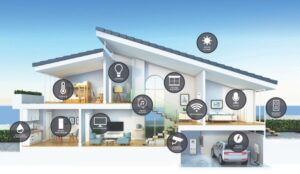
Smart Lighting Solutions are revolutionizing the way we illuminate our homes and workplaces. These innovative technologies not only brighten our spaces but also enhance convenience, security, and energy efficiency, making them essential in today’s modern lighting systems.
From LED lights that can be controlled via smartphone apps to sophisticated systems that integrate with home automation, smart lighting offers a multitude of features that set it apart from traditional lighting. Whether it’s setting the perfect ambiance or ensuring safety with motion sensors, smart lighting solutions are paving the way for smarter living.
Overview of Smart Lighting Solutions
Smart lighting solutions represent a significant advancement in lighting technology, providing enhanced control, efficiency, and adaptability in various environments. As part of the broader Internet of Things (IoT) ecosystem, these systems allow users to manage lighting remotely, often through mobile applications or voice commands. This modern approach not only improves convenience but also contributes to energy savings and improved safety in residential and commercial settings.Smart lighting encompasses a variety of technologies designed to optimize the use of light.
These solutions can be broadly categorized into several types, each offering unique features and capabilities. Some examples of smart lighting technologies available in the market include:
- Smart Bulbs: These LED bulbs can be controlled via smartphone apps, enabling functions such as dimming, color changing, and scheduling.
- Motion Sensors: Integrated sensors can automatically turn lights on or off based on detected movement, providing security and energy savings.
- Smart Switches: These replace traditional light switches and allow for remote control of lights, as well as integration with home automation systems.
- Smart Light Strips: Flexible LED strips that can be customized for color and brightness, often used for decorative or accent lighting.
- Smart Lighting Hubs: Central devices that connect and manage multiple smart lighting products, enabling a seamless user experience.
The key features that distinguish smart lighting from traditional lighting systems are numerous and impactful. First, smart lighting solutions offer enhanced energy efficiency through features like automated dimming and scheduling, which can lead to reduced electricity bills. Additionally, these systems often support a wide range of colors and brightness levels, allowing users to customize their lighting experiences according to their preferences or activities.
Another important aspect is the integration with home automation and smart home systems. This means that smart lighting can interact with other devices, such as smart thermostats or security cameras, to create cohesive living environments.
“Smart lighting not only enhances convenience and comfort but also plays a crucial role in energy management and security in modern homes.”
Furthermore, the ability to control lighting remotely through mobile apps or voice commands adds an element of flexibility that traditional systems cannot match. With the rapid advancement in smart home technology, smart lighting solutions are becoming increasingly sophisticated, often incorporating AI-driven features that learn user behaviors and preferences over time.
Benefits of Implementing Smart Lighting
Smart lighting solutions are transforming how we illuminate our spaces, offering more than just light. These systems are becoming essential for energy efficiency, convenience, and safety in both homes and workplaces. By integrating technology, smart lighting brings numerous advantages that enhance our daily lives.
Energy-Saving Advantages
Smart lighting systems are designed to significantly reduce energy consumption, making them a cost-effective solution for both residential and commercial settings. By utilizing LED technology combined with smart controls, these lighting solutions can optimize usage patterns and minimize waste. For instance, smart bulbs can automatically adjust brightness based on natural light levels or turn off when a room is unoccupied.
- Energy Efficiency: Smart lighting can reduce energy use by up to 75% compared to traditional incandescent bulbs.
- Remote Control: Users can control lights from their smartphones, allowing for adjustments that can save energy, such as turning off lights remotely.
- Scheduling: Setting schedules for when lights should be on or off can further decrease energy usage during non-peak hours.
“Using smart lighting can lead to substantial reductions in electricity bills and lower carbon footprints.”
Improved Convenience and Comfort
The convenience and comfort level offered by smart lighting solutions greatly enhances the user experience in any environment. With the ability to automate lighting based on personal preferences, smart systems can create the perfect ambiance at any time.
- Personalized Settings: Users can create specific scenes for different activities, such as reading, watching movies, or hosting gatherings, all with just a tap on their devices.
- Voice Control: Integration with smart home assistants allows for hands-free operation, making it easier to manage lighting, especially when hands are full or when entering a room.
- Adaptive Lighting: Smart lighting can adjust to users’ routines, providing brighter light in the morning to aid wakefulness and softer tones in the evening for relaxation.
Enhanced Security and Safety
Smart lighting plays a crucial role in improving security and safety, making homes and workplaces feel more secure. By using advanced technology, these systems can simulate presence and deter potential intruders.
- Automated Lighting: Lights can be programmed to turn on and off at specific times, mimicking daily activity to ward off burglars.
- Motion Sensors: Smart lights equipped with motion detection can illuminate dark areas, providing visibility and discouraging unauthorized access.
- Emergency Lighting: In the event of a power outage, smart systems can integrate with backup power sources to ensure essential areas remain lit, enhancing safety during emergencies.
“Smart lighting not only enhances the aesthetic of a space but fundamentally increases safety by providing visibility when it matters most.”
Types of Smart Lighting Systems
Smart lighting systems have transformed the way we illuminate our spaces, offering enhanced control, efficiency, and customization. Understanding the various types of smart lighting systems helps in making informed decisions tailored to one’s specific needs and preferences.Different smart lighting technologies provide distinct advantages and functionalities. The three prominent types of lighting systems include LED, fluorescent, and halogen, each with unique features that cater to various environments and requirements.
Below is a comparison of these technologies:
Comparison of Lighting Technologies
When considering smart lighting options, it’s essential to weigh the benefits and drawbacks of each technology:
- LED: Known for their energy efficiency and long lifespan, LED lights consume significantly less power than traditional bulbs, making them cost-effective over time. They offer a wide range of colors and dimming capabilities, making them ideal for mood lighting.
- Fluorescent: Commonly used in commercial settings, fluorescent lights are brighter and more energy-efficient than incandescent bulbs, but less so than LEDs. They have a shorter lifespan and can flicker, which may be distracting in certain settings.
- Halogen: A type of incandescent lighting, halogen bulbs offer brighter light and better color rendering. However, they consume more energy and have a shorter lifespan than LEDs, making them less favorable for long-term use.
Wired vs. Wireless Smart Lighting Solutions
Smart lighting systems can be categorized based on their connectivity methods, which can significantly affect installation and functionality. Understanding the differences can help users determine the best fit for their needs.
- Wired Solutions: These systems are hardwired into the electrical system of a building. They tend to offer more stable connections and are less susceptible to interference. However, installation can be more complicated and expensive, requiring professional assistance.
- Wireless Solutions: Utilizing technologies such as Wi-Fi, Zigbee, or Bluetooth, wireless smart lighting provides flexibility in installation and control. These systems can be easily expanded and modified, but may face connectivity issues depending on the environment and range.
Smart Lighting Controls
Smart lighting systems come equipped with various control mechanisms that enhance user experience and efficiency. Below are some of the key functionalities provided by different control options:
- Mobile Apps: Most smart lighting systems can be controlled via mobile applications, allowing users to adjust brightness, color, and scheduling remotely. Apps often provide integration with other smart home devices for seamless operation.
- Voice Assistants: Many systems are compatible with voice-activated assistants like Amazon Alexa or Google Assistant. This voice control feature allows users to turn lights on or off, change settings, and create scenes using simple voice commands.
- Sensors: Smart lighting can be enhanced with motion and ambient light sensors that automatically adjust lighting based on presence or the amount of natural light available. This not only improves convenience but also contributes to energy savings.
Smart Lighting for Home Automation
Smart lighting is not just about convenience; it’s a vital component of the modern smart home ecosystem. By integrating smart lighting with home automation systems, homeowners can create an environment that is both comfortable and energy-efficient. The seamless interaction between smart lighting and various home devices allows for enhanced control and personalization, setting the stage for a truly intelligent living space.Smart lighting systems can be controlled through various home automation platforms, allowing users to manage lighting settings via smartphone apps, voice commands, or even automated schedules.
This integration not only provides convenience but also significantly contributes to energy management in smart homes. When paired with other smart devices, lighting can adapt according to the needs of the household, ensuring that energy is used efficiently.
Examples of Compatible Devices
Integrating smart lighting with various compatible devices can elevate the functionality of a home automation system. Here are some key devices that work well with smart lighting:
- Smart Speakers: Devices like Amazon Echo or Google Nest Hub can control smart lighting through voice commands, making it easy to adjust settings without lifting a finger.
- Smart Thermostats: Pairing smart lighting with thermostats such as the Nest Learning Thermostat can optimize energy usage by adjusting lighting based on occupancy and temperature settings.
- Smart Sensors: Motion detectors can automatically turn lights on or off when someone enters or leaves a room, enhancing both convenience and energy efficiency.
- Smart Plugs: These can transform traditional lamps into smart lights, allowing for remote access and control through a smart home platform.
- Home Security Systems: Integrating smart lighting with security systems can trigger lights to turn on when an alarm is activated, increasing safety and visibility.
Role of Smart Lighting in Energy Management
Smart lighting systems play a crucial role in energy management within smart homes. By allowing for precise control over lighting usage, these systems can lead to a significant reduction in energy consumption. Automated settings and remote controls enable homeowners to ensure that lights are only used when necessary, helping to lower electricity bills and carbon footprints.
“Smart lighting reduces energy costs by allowing homeowners to optimize lighting use through automation and integration with other smart devices.”
In addition to energy savings, smart lighting can be programmed to adjust based on natural light levels. For example, lights can dim when there’s ample sunlight streaming into a room, ensuring that energy is conserved without sacrificing comfort. This adaptability is key to creating a sustainable and efficient home environment, showcasing the benefits of embracing smart lighting within a home automation framework.
Smart Lighting in Commercial Spaces
Smart lighting solutions offer businesses a transformative approach to managing their lighting needs, enhancing not only the aesthetic appeal of spaces but also optimizing energy efficiency and operational costs. As commercial spaces evolve, the integration of smart lighting technologies becomes crucial for staying competitive and providing a better environment for both employees and customers. Implementing smart lighting solutions in commercial settings can lead to significant benefits, including reduced energy consumption, improved safety, and enhanced overall ambiance.
Businesses can automate lighting based on occupancy, time of day, or natural light availability, leading to substantial cost savings. Furthermore, smart lighting can be customized to align with a business’s branding and customer experience goals, fostering a more engaging environment.
Successful Implementations of Smart Lighting
Several businesses have effectively harnessed the power of smart lighting to enhance their operations. Here are some notable case studies illustrating the impact of smart lighting in commercial settings:
- Retail Stores: A leading retail chain implemented a smart lighting solution that adjusted lighting based on the time of day and customer traffic. This adaptation resulted in an estimated 30% reduction in energy costs, while also creating a more inviting atmosphere that encouraged longer customer visits.
- Office Buildings: A major tech company introduced smart lighting controls that aligned with their open office layout, allowing employees to personalize their lighting preferences. This flexibility not only improved employee satisfaction but also increased productivity by up to 15%, as reported in internal studies.
- Hospitality Sector: A high-end hotel chain installed an advanced smart lighting system that could be controlled via an app by both staff and guests. This feature enhanced guest experience by allowing them to adjust room lighting to their liking, contributing to a 20% increase in positive customer feedback regarding the ambiance.
Impact on Customer Experience and Employee Productivity
Smart lighting solutions significantly enhance customer experiences and employee productivity in various ways. By creating a dynamic lighting environment, businesses can influence emotions and behaviors, thereby improving overall satisfaction. Customers often respond positively to well-lit environments that utilize color temperature and intensity to set the mood. For instance, warmer lights can create a cozy atmosphere in cafes, while brighter, cooler lights can stimulate energy and alertness in retail environments.Similarly, for employees, smart lighting systems can lead to improved focus and morale.
When employees can tailor the lighting to their preferences, it not only enhances comfort but also boosts creativity and efficiency.
“The right lighting can transform a workspace, leading to happier employees and satisfied customers.”
Future Trends in Smart Lighting Technology
As we stride into the future, smart lighting technology is poised for remarkable evolution. Driven by advancements in IoT, AI, and sustainable practices, the future of smart lighting promises to enhance energy efficiency, user experience, and urban development. These advancements will not only lead to individual comfort but also revolutionize entire cities, integrating lighting solutions into broader smart city frameworks.The integration of artificial intelligence is set to redefine the capabilities of smart lighting systems.
With AI, smart lights can learn user preferences over time and adapt their functionality accordingly. This evolution may include features such as automated adjustments based on the time of day, occupancy detection, and even mood-based lighting scenarios.
AI Integration in Smart Lighting
The incorporation of AI into smart lighting systems will lead to more intuitive and responsive environments. This technology can analyze data from various sources, including weather forecasts, user behavior, and energy consumption patterns. Such insights will enable smart lighting systems to optimize their operations automatically.For instance, an AI-powered lighting system in a home may adjust brightness levels based on the time of day or activities being performed.
In commercial spaces, AI can help manage energy use efficiently, reducing costs while maintaining optimal working conditions. Here are some potential features:
- Responsive Lighting: Systems that automatically adjust brightness and color temperature based on natural light availability.
- Enhanced Security: AI can detect unusual patterns in lighting usage, alerting homeowners or businesses to potential security threats.
- Energy Management: Smart systems can optimize energy consumption by learning usage patterns and adjusting settings accordingly.
Implications for Urban Planning and Smart Cities
Smart lighting technology holds significant implications for urban planning and the development of smart cities. By integrating smart lighting solutions with city infrastructure, urban planners can create more sustainable and efficient environments. The potential benefits include reduced energy consumption, enhanced public safety, and improved urban aesthetics.For example, cities could implement smart street lighting that adjusts based on pedestrian traffic or time of day.
This not only saves energy but also enhances safety by ensuring well-lit areas when people are present:
- Dynamic Street Lighting: Street lamps that brighten in response to nearby movement and dim when not in use.
- Data Collection: Lighting systems that gather data on pedestrian movement, which can inform public services and infrastructure development.
- Environmental Monitoring: Lights equipped with sensors to monitor air quality and noise levels, contributing to smarter urban management.
In summary, the future of smart lighting technology is set to be transformative, incorporating AI for personalized and efficient lighting solutions while significantly impacting urban planning and smart city frameworks.
Challenges and Considerations for Smart Lighting Solutions
Implementing smart lighting solutions can greatly enhance the functionality and efficiency of both residential and commercial spaces. However, organizations and homeowners alike face several challenges during the adoption process. Understanding these challenges, as well as key considerations, is crucial for successful implementation and optimal performance of smart lighting systems.
Common Challenges in Adopting Smart Lighting Technologies
Adopting smart lighting technologies often comes with a set of challenges that can hinder their effective implementation. These challenges can range from technical issues to user acceptance. Key challenges include:
- Integration with Existing Systems: Many buildings have legacy lighting systems that may not easily integrate with new smart technologies, resulting in increased costs and complexity.
- Interoperability: Different brands may use varying communication protocols, leading to difficulties in creating a cohesive smart lighting network.
- High Initial Costs: The upfront investment for smart lighting systems can be significant, which may deter organizations with limited budgets.
- User Training and Adaptation: Users may require training to fully leverage smart lighting systems, which can be a barrier to adoption.
Importance of Cybersecurity in Smart Lighting Systems
As smart lighting systems become increasingly connected to the Internet of Things (IoT), cybersecurity concerns also escalate. The integration of smart lighting with home or building networks can expose vulnerabilities that malicious actors may exploit. Protecting these systems is vital to maintain the integrity and functionality of the smart lighting solutions.
- Data Privacy: Smart lighting systems often collect data from users, which could be at risk if not adequately secured.
- Network Vulnerabilities: Unsecured smart lighting devices can become entry points for cyber attacks, potentially compromising entire building networks.
- Compliance with Regulations: Organizations must ensure that their smart lighting systems comply with relevant cybersecurity regulations to avoid penalties.
Considerations for Selecting Smart Lighting Products and Systems
Choosing the right smart lighting products is crucial for achieving the desired outcomes. Several factors should be considered during the selection process to ensure compatibility and effectiveness.
- Compatibility: Ensure that the smart lighting products are compatible with existing building management systems or smart home platforms to allow for seamless integration.
- Scalability: Select systems that can grow with your needs, allowing for the addition of more lights or features without significant rework.
- Energy Efficiency: Look for products that are energy-efficient and provide data analytics to help monitor energy consumption.
- Ease of Use: Choose user-friendly interfaces and controls that do not require extensive training for optimal use.
Smart Lighting Installation and Maintenance
Installing and maintaining smart lighting solutions can significantly enhance your living or working space. This guide offers a comprehensive overview of the steps involved in installation and the essential maintenance practices required to ensure your smart lighting systems function at their best.
Step-by-Step Guide to Installing Smart Lighting Solutions
Successful installation of smart lighting requires careful planning and execution. Here’s a straightforward process to follow:
1. Assess Your Needs
Begin by determining where you want to install smart lighting. Consider areas that require better illumination or specific ambiance settings.
2. Choose the Right Products
Research and select smart lighting products compatible with your existing home automation systems. Popular choices include smart bulbs, light strips, and fixtures.
3. Gather Necessary Tools
Ensure you have all tools needed for installation, including screwdrivers, wire strippers, a voltage tester, and any necessary mounting hardware.
4. Turn Off Power
For safety, turn off the power at the circuit breaker before starting the installation.
5. Install Smart Bulbs
For bulb replacements, simply remove the existing bulbs and screw in the smart bulbs. Ensure they are secured properly.
6. Set Up Fixtures
If installing fixtures, follow the manufacturer’s instructions for wiring and mounting. Typically, this involves connecting wires, securing the fixture, and attaching any coverings.
7. Connect to Wi-Fi
Once the physical installation is complete, connect your smart lights to your Wi-Fi network using the manufacturer’s app.
8. Configure Settings
Use the app to customize settings, such as schedules, brightness levels, and color options according to your preferences.
9. Test the System
Turn on the power and test the installation to ensure everything is functioning as intended.
Maintenance Tips for Smart Lighting Systems
To keep your smart lighting systems operating efficiently, follow these maintenance tips:
Regularly Check Connections
Ensure all connections are secure and that there are no loose wires or components that could impact performance.
Clean Fixtures and Bulbs
Dust and debris can affect brightness and efficiency. Regularly clean your light fixtures and bulbs with a soft, dry cloth.
Monitor Software Updates
Keep your smart lighting app and firmware up-to-date. Manufacturers release updates to improve functionality and security.
Perform Routine Tests
Periodically check to ensure all lights are functioning correctly. Replace any burnt-out bulbs as soon as possible to maintain optimal lighting.
Review Automation Settings
Regularly revisit your automation settings to ensure they still meet your needs. Adjust schedules or settings as necessary.
Importance of Regular Updates and Troubleshooting Common Issues
Keeping your smart lighting systems updated is crucial for maintaining security and functionality. Regular updates fix bugs, enhance performance, and add new features. Without updates, systems may become vulnerable to security breaches.Common issues that may arise include:
Connectivity Problems
If lights fail to respond, ensure your Wi-Fi connection is stable and the bulbs are within range.
App Malfunctions
Sometimes, the controlling app may freeze or crash. Rebooting the app or reinstalling it can resolve these issues.
Incompatibility Issues
If new devices are added, check for compatibility with existing systems. Not all smart lights work with every hub or app.
Flickering Lights
This can indicate a poor connection or a need for a firmware update. Ensure all connections are tight and update software as needed.By following these installation and maintenance guidelines, you can enjoy the full benefits of your smart lighting solutions while ensuring they remain in peak condition for years to come.
Closing Summary
In summary, Smart Lighting Solutions are not just about illuminating spaces; they are about creating an experience that blends comfort, safety, and energy efficiency seamlessly into our daily lives. As technology continues to evolve, the possibilities for smart lighting will only expand, making it an exciting area to watch in the years to come.
General Inquiries
What are Smart Lighting Solutions?
They are advanced lighting systems that can be controlled remotely and are often energy-efficient.
How do I install smart lighting?
Installation typically involves replacing your existing bulbs with smart bulbs or integrating smart switches into your lighting system.
Can smart lighting work with other smart home devices?
Yes, many smart lighting systems are compatible with devices like smart speakers and home automation hubs.
Are smart lighting solutions energy-efficient?
Absolutely! Smart lighting can significantly reduce energy consumption compared to traditional lighting.
What should I consider when choosing smart lighting?
Look for compatibility, ease of use, energy efficiency, and the range of features offered by the system.