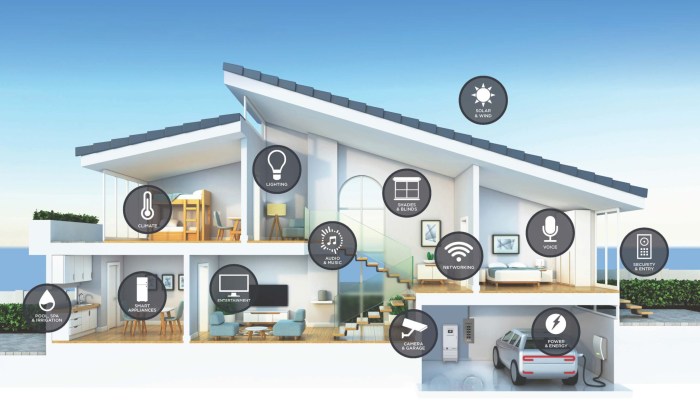
Home Automation Systems are revolutionizing the way we interact with our living spaces, making daily tasks simpler and more efficient. Imagine controlling your lights, security, and appliances all from your smartphone or voice command – that’s the power of automation at your fingertips!
This technology has grown significantly over the years, evolving from simple remote controls to sophisticated systems that learn and adapt to our lifestyles. With various components working together, home automation systems enhance convenience, security, and energy efficiency in modern households.
Introduction to Home Automation Systems
Home automation systems represent a significant leap forward in the way we manage our living environments, allowing for a seamless integration of technology into our everyday lives. These systems empower homeowners to control various aspects of their home—from lighting and security to heating and appliances—through centralized management, often via smartphones or voice-activated devices. The convenience and efficiency brought by automation have made it an essential feature in modern households.The concept of home automation has its roots in early attempts at creating “smart” devices throughout the 20th century.
The first instance of home automation can be traced back to the invention of the timer switch in the 1920s, which laid the groundwork for more complex systems. Over the decades, advancements in technology and the proliferation of the internet have catalyzed the development of sophisticated home automation systems. The emergence of wireless communication in the late 1990s and early 2000s further facilitated the integration of various home devices, paving the way for the smart homes we see today.
Primary Components of Home Automation Systems
Understanding the main components of home automation systems is crucial for grasping how they operate and the benefits they provide. Each component plays a specific role in ensuring that the system functions effectively and efficiently.The core components include:
- Smart Hub: This is the central unit that connects all smart devices, allowing them to communicate with each other and the user. It serves as the brain of the home automation system.
- Smart Devices: These devices can include smart bulbs, thermostats, locks, cameras, and appliances. Each device is designed to be controlled remotely, either individually or as part of a larger system.
- Sensors: Sensors monitor various conditions in the home, such as temperature, motion, or light levels, and relay that information back to the smart hub for processing and action.
- User Interface: This can be a smartphone app, web portal, or voice assistant that allows users to interact with and control their home automation system.
- Network Infrastructure: A reliable internet connection, often supported by Wi-Fi or Z-Wave networks, is essential for connecting all components and ensuring they operate smoothly.
The integration of these components allows homeowners to create customized environments tailored to their lifestyles, enhancing both comfort and security. By automating daily tasks, energy consumption is optimized, leading to potential cost savings and greater convenience.
Home automation systems not only improve comfort but can also enhance security and energy efficiency, making them a valuable addition to any modern household.
Types of Home Automation Systems
Home automation has rapidly evolved, providing numerous options for enhancing convenience, security, and energy efficiency in our homes. Understanding the various types of home automation systems available can help homeowners select the best fit for their needs and lifestyle. This section will cover the main types of systems and their key characteristics.
Centralized and Decentralized Systems
Home automation systems can be categorized into centralized and decentralized systems, each with distinct functionalities and advantages. Centralized systems operate from a single control point, allowing users to manage all connected devices through one interface. This often includes a dedicated hub or smart home controller that communicates with all devices within the system. For instance, a centralized system can seamlessly integrate lighting, HVAC, security, and entertainment controls, providing a cohesive user experience.In contrast, decentralized systems consist of individual devices that operate independently of one another.
Each device can be controlled through its own app or interface, which means users may need to manage multiple platforms for various functions. While this approach offers flexibility in choosing devices from different manufacturers, it can lead to a fragmented experience.
Integrated Systems and Standalone Devices
The distinction between integrated systems and standalone devices is crucial in the realm of home automation. Integrated systems are designed to work together harmoniously, often utilizing a central hub to facilitate communication between various components. This integration allows for advanced automation scenarios, such as programming your lights to dim, your thermostat to adjust, and your security camera to activate simultaneously when you leave home.
A well-known example is the Google Nest ecosystem, where devices like thermostats, cameras, and speakers work together seamlessly.On the other hand, standalone devices operate independently without the need for a central system. These can be individual smart light bulbs, security cameras, or smart plugs that can be controlled through their respective apps. While they are often easier to set up and may be more cost-effective, they lack the cohesive functionality of integrated systems.
Users might find themselves using multiple apps to control each device, which can be less convenient.
“The choice between centralized and decentralized systems, as well as integrated and standalone devices, ultimately depends on individual preferences for control, convenience, and compatibility.”
In summary, selecting the right type of home automation system involves considering the level of integration desired, the control methodology preferred, and how these factors align with personal lifestyle habits.
Key Features of Home Automation Systems
Home automation systems offer a range of features that enhance convenience, efficiency, and security in daily life. By integrating various devices and technologies, users can control their home environment from virtually anywhere. This makes modern living not only easier but also more enjoyable. Understanding these key features is essential for anyone considering a home automation system.Among the most sought-after features of home automation systems are remote access, scheduling, and automation.
These functionalities not only empower users to manage their homes effectively but also bring about significant energy savings and enhanced security. Below, we delve into these features in more detail.
Remote Access
Remote access is a core feature that allows users to control their home automation systems from anywhere using a smartphone, tablet, or computer. This capability is essential for monitoring home security, adjusting lighting, and managing appliances while away from home.
Scheduling
Scheduling enables homeowners to pre-set activities or actions for their devices. For example, lights can be programmed to turn on at sunset or the thermostat can be adjusted before returning home from work. This functionality adds to energy efficiency and convenience.
Automation
Automation takes scheduling a step further by allowing devices to work together based on specific triggers or conditions. For instance, when the front door is unlocked, the lights can automatically illuminate, and the thermostat can adjust to a preferred temperature.
Table of Key Features
Here is a table that summarizes the common features of home automation systems along with brief descriptions and examples of devices that support each feature:
| Feature | Description | Examples of Devices |
|---|---|---|
| Remote Access | Control home devices from anywhere via mobile apps or web interfaces. | Smartphone apps (e.g., Google Home, Amazon Alexa), Smart cameras (e.g., Ring) |
| Scheduling | Pre-set times for devices to turn on/off or adjust settings automatically. | Smart thermostats (e.g., Nest), Smart plugs (e.g., TP-Link Kasa) |
| Automation | Devices interact based on conditions or events, enhancing user experience. | Smart lighting systems (e.g., Philips Hue), Smart locks (e.g., August) |
Importance of Security Features
Security features are paramount in home automation systems, as they protect homes from intrusions and provide peace of mind. Many systems come equipped with smart locks, security cameras, and motion detectors that can alert homeowners of suspicious activity.
“An effective home automation system prioritizes security by integrating devices that monitor and protect your home.”
Home automation systems can also include features like facial recognition for cameras and alarm systems that can be remotely armed or disarmed. These enhancements not only add layers of protection but also allow for immediate response in case of emergencies. Therefore, ensuring robust security measures in a home automation setup is essential for safeguarding both property and personal safety.
Benefits of Home Automation Systems
Home automation systems offer a multitude of benefits that can significantly enhance the way we live. From energy efficiency to improved security, the advantages are compelling and tailored to modern lifestyles. By integrating technology into our homes, we can enjoy both convenience and peace of mind, making our living spaces smarter and more adaptable to our needs.One of the most attractive benefits of home automation is energy efficiency and cost savings.
By automating systems such as lighting, climate control, and appliances, homeowners can optimize energy use, leading to significant reductions in energy bills. Automation allows for smart scheduling and real-time adjustments based on occupancy, time of day, or even the weather. For instance, smart thermostats can learn user preferences and adjust heating and cooling settings accordingly, which can reduce energy consumption by up to 15%.
Energy Efficiency and Cost Savings
The integration of smart devices in home automation not only enhances comfort but also promotes sustainability. Here are several ways in which home automation contributes to energy efficiency:
- Smart lighting systems automatically turn off or dim lights when rooms are unoccupied, reducing unnecessary energy waste.
- Automated blinds and shades can be programmed to open and close based on sunlight intensity, optimizing natural light use and regulating indoor temperature.
- Energy monitoring systems provide real-time data on energy consumption, helping homeowners identify high-usage appliances and adjust behaviors accordingly.
- Smart plugs allow users to control energy use by scheduling when devices are powered on or off, minimizing standby power consumption.
Convenience and lifestyle enhancements are at the core of what home automation systems provide. Imagine being able to control every aspect of your home from your smartphone—whether you’re inside or on the go. Automation simplifies daily routines and enhances quality of life by offering seamless control over various home functions.
Convenience and Lifestyle Enhancements
Home automation systems bring a level of convenience that transforms day-to-day living. The key aspects include:
- Remote control of home devices means adjustments can be made from anywhere, ensuring peace of mind and immediate control over home environments.
- Voice-activated assistants integrate with home systems, allowing for hands-free control of lights, music, and more, adding ease to multitasking.
- Automated routines or “scenes” can be set for different times of the day—such as a “good morning” routine that gradually brightens lights, starts the coffee maker, and adjusts the thermostat.
- Integration with smart appliances enables automation of everyday tasks, such as setting the oven to preheat or scheduling laundry to finish before you get home.
Home automation significantly improves home security by incorporating advanced technology that provides layers of protection against potential threats. Homeowners can rest easy knowing that their properties are monitored and controlled with precision.
Home Security Improvements
The security advantages of home automation systems are numerous, enhancing overall safety while providing peace of mind. Consider the following features:
- Smart cameras and doorbells provide real-time video feeds and notifications when someone approaches the property, allowing for remote monitoring.
- Automated locks enable keyless entries and can be controlled remotely, allowing for easy access for trusted visitors or service personnel without compromising security.
- Motion sensors can trigger lights or alarms if unexpected movement is detected, deterring potential intruders.
- Integration with emergency services ensures that alerts can be sent directly to police or fire departments in case of an emergency, enhancing response times.
Challenges and Considerations
Implementing home automation systems can significantly enhance the convenience and efficiency of modern living. However, it’s important to recognize various challenges that can arise during setup and maintenance. Understanding these challenges helps homeowners make informed decisions and prepares them for potential complications.One of the main challenges in adopting home automation systems lies in compatibility issues with existing devices and infrastructure.
As the market for smart home products grows, various manufacturers produce devices that may not communicate well with each other. This can lead to a disjointed experience where homeowners struggle to integrate new technology with their current systems. Furthermore, maintaining compatibility across multiple platforms can require regular updates and adjustments, which can be time-consuming and frustrating.
Compatibility Issues with Existing Devices
Assessing compatibility before implementing a home automation system is crucial to ensure seamless operation. Several factors contribute to compatibility challenges, including:
- Different Protocols: Smart devices often use different communication protocols, such as Zigbee, Z-Wave, Wi-Fi, or Bluetooth. Ensuring that all devices can communicate effectively may require additional hubs or adapters.
- Brand Limitations: Some manufacturers design their devices to work exclusively within their ecosystems, limiting interoperability with products from other brands. This can restrict the flexibility of a homeowner’s smart home network.
- Legacy Systems: Homes equipped with older technology may find it challenging to integrate newer smart devices. Upgrading legacy systems may involve additional costs and technical hurdles.
Privacy and Security Concerns
As home automation systems become more prevalent, privacy and security concerns have emerged as significant considerations for homeowners. Automated solutions can collect vast amounts of personal data, leading to potential vulnerabilities. Addressing these concerns is critical in maintaining trust in smart home technologies. Key privacy and security challenges include:
- Data Exposure: Smart home devices often collect user data, which can include personal preferences, schedules, and even video feeds. If this data is not adequately protected, it can be exposed to unauthorized access or breaches.
- Insecure Networks: Many home automation systems rely on Wi-Fi networks, which can be susceptible to hacking if not properly secured. Using strong passwords and regularly updating network security settings is essential to mitigate risks.
- Device Vulnerabilities: Just like any internet-connected device, smart home products can have vulnerabilities. Manufacturers must regularly issue firmware updates to patch security flaws, but these updates may not always be applied in a timely manner by users.
“The integration of smart technology in homes brings enhanced convenience, but also requires vigilance to safeguard privacy and security.”
Popular Home Automation Platforms
Home automation platforms provide the backbone for connecting and controlling various smart devices, making your home smarter and more efficient. In this section, we will explore three of the most popular platforms: Google Home, Amazon Alexa, and Apple HomeKit. Each platform has unique functionalities, compatible devices, and user experiences that cater to different preferences and needs.When selecting a home automation platform, it’s essential to consider the ecosystem of devices that can be integrated and how user-friendly the interface is for daily interactions.
Below is a comparison of the three platforms along with the devices that work seamlessly within each ecosystem.
Comparison of Platforms
The following points highlight the differences in user interface and control options among Google Home, Amazon Alexa, and Apple HomeKit. Understanding these differences can help you choose a platform that aligns with your lifestyle and preferences.
- Google Home: Integrates with a wide range of devices, including smart speakers, lights, thermostats, and cameras. The Google Assistant interface is intuitive and voice-driven, making it easy for users to control devices through voice commands or the Google Home app.
- Amazon Alexa: Offers extensive compatibility with thousands of smart home devices. The Alexa app allows users to manage devices, create routines, and utilize skills for enhanced functionality. Alexa’s voice recognition is robust, allowing for seamless interaction.
- Apple HomeKit: Focuses on privacy and security, offering a streamlined experience for Apple device users. HomeKit-compatible devices work through the Apple Home app, providing a cohesive interface for managing smart home equipment. Voice control is achieved via Siri, which integrates well with other Apple services.
Device Ecosystems
The compatibility of devices is crucial for ensuring a smooth user experience. Below is a summary of the ecosystems supported by each platform.
- Google Home:
- Smart speakers: Google Nest, Sonos, JBL
- Smart lights: Philips Hue, LIFX, Wyze
- Smart thermostats: Nest, Ecobee, Honeywell
- Smart cameras: Nest Cam, Arlo, Ring
- Amazon Alexa:
- Smart speakers: Echo, Echo Dot, Sonos
- Smart lights: Philips Hue, TP-Link, Wyze
- Smart thermostats: Ecobee, Honeywell, Nest
- Smart plugs: TP-Link, Wemo, Kasa
- Apple HomeKit:
- Smart speakers: HomePod, HomePod mini
- Smart lights: Philips Hue, LIFX, Eve Light
- Smart thermostats: Ecobee, Honeywell, Tado
- Smart locks: August, Schlage, Yale
Choosing the right home automation platform is key to maximizing the benefits of smart home technology.
Future Trends in Home Automation
As we look ahead, the landscape of home automation is set to evolve dramatically, driven by advancements in technology and changing consumer preferences. The integration of Artificial Intelligence (AI) and the Internet of Things (IoT) is paving the way for smarter homes that adapt to our lifestyles and needs. This segment sheds light on these emerging technologies and their potential to transform our living spaces.
Emerging Technologies in Home Automation
The convergence of AI and IoT is revolutionizing home automation systems. AI enables devices to learn from user behavior, making them more intuitive and responsive. IoT connects various appliances and systems, allowing them to communicate and collaborate seamlessly. This synergy enhances efficiency, convenience, and personalization in home environments.For instance, smart thermostats utilize AI algorithms to analyze heating and cooling patterns, adjusting automatically to optimize energy usage.
IoT-enabled sensors monitor everything from air quality to occupancy, facilitating real-time adjustments based on current conditions. This results in a more comfortable and energy-efficient home that anticipates the needs of its occupants.
Advancements in Connectivity
With the rollout of 5G and enhanced Wi-Fi technologies, the capabilities of home automation systems are expanding significantly. Faster and more reliable connectivity enables devices to operate with minimal latency, ensuring they respond instantly to commands.The importance of robust connectivity cannot be overstated. It allows for:
- Real-time Monitoring: Homeowners can monitor security cameras, control lights, and manage appliances from anywhere with an internet connection.
- Enhanced Interoperability: Devices from different manufacturers can work together more effectively, creating a cohesive smart home experience.
- Scalability: As new devices are developed, homeowners can easily integrate them into their existing systems without compatibility issues.
Potential Future Applications of Home Automation Systems
The future of home automation systems is ripe with possibilities. Intelligent applications are set to make homes safer, more energy-efficient, and tailored to individual lifestyles. Examples of potential future applications include:
- Predictive Maintenance: AI systems could predict when appliances need servicing, reducing downtime and extending their lifespan.
- Health Monitoring: Smart homes may incorporate health-tracking devices that monitor residents’ wellbeing, alerting them or emergency services in case of unusual patterns.
- Personalized Experiences: Automation systems could learn individual preferences over time, adjusting lighting, music, and climate settings based on past behaviors.
The evolution of home automation systems not only promises convenience but also enhances safety and energy efficiency, making our living environments increasingly sophisticated and integrated.
Installation and Setup of Home Automation Systems
Setting up a home automation system might sound daunting, but it can be a rewarding DIY project or a professional endeavor, depending on your skill level and the complexity of the system. Whether you wish to control your lights, thermostat, or security system, understanding the installation process is key to a seamless smart home experience.
Step-by-Step Guide for Setting Up a Simple Home Automation System
To successfully set up a basic home automation system, follow these structured steps:
1. Choose Your Hub
Begin by selecting a central hub that will connect all your devices. Popular options include SmartThings, Amazon Echo, or Google Nest.
2. Select Compatible Devices
Research and purchase devices that are compatible with your chosen hub. Common devices include smart bulbs, smart plugs, and smart thermostats.
3. Download the App
Install the app associated with your hub on your smartphone or tablet. This will allow you to manage your connected devices.
4. Connect the Hub
Plug in your hub and connect it to your Wi-Fi network through the app. Follow the on-screen instructions to ensure a smooth setup.
5. Add Devices
Using the app, add your compatible devices one by one. This usually involves putting the device in pairing mode and selecting it in the app.
6. Configure Settings
Customize settings for each device, such as naming them, setting schedules, or creating automated routines.
7. Test Your System
Once everything is set up, test each device and automation routine to ensure everything is working as intended.
8. Troubleshoot Issues
If you encounter any problems, refer to the troubleshooting section below.
Professional Installation Versus DIY Approaches
When considering installation, the choice between professional help and a DIY approach largely depends on your experience and comfort level.
Professional Installation
Hiring a professional can save time and ensure that devices are installed correctly. It’s especially beneficial for complicated systems involving multiple components or extensive retrofitting. Professionals can also offer advice tailored to your specific needs and help with integrating different technologies.
DIY Installation
A DIY setup can be more cost-effective and rewarding for those who enjoy hands-on projects. Many modern home automation devices come with user-friendly apps and straightforward instructions, making it accessible for tech-savvy individuals. However, potential pitfalls include improper configuration or connectivity issues.
“Choosing between professional and DIY installation reflects your comfort level with technology and the complexity of your chosen system.”
Troubleshooting Common Installation Issues
Even with careful planning, installation issues can arise. Here are some common problems and tips for troubleshooting them:
Connectivity Issues
If devices are not connecting to the hub, ensure they are within range of the Wi-Fi network and that the hub is online. Restart the hub and the device if needed.
Device Not Responding
If a device doesn’t respond to commands, check that it has power and is properly configured in the app. Removing and re-adding the device can also help.
App Crashes or Glitches
Sometimes, the app may become unresponsive. Ensure you have the latest version installed, and try reinstalling the app if problems persist.
Automation Not Triggering
If your automation routines are not working, check the scheduling settings and ensure conditions for triggering are correctly set.By following these steps and tips, you can confidently navigate the installation and setup of your home automation system, creating a smart home that enhances your lifestyle.
DIY Home Automation Projects
Creating a personalized home automation system can be an exciting and fulfilling endeavor. DIY projects allow homeowners to customize their systems according to their specific needs and preferences. Whether you’re a tech novice or a seasoned DIY enthusiast, there are plenty of projects that can enhance your home’s functionality and convenience. One of the most rewarding aspects of DIY home automation is the ability to start small and expand over time.
Below are a few accessible projects for beginners that can serve as a springboard into the world of home automation.
List of DIY Home Automation Projects
To get started, consider these beginner-friendly DIY home automation projects that can significantly improve your home environment:
- Smart Light Control System
- Automated Plant Watering System
- Smart Thermostat with Temperature Sensors
- Home Security System with Motion Sensors
- Voice-Controlled Assistant Integration
Each of these projects can be tailored to your current home setup and can be expanded upon as you gain more experience in automation.
Creating a Smart Light Control System
A smart light control system is a perfect project for beginners and offers a significant boost in convenience and energy efficiency. Here’s how to create one:
1. Gather Materials
You’ll need smart bulbs or smart switches, a compatible hub (like SmartThings or Hubitat), and a mobile device for setup.
2. Install Smart Bulbs or Switches
If using smart bulbs, replace your existing bulbs with the new smart ones. For smart switches, turn off the power at the breaker, remove the old switch, and follow the instructions for wiring the new smart switch.
3. Connect to Hub
Download the relevant app for your smart hub and follow the instructions to connect your smart bulbs or switches. Typically, this involves creating an account and following prompts to add new devices.
4. Set Up Automation
Use the app to create automation routines, such as scheduling lights to turn on or off at specific times or setting them to respond to motion sensors.
5. Voice Control Integration
If desired, integrate with voice assistants like Amazon Alexa or Google Assistant by linking your accounts through the app. This allows you to control your lights with simple voice commands.
“Smart lighting can save energy and enhance security by simulating occupancy when you’re away.”
Integrating Sensors and Automation with Existing Home Systems
Integrating sensors into your existing home systems can bring added layers of automation. Here are some practical tips for effective integration:
Identify Compatibility
Ensure that any new sensors (like motion or temperature sensors) are compatible with your existing home automation platform. Most platforms provide lists of compatible devices.
Utilize IFTTT
Use ‘If This Then That’ (IFTTT) to create custom automation scenarios that link different devices and services together, enhancing the overall functionality of your home system.
Centralize Control
Consider using a central hub that can manage all devices across various protocols (like Zigbee, Z-Wave, Wi-Fi). This simplifies control and operation across different systems.
Experiment with Scenarios
Set up experimental automation scenarios, such as turning on lights when a door is opened or adjusting the thermostat based on the time of day. This trial-and-error approach can lead to discovering the most useful automations for your lifestyle.
Regular Updates
Keep your devices and apps updated to ensure compatibility and access to the latest features and security patches.Through these projects, you can begin building a smart home that caters to your needs while enjoying the process of creating and customizing your own systems.
Conclusion and Future Outlook
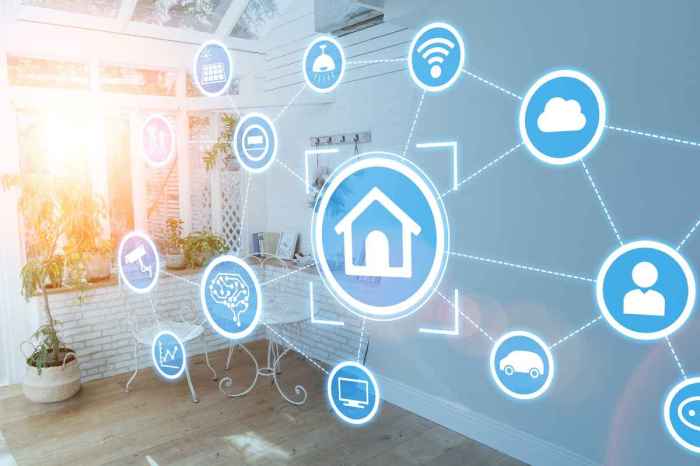
The evolution of home automation systems has been a remarkable journey, transforming from simple remote controls to sophisticated networks that seamlessly integrate with daily life. As technology continues to advance at an unprecedented pace, the potential for home automation systems to further enhance our living environments is immense. This not only reflects on convenience but also highlights a broader shift towards smarter, more efficient homes.The future of home automation systems is bright, driven by advancements in artificial intelligence, machine learning, and the Internet of Things (IoT).
These technologies are set to further revolutionize how we interact with our living spaces, making them more intuitive and responsive to our needs. With the integration of voice assistants, smart devices will become even more accessible, allowing users to control various functions with simple commands. The potential for personalization in home automation is tremendous, enabling systems to learn from our behaviors and preferences, thus optimizing energy usage and enhancing comfort.
Impact of Technological Advancements on Daily Living
Technological advancements have the potential to transform our daily routines significantly. The integration of smart devices can lead to enhanced security, improved energy management, and overall convenience. Here are some key areas where technology will play a crucial role in shaping the future of home automation:
- Enhanced Security: With the rise of smart surveillance systems and doorbell cameras, homeowners can monitor their properties in real time, receiving alerts and live feeds directly to their smartphones. This provides peace of mind and enhances safety.
- Energy Efficiency: Smart thermostats and lighting systems can analyze usage patterns and automatically adjust settings to reduce energy consumption. This not only lowers bills but also contributes to environmental sustainability.
- Convenience and Comfort: Automated systems can streamline household tasks, such as adjusting the thermostat, managing lighting, and even brewing coffee, all tailored to individual schedules and preferences.
- Health Monitoring: Wearable technology and smart home devices can track health metrics and provide data to users, promoting a healthier lifestyle and alerting to potential issues before they escalate.
As these technologies become more integrated into our homes, the way we live will evolve, potentially leading to healthier, more efficient, and more comfortable living environments. The evolution of home automation systems has been marked by significant milestones, each contributing to the current landscape of smart homes. Initially, home automation began with basic systems that allowed for remote control of devices, but it has since progressed into intricate networks that can manage entire households.
The introduction of IoT has been a game-changer, connecting devices and allowing them to communicate with each other, creating a cohesive ecosystem.
“The future of home automation lies in the seamless integration of technologies that will not only enhance convenience but also improve our quality of life.”
In reflecting on this journey, it’s clear that the future holds even more exciting possibilities. As we move forward, the focus will likely shift towards greater interoperability among devices, enhanced user interfaces, and even more sophisticated AI capabilities. This progression will lead to an environment where homes are not just smarter but also more attuned to the emotional and practical needs of the people living in them.
The commitment to innovation in home automation systems suggests a future where our homes will become active participants in our daily lives, anticipating needs and responding in real-time.
Ultimate Conclusion
As we wrap up our journey through the world of home automation, it’s clear that these systems are more than just gadgets; they’re a glimpse into the future of comfortable living. With continuous advancements and innovations, the potential to elevate our home experience is limitless.
Essential FAQs
What are the main benefits of home automation systems?
The main benefits include increased convenience, enhanced security, energy efficiency, and the ability to control your home remotely.
Are home automation systems difficult to install?
Installation can vary; some systems are DIY-friendly, while others may require professional assistance depending on complexity.
Can I integrate existing devices into a new home automation system?
Yes, many home automation systems support integration with existing devices, but compatibility varies, so it’s essential to check beforehand.
How secure are home automation systems?
Security varies; however, ensuring you use strong passwords, regular updates, and secure networks can significantly enhance safety.
What is the future of home automation technology?
The future promises advancements like AI integration, improved connectivity, and smarter ecosystems that will further enhance home automation capabilities.