Smart Grids sets the stage for this enthralling narrative, offering readers a glimpse into a story that is rich in detail and brimming with originality from the outset.
These modern energy systems represent a significant upgrade from traditional grids, integrating advanced technology to improve efficiency and reliability. With innovations like advanced metering infrastructure and real-time data communication, smart grids not only enhance energy distribution but also embrace renewable energy sources, making them a critical component of our sustainable future.
Introduction to Smart Grids
Smart grids represent the next generation of energy distribution systems, integrating digital technology into the traditional electrical grid. This modern approach is essential for optimizing energy efficiency, enhancing the reliability of electricity supply, and fostering sustainable energy practices. As the world increasingly relies on renewable energy sources and advanced technologies, smart grids play a crucial role in managing energy demand and supply effectively.The evolution from traditional electrical grids to smart grids has been driven by significant technological advancements.
Traditional grids primarily relied on one-way communication, where electricity flowed from power plants to consumers without much interaction. In contrast, smart grids enable two-way communication between utilities and consumers, allowing for real-time data exchange. Advanced metering infrastructure, sensors, and automated control systems are vital components of smart grids, facilitating better monitoring and management of energy resources. These innovations not only enhance grid resilience but also empower consumers with greater control over their energy consumption.
Key Benefits of Smart Grid Technology
Adopting smart grid technology brings numerous advantages to both energy providers and consumers. Understanding these benefits is crucial for appreciating the transformative impact of smart grids on the energy landscape. Here are some of the key benefits:
- Enhanced Reliability: Smart grids can quickly identify and isolate faults, minimizing downtime and improving the overall reliability of energy supply.
- Improved Energy Efficiency: With real-time data monitoring, utilities can optimize energy distribution, reducing waste and enhancing overall efficiency.
- Integration of Renewable Energy Sources: Smart grids facilitate the seamless integration of renewable energy sources, such as solar and wind, into the energy mix, promoting sustainability.
- Empowered Consumers: Advanced metering systems provide consumers with insights into their energy usage patterns, enabling them to make informed decisions and reduce their bills.
- Demand Response Capabilities: Smart grids allow for demand response programs that adjust energy consumption during peak periods, helping to balance supply and demand effectively.
“The future of energy lies in our ability to adapt and innovate through smart grid technology.”
Components of Smart Grids
Smart grids consist of various interconnected components that work together to enhance the efficiency, reliability, and sustainability of electrical systems. Understanding these components is crucial for grasping how smart grids operate and the benefits they bring to energy management. The integration of advanced technologies, communication systems, and automation plays a pivotal role in the modernization of the electricity grid.
Main Components of Smart Grids
The components of smart grids can be categorized into several key areas that facilitate improved energy distribution and monitoring. Each of these elements contributes uniquely to the overall functionality of the grid.
- Smart Meters: These devices provide real-time data on energy consumption, allowing both utilities and consumers to track usage patterns and manage energy efficiency effectively.
- Advanced Metering Infrastructure (AMI): AMI is a critical component that enables two-way communication between utilities and consumers. It supports the automated collection of data, remote monitoring, and demand response capabilities.
- Distribution Management Systems (DMS): DMS helps utilities optimize the performance of their distribution networks by providing real-time data analytics and decision-making tools.
- Supervisory Control and Data Acquisition (SCADA): SCADA systems monitor and control the electrical grid, collecting data from various sensors and equipment to ensure smooth operations.
- Energy Storage Systems: These systems, such as batteries, play a vital role in balancing supply and demand, enhancing the grid’s ability to respond to fluctuations in energy production and consumption.
- Renewable Energy Sources: Integrating solar, wind, and other renewable sources into the grid is essential for reducing carbon emissions and promoting sustainable energy use.
Role of Advanced Metering Infrastructure (AMI) in Smart Grids
Advanced Metering Infrastructure (AMI) significantly enhances the capabilities of smart grids by providing a comprehensive framework for data collection and communication. AMI enables utilities to gather detailed information on energy usage patterns in real-time, leading to more informed decision-making and resource management.The functionalities of AMI include:
- Real-Time Monitoring: Utilities can continuously monitor energy consumption, which helps in identifying outages and inefficiencies quickly.
- Dynamic Pricing: AMI allows for the implementation of dynamic pricing models, encouraging consumers to shift their usage to off-peak times and reduce strain on the grid.
- Automated Meter Reading: AMI eliminates the need for manual meter readings, reducing operational costs and errors.
- Consumer Engagement: Through applications linked to AMI, consumers can access their usage data, enabling them to manage their energy consumption better.
Significance of Sensors and Communication Technologies
Sensors and communication technologies are the backbone of smart grid systems, ensuring seamless data transfer and real-time monitoring. These technologies allow for the collection of vast amounts of data from various components of the grid, which is essential for maintaining reliability and efficiency.The importance of sensors and communication technologies in smart grids includes:
- Data Collection: Sensors deployed across the grid monitor various parameters such as voltage, current, and frequency, providing critical insights into grid performance.
- Predictive Maintenance: By analyzing sensor data, utilities can predict potential equipment failures and perform maintenance proactively, reducing downtime and repair costs.
- Enhanced Communication: Communication technologies facilitate two-way interactions between utilities and consumers, allowing for quicker response times and improved customer service.
- Integration of IoT Devices: Internet of Things (IoT) devices interact with the grid, providing additional data streams that enhance operational efficiency and drive innovative solutions.
Smart Grids and Renewable Energy
Smart grids are revolutionizing the way we generate, transmit, and consume energy, particularly through the integration of renewable energy sources. The shift towards cleaner energy alternatives such as solar, wind, and hydroelectric power is made significantly easier with the capabilities offered by smart grid technology. This modern energy framework not only enhances the efficiency of power distribution but also supports a more sustainable energy ecosystem.
The integration of renewable energy sources into the grid poses unique challenges, particularly regarding variability and unpredictability. Smart grids address these challenges by utilizing advanced technologies that allow for real-time monitoring and management of energy resources. This adaptability enables the seamless incorporation of decentralized energy generation, which plays a vital role in the future of energy distribution.
Decentralized Energy Generation
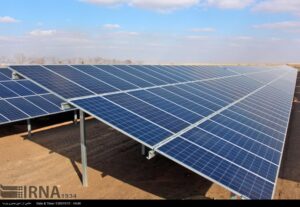
Decentralized energy generation refers to the production of energy at or near the point of use, rather than at a large, centralized facility. This approach is inherently linked with smart grids, which provide the necessary infrastructure to manage diverse energy resources efficiently. Decentralized systems can include residential solar panels, community wind turbines, and biomass generators. The key advantages of this model include increased energy resilience, reduced transmission losses, and enhanced energy security.
Successful smart grid projects around the world showcase the effective integration of renewable energy sources and decentralized generation. For instance, the Los Angeles Department of Water and Power (LADWP) has implemented several initiatives to incorporate solar power into its grid, boosting local renewable energy generation while ensuring grid stability. The city has made significant investments in smart grid technology to monitor electricity flow and manage demand effectively.
Similarly, Germany’s Energiewende, or “energy transition,” serves as a prime example of how smart grids can facilitate a large-scale shift to renewable energy. This initiative emphasizes the development of smart grid infrastructure, enabling the incorporation of vast amounts of renewable energy from wind and solar farms throughout the country.
As smart grids continue to evolve, their role in promoting renewable energy generation will only expand. The combination of intelligent energy management and decentralized production not only contributes to a cleaner environment but also empowers consumers by giving them more control over their energy usage.
Benefits of Smart Grids
The transition to smart grids offers a multitude of benefits that not only enhance energy management but also contribute positively to the environment and economy. These innovative systems integrate advanced technology to streamline electricity distribution and consumption, resulting in a more efficient energy landscape. Understanding these benefits is crucial for consumers, policymakers, and businesses alike.
Environmental Benefits of Smart Grids
Smart grids provide significant environmental advantages that support sustainability efforts. By integrating renewable energy sources, they facilitate reduced greenhouse gas emissions and promote cleaner energy consumption. This transition is essential for combating climate change and preserving ecosystems. Key environmental benefits include:
- Reduction in Carbon Footprint: Smart grids enable the integration of solar, wind, and other renewable energy sources, leading to a marked decrease in reliance on fossil fuels.
- Efficient Energy Distribution: Through advanced monitoring and control technologies, smart grids minimize energy loss during transmission, which contributes to lower overall energy demand.
- Support for Electric Vehicles: Smart grids can efficiently manage charging infrastructure for electric vehicles, encouraging their adoption and further reducing emissions.
Enhanced Energy Efficiency and Cost Reduction
Smart grids play a pivotal role in enhancing energy efficiency, which ultimately leads to substantial cost savings for consumers. By optimizing energy usage and enabling real-time monitoring, they provide consumers with tools to manage their energy consumption effectively. The following factors contribute to these benefits:
- Dynamically Adjusted Pricing: Smart grids introduce time-based pricing models that encourage consumers to use energy during off-peak hours, resulting in lower electricity bills.
- Increased Awareness: Through smart meters and apps, consumers receive real-time data about their energy usage, empowering them to make informed decisions and reduce unnecessary consumption.
- Automated Outage Management: Smart grids can quickly identify and isolate outages, minimizing downtime and associated costs for both providers and consumers.
Improved Reliability and Resilience of Energy Supply
The reliability and resilience of energy supply are enhanced significantly through the adoption of smart grids. These systems incorporate advanced technologies to anticipate and respond to energy demands and disruptions. The advantages include:
- Real-time Monitoring: Smart grids offer continuous monitoring of the energy supply chain, allowing for rapid identification of issues before they escalate into larger problems.
- Decentralized Energy Generation: By enabling localized energy generation, smart grids reduce the risk of widespread outages and create a more resilient energy infrastructure.
- Disaster Recovery: The adaptive nature of smart grids supports quicker recovery from natural disasters or other catastrophic events, ensuring a more stable energy supply for affected areas.
Challenges in Implementing Smart Grids
The transition to smart grids is filled with exciting opportunities, but it also comes with its fair share of challenges. Understanding these hurdles is crucial for stakeholders involved in the development and implementation of smart grid technology. The challenges range from technical and regulatory issues to financial considerations and public perception, all of which play significant roles in the successful deployment of smart grids.
Technical and Regulatory Challenges
The integration of smart grid technologies is not straightforward and involves numerous technical and regulatory hurdles. These challenges can hinder the efficiency and effectiveness of smart grid systems.
- Interoperability: Ensuring different components of the smart grid can communicate effectively is essential. Various manufacturers produce equipment that may not be compatible, leading to integration difficulties.
- Data Security: With increased connectivity comes the risk of cyberattacks. Protecting sensitive consumer data and grid operations is a significant concern that needs robust cybersecurity measures.
- Regulatory Frameworks: The existing regulations often lag behind technological advancements. Policymakers must update laws to facilitate the adoption of smart grid technologies while maintaining grid reliability and consumer protection.
- Infrastructure Upgrades: Many regions require substantial upgrades to existing infrastructure to accommodate smart grid technology. This includes replacing outdated infrastructure and ensuring it can support advanced functionalities.
Financial Considerations and Investments
The financial landscape surrounding smart grids is complex and requires careful planning and investment. Understanding the costs involved is essential for successful implementation.
- Initial Capital Investment: The upfront costs for smart grid projects can be substantial, often running into billions of dollars. Utilities and governments need to assess funding sources, including public-private partnerships and government grants.
- Return on Investment (ROI): While smart grids can lead to long-term savings through efficiency and reduced operational costs, the time it takes to recoup initial investments is a significant consideration for investors.
- Operational Costs: Transitioning to a smart grid may increase short-term operational costs. Utilities must manage these effectively to maintain profitability during the transition.
Public Perception and Acceptance
Public acceptance of smart grid technology plays a vital role in its successful implementation. Misunderstandings and concerns can significantly impact the effectiveness of smart grid projects.
- Concerns Over Privacy: Many consumers are apprehensive about data privacy issues. Clear communication about how data will be used and protected is vital for alleviating these concerns.
- Perceived Reliability: There may be skepticism regarding the reliability of smart grid systems compared to traditional grids. Demonstrating the technology’s benefits and reliability through pilot projects can help build trust.
- Awareness and Education: Informing the public about the advantages of smart grids, such as improved energy efficiency and reduced outages, is necessary to gain acceptance and support for these initiatives.
“Building public trust in smart grid technology is essential for its widespread adoption and success.”
Future Trends in Smart Grid Technology
The evolution of smart grid technology is set to redefine how energy is managed, distributed, and consumed in the coming years. As the world increasingly embraces cleaner energy solutions, technological advancements are poised to enhance the efficiency, reliability, and sustainability of power systems. This section delves into future trends that will shape the smart grid landscape, emphasizing the role of artificial intelligence and machine learning.
Technological Advancements in Smart Grids
Several innovative technologies are on the horizon that will significantly enhance smart grid capabilities. These advancements focus on improving energy management, enabling better integration of renewable resources, and optimizing distribution networks. Key trends include:
- Internet of Things (IoT): The proliferation of IoT devices will facilitate real-time data collection and analytics, allowing for smarter decision-making in energy management.
- Blockchain Technology: This technology can enhance transparency and security in energy transactions, enabling peer-to-peer energy trading and decentralized energy markets.
- Energy Storage Solutions: Advances in battery technology, including solid-state and flow batteries, will enable more effective storage of renewable energy, balancing supply and demand.
- Advanced Metering Infrastructure (AMI): Smart meters will evolve to provide more granular data on energy consumption, leading to improved demand response and energy efficiency programs.
Impact of Artificial Intelligence and Machine Learning
Artificial intelligence (AI) and machine learning (ML) are set to revolutionize smart grids by enhancing operational efficiency and decision-making processes. These technologies will play a critical role in predictive analytics, fault detection, and grid optimization. For instance:
- Predictive Maintenance: AI algorithms can predict potential failures in grid components, enabling proactive maintenance and reducing downtime.
- Demand Forecasting: Machine learning models can analyze consumption patterns and weather data to forecast demand accurately, facilitating better load management.
- Dynamic Pricing: AI can optimize energy pricing based on real-time demand and supply, encouraging consumers to shift their usage to off-peak times.
Future Landscape of Energy Distribution
As smart grid systems become more sophisticated, the future of energy distribution is likely to be characterized by greater decentralization and resilience. The integration of distributed energy resources (DERs), like solar panels and wind turbines, will transform traditional energy models. Key predictions include:
- Decentralized Energy Systems: Local energy generation will increase, reducing reliance on centralized power plants and enhancing energy security.
- Smart Energy Communities: Neighborhoods may develop localized energy systems, promoting energy independence and sustainability.
- Greater Consumer Engagement: Consumers will have more control over their energy choices, participating in demand response and energy trading markets.
- Resilient Infrastructure: Smart grids will incorporate advanced technologies that enable self-healing capabilities, minimizing outages and enhancing reliability.
“The future of energy distribution will not only be smarter but also more resilient, sustainable, and user-centric.”
Case Studies of Smart Grid Implementation
The implementation of smart grids around the world has led to transformative changes in energy management, efficiency, and consumer engagement. Various regions have embraced this technology, yielding successful case studies that illuminate the advantages and challenges of smart grid systems. These real-world examples not only showcase the practical applications of smart grids but also provide valuable lessons that can guide future projects.
Smart Grid Implementation in California, USA
California has been at the forefront of smart grid technology in the United States, particularly through its Smart Grid Investment Grant Program. This initiative aimed to modernize the state’s electric grid and improve reliability, efficiency, and sustainability. Key projects included the installation of advanced metering infrastructure (AMI) and demand response programs.The implementation resulted in significant improvements, including:
- More than 90% of residents being equipped with smart meters, allowing for real-time energy usage monitoring.
- A reduction of peak demand by 15% through demand response programs, which incentivized consumers to shift usage during high-demand periods.
- Increased integration of renewable energy sources, contributing to over 30% of the state’s electricity generation.
These initiatives have demonstrated how smart grids can enhance energy reliability and sustainability, serving as a model for other regions.
Smart Grid Pilot Project in Amsterdam, Netherlands
The Amsterdam Smart City initiative represents a collaborative effort among the city, energy companies, and technology providers to develop a smart grid capable of integrating renewable energies. This project focuses on creating a digital energy network that facilitates efficient energy distribution and consumption.Key elements of the project included:
- Implementation of a city-wide fiber optic network to enhance communication between energy producers and consumers.
- Deployment of smart streetlights and energy management systems that adjust lighting based on real-time data.
- Engagement of residents through user-friendly applications that provide insights on energy consumption and savings.
As a result, Amsterdam has seen a 12% decrease in energy consumption in pilot neighborhoods, showcasing the effectiveness of smart grid technology in urban settings.
Smart Grid Development in South Korea
South Korea has invested heavily in smart grid technologies, particularly in Jeju Island, which serves as a testbed for innovative energy solutions. The Jeju Smart Grid Test-Bed Project aims to promote renewable energy while enhancing energy efficiency across the island.This project highlights:
- The integration of solar panels and wind turbines, generating over 80% of the island’s energy from renewable sources.
- Smart appliances and home energy management systems enabling consumers to monitor and control energy usage.
- A microgrid system that enhances energy resilience and reliability, providing power during outages.
The success of the Jeju project indicates significant potential for smart grids to facilitate the transition to renewable energy systems.
Lessons Learned from Global Smart Grid Implementations
Analyzing successful smart grid projects provides crucial insights for future implementations. Notable lessons include:
- Effective stakeholder engagement is essential for the success of smart grid initiatives, ensuring that all parties understand the benefits and contribute to the project’s goals.
- Investing in robust communication infrastructure is critical to facilitate real-time data exchange and energy management.
- Adopting a phased approach to implementation allows for adjustments based on initial feedback and outcomes, minimizing risks.
These lessons emphasize the importance of planning and community involvement in realizing the full potential of smart grid technology.
Statistics Supporting Smart Grid Effectiveness
Data from various smart grid implementations highlights their effectiveness in enhancing energy systems. For instance:
- A study from the U.S. Department of Energy found that smart grid technologies could reduce electricity costs by 20% for consumers.
- Research from the International Energy Agency (IEA) indicates that smart grids could reduce greenhouse gas emissions by up to 25% by facilitating increased reliance on renewable energy sources.
- In California, smart grid investments have led to estimated savings of $2.6 billion over a 20-year period due to reduced outage costs and improved operational efficiencies.
These statistics reinforce the critical role of smart grids in creating sustainable and efficient energy systems worldwide.
Concluding Remarks

In summary, smart grids are transforming the energy landscape, providing numerous environmental, economic, and technical benefits. As we look ahead, the challenges of implementation must be navigated carefully, yet the potential for advanced technologies like AI promises to further enhance these systems, paving the way for a more resilient and efficient energy future.
Detailed FAQs
What exactly is a smart grid?
A smart grid is an upgraded electrical grid that uses digital technology to monitor and manage the transport of electricity from all generation sources to meet the varying electricity demands of end-users.
How do smart grids benefit consumers?
Smart grids enhance energy efficiency, reduce costs through better management of electricity usage, and provide real-time data to consumers, allowing for more informed energy choices.
What role does renewable energy play in smart grids?
Smart grids facilitate the integration of renewable energy sources like solar and wind power, enabling decentralized energy generation and improving sustainability.
Are there any challenges to implementing smart grids?
Yes, challenges include technical and regulatory hurdles, financial investments, and public perception issues that need to be addressed for effective implementation.
What future innovations can we expect in smart grids?
Future innovations may include advancements in artificial intelligence and machine learning that optimize energy distribution, enhance reliability, and improve overall grid management.